说那么难过干吗呀
“Why are you making it sound so sad?”
THE DIALOGUE REEL
还以为 以后再也看不见了
“I thought I'd never see them again.”
说 那么 难过 干吗呀
“Why are you making it sound so sad?”
你看啊 这个大雄宝殿呢
“Look, this Mahavira Hall is”
“Don't ruin this good moment by being gloomy; we are together right now.”
Chinese speakers often dispel somber moods or unlucky talk by gently telling companions not to dwell on worst-case scenarios, preferring cheerful harmony.
LEARNING CHUNKS & PARTICLES
why; what for
A highly colloquial spoken rhetorical question used to dissuade or gently complain about someone's attitude or behavior.
speak so sorrowfully; talk in such a depressing way
Commonly used to point out that someone is being overly dramatic or melancholic in conversation.
Softens the rhetorical question into a warm, gentle dissuasion rather than an aggressive reprimand.
VOCABULARY & EXPRESSIONS
Parallel Spoken Cinema Scenes (语义近邻切片)

“Am I sad?”

“In addition to being sad, what else can I do?”
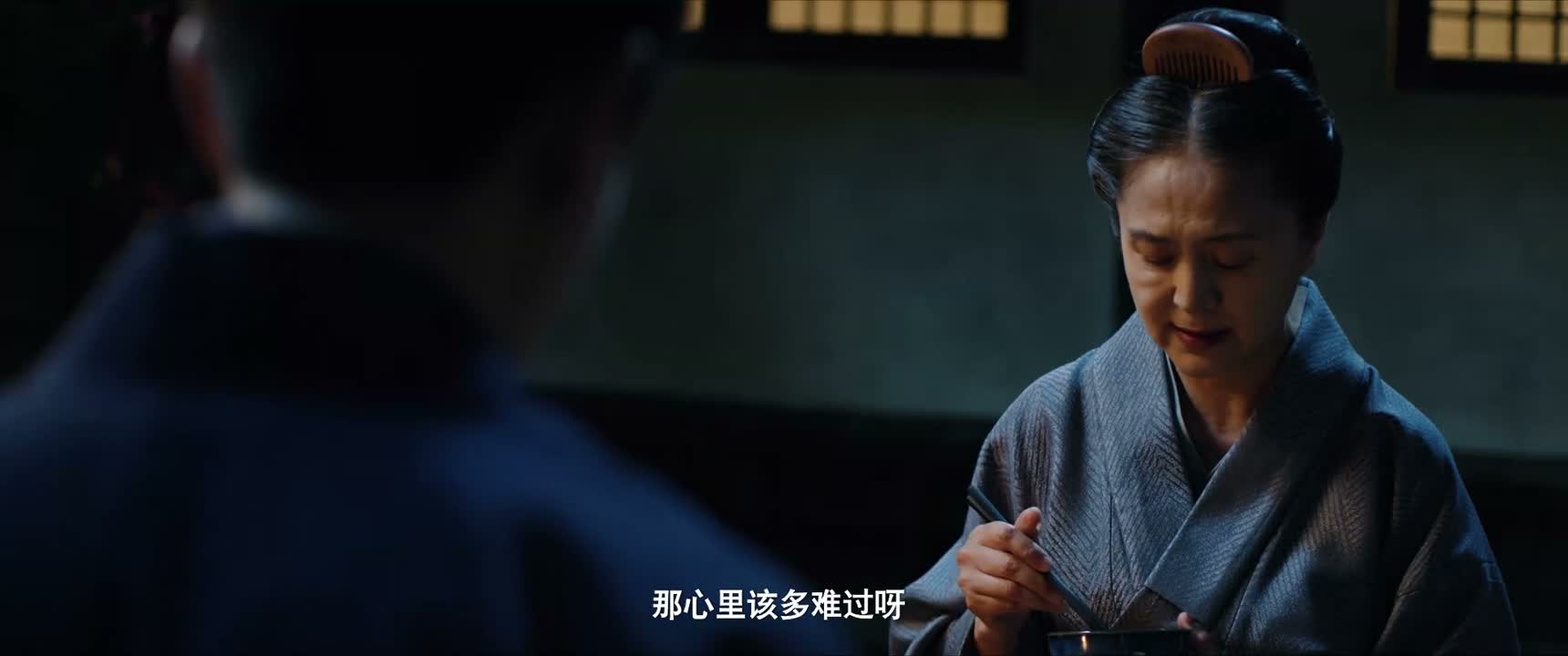
“How heartbreaking that would be.”

“It's okay to be sad.”

“I'm so upset.”

“I'm so sad.”