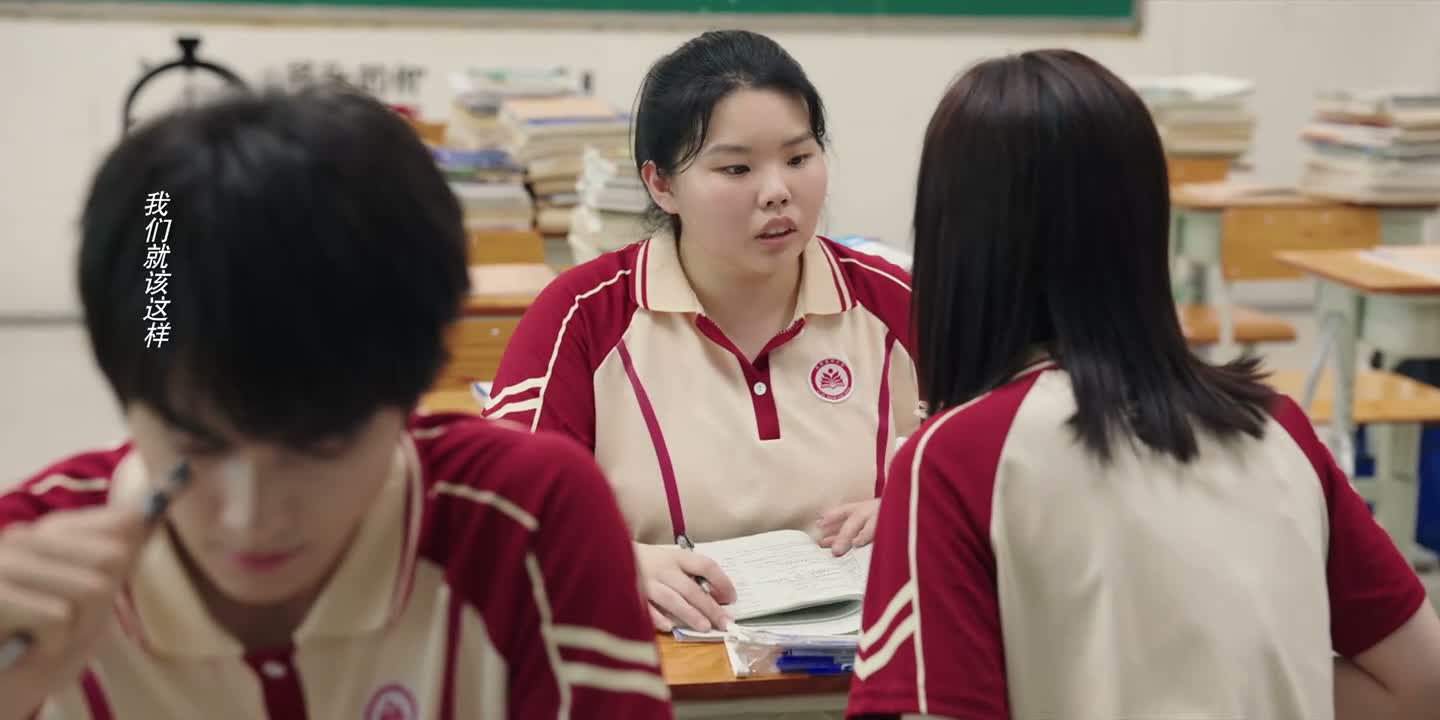
《Mama Go!》 S1·E13 (08:01)
HSK 3
jiù zhè ge ā yí néng bù néng bié zài jiào le
就这个阿姨能不能别再叫了
“Can you stop calling me Auntie?”
《Mama Go!》
S1·E13
TIMECODE: 08:01
·
1080P MASTER AUDIO
THE DIALOGUE REEL
[-1] PREVIOUS TURN
yǒu
有
“Yes.”
jiù zhè ge ā yí néng bù néng bié zài jiào le
CURRENT FOCUS
就这个 阿姨 能不能别 再 叫 了
“Can you stop calling me Auntie?”
[+1] FOLLOW-UP TURN
wǒ zhè tīng zhe shí zài shì tài biè niǔ le
“It sounds really awkward to me.”
Subtitles synced to millisecond timecode
Browse Show Clips →
Scene:
Daily Life
Function:
MAKING A PLEA
Tone:
PLEADING AND EXASPERATED
Emotion:
ANNOYANCE
WHAT THEY REALLY MEAN (PRAGMATIC SUBTEXT)
“Stop calling me Auntie, it makes me sound so old and it's super awkward!”
💡 Cultural Insight: Sensitivities Around Kinship Terms (阿姨)
In contemporary Chinese culture, being addressed as 'Auntie' (阿姨) by young adults can trigger age anxiety, as it marks a woman as middle-aged.
INTENT TAGS:
#plea
#boundary_setting
#correcting_address
#expressing_discomfort
🧩
2 CHUNKS · 1 PARTICLES
LEARNING CHUNKS & PARTICLES
能不能别再
SPOKEN CHUNK
could you please stop doing...
A common spoken formula used to urge someone to discontinue an irritating action.
叫了
SPOKEN CHUNK
calling/addressing anymore
Refers to calling someone by a specific title or name, combined with 'le' indicating cessation.
Modal Particle「了」 (le)
CHANGE OF STATE
Marks the cessation of an ongoing action when paired with '别再' (stop doing).
🏮
2 EXPR · 11 GRAMMAR
VOCABULARY & EXPRESSIONS
CROSS-CINEMA CORPUS BOARD · PARALLEL SCENES
EXPLORE BY SEMANTIC SIMILARITY
Parallel Spoken Cinema Scenes (语义近邻切片)
《Mama Go!》 S1·E13 (08:01) · Authentic Cinema Dialogue Corpus