你以后能不能常来落英谷啊
“can you come here often?”
THE DIALOGUE REEL
常哥哥
“Ning,”
你 以后 能不能 常来 落英谷 啊
“can you come here often?”
我好喜欢你哦
“I like you so much!”
“I want to see you all the time because I have fallen for you.”
Young women in romance often use softened modal endings like '啊' to make requests sound cute and affectionate rather than demanding.
LEARNING CHUNKS & PARTICLES
can you / could you possibly
A gentle, polite, or wheedling way to frame a request in spoken Chinese.
come often / visit frequently
Commonly used in both hospitable social invitations and intimate requests.
Softens the interrogative sentence, turning a direct question into a sweet, pleading request.
VOCABULARY & EXPRESSIONS
Parallel Spoken Cinema Scenes (语义近邻切片)
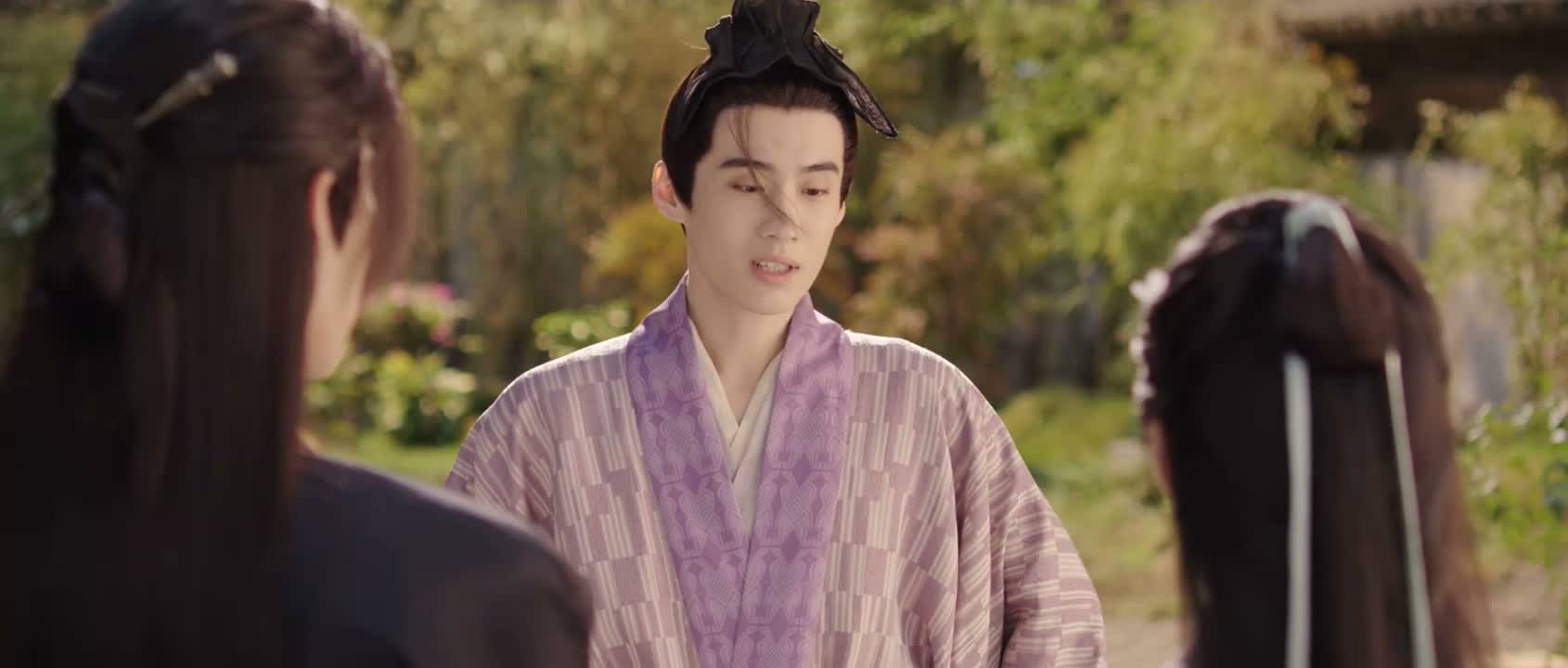
“Once I got here, I heard”

“Luoying Valley is best for recovery.”

“When you return to Luoying Valley,”
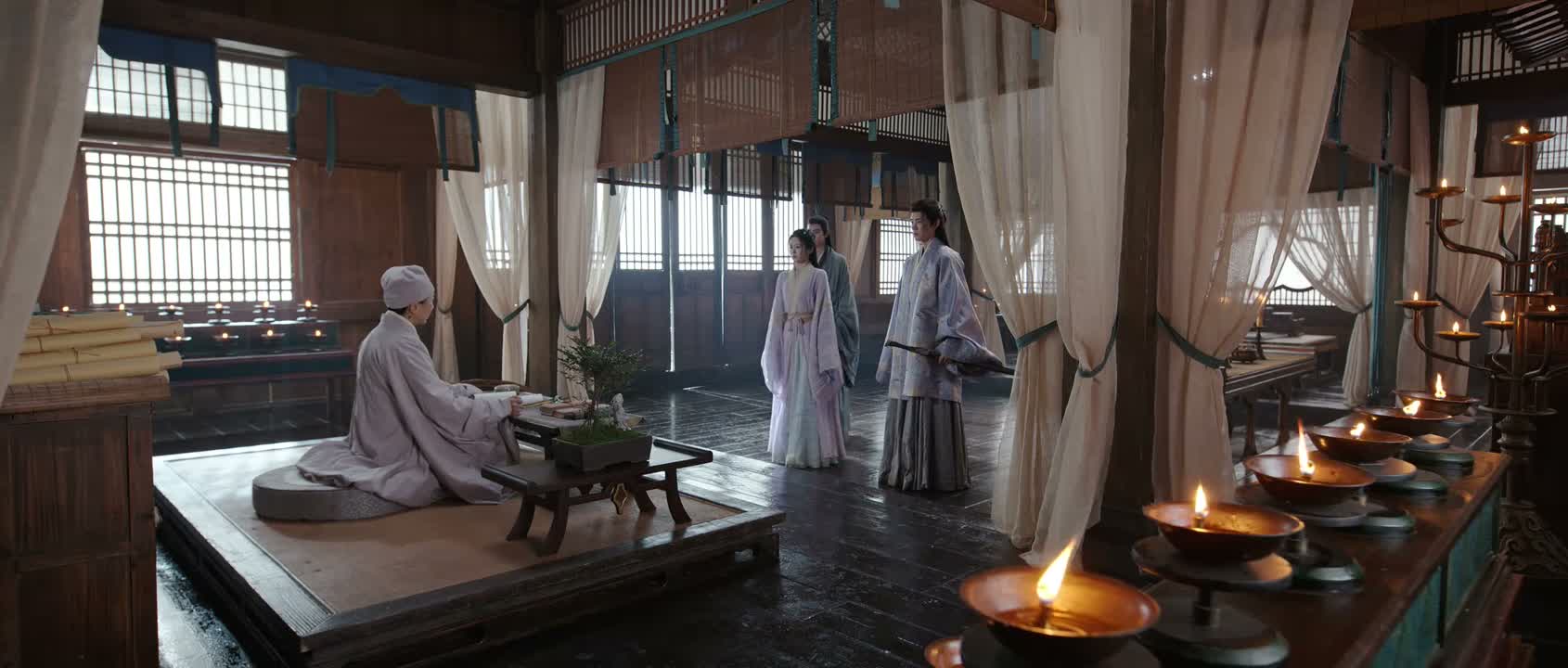
“You should reflect in Luoying Valley.”

“Even if Luoying Valley has always acted freely,”

“was saved by Luoying Valley's ancestor,”