常来
cháng láiCommon spoken expression used by native Chinese speakers in daily life.
[Scene: 社交聚会]
(9 clips)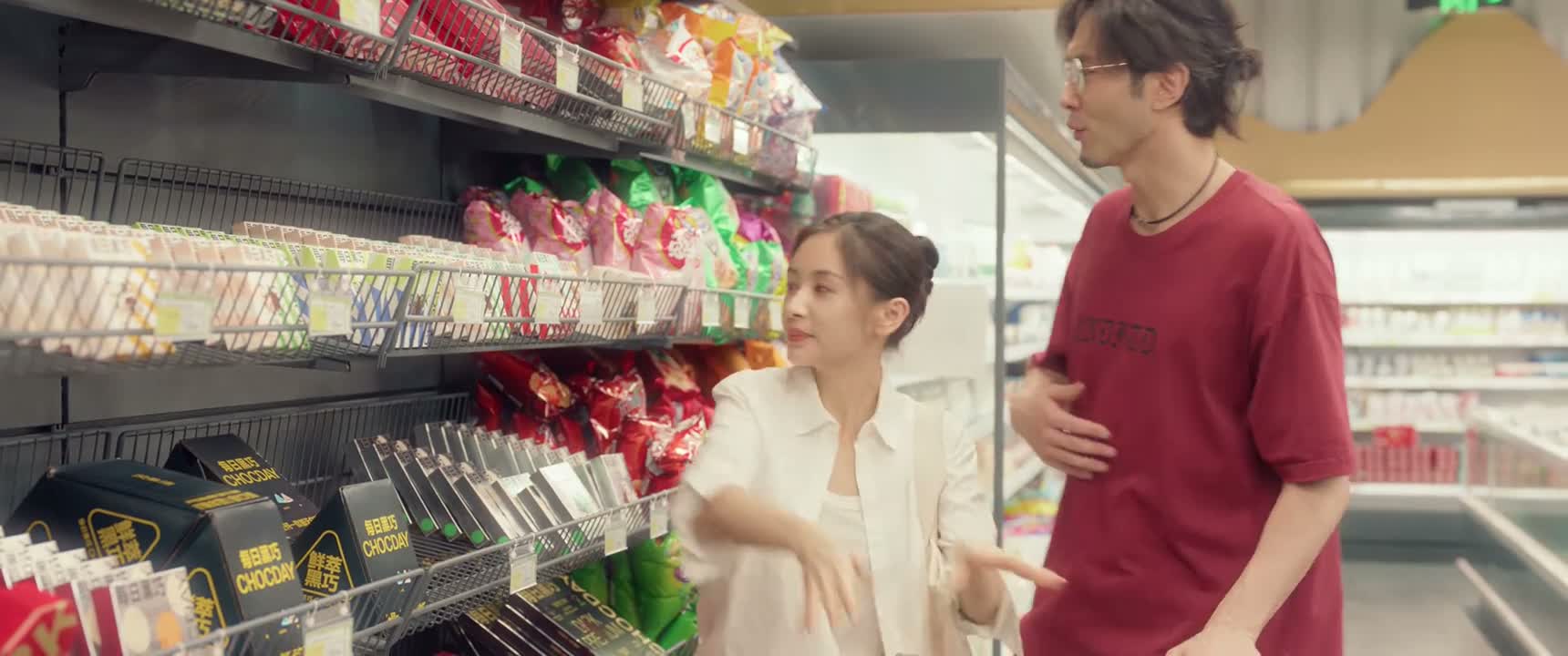 00:03
(太不像话了) ── Previous context
“It's just normal interaction with a friend of the opposite sex.”
 00:03
 00:02
 00:02
 00:02
 00:02
 00:02
 00:03
(一个月的负能量都抵消了) ── Previous context
“A good place. Come here often if you're in a bad mood next time.”
 00:02
(多谢夫人) ── Previous context
“During our stay in the capital, we'll pay regular visits to you.”
[Scene: 餐饮美食]
(7 clips) 00:03
(吃得惯 可好吃了 我刚刚没想那么多 这正好) ── Previous context
“to be the restaurant where I often met clients before.”
 00:02
 00:03
(那改天 我们要切磋切磋喽 一定) ── Previous context
“♪ I hope you still believe ♪ Nice to make your acquaintance today. ♪ Beautiful scenes and happy times are not far away ♪ This meal is on me. Do come more often, guys.”
 00:02
(拌的黄瓜都跟别的地 不是一个味 好吃) ── Previous context
“If you like, come here often. Make yourself at home.”
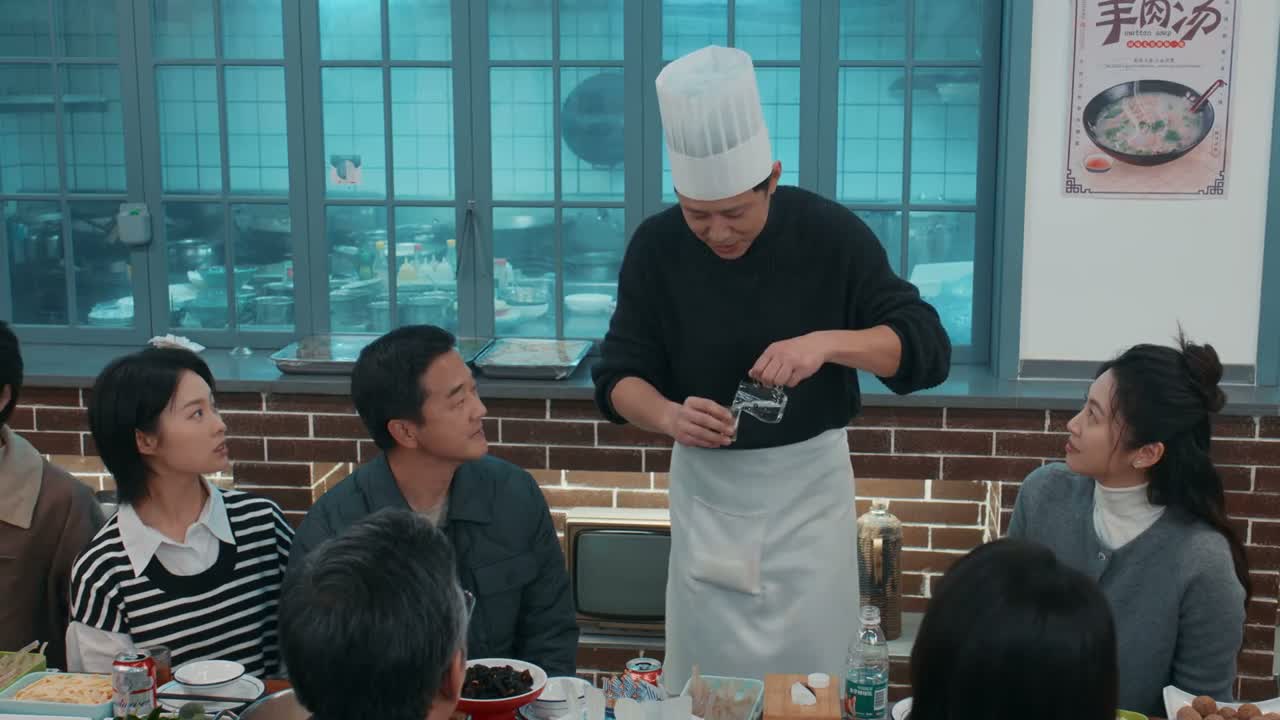 00:03
 00:02
 00:02
(我奶奶走了以后 很少吃到 这么好吃的饺子了) ── Previous context
“If you like them, you should come often.”
[Scene: 家庭日常]
(4 clips) 00:03
(谢谢阿姨) ── Previous context
“You're welcome. If you like it, I will come more often”
 00:03
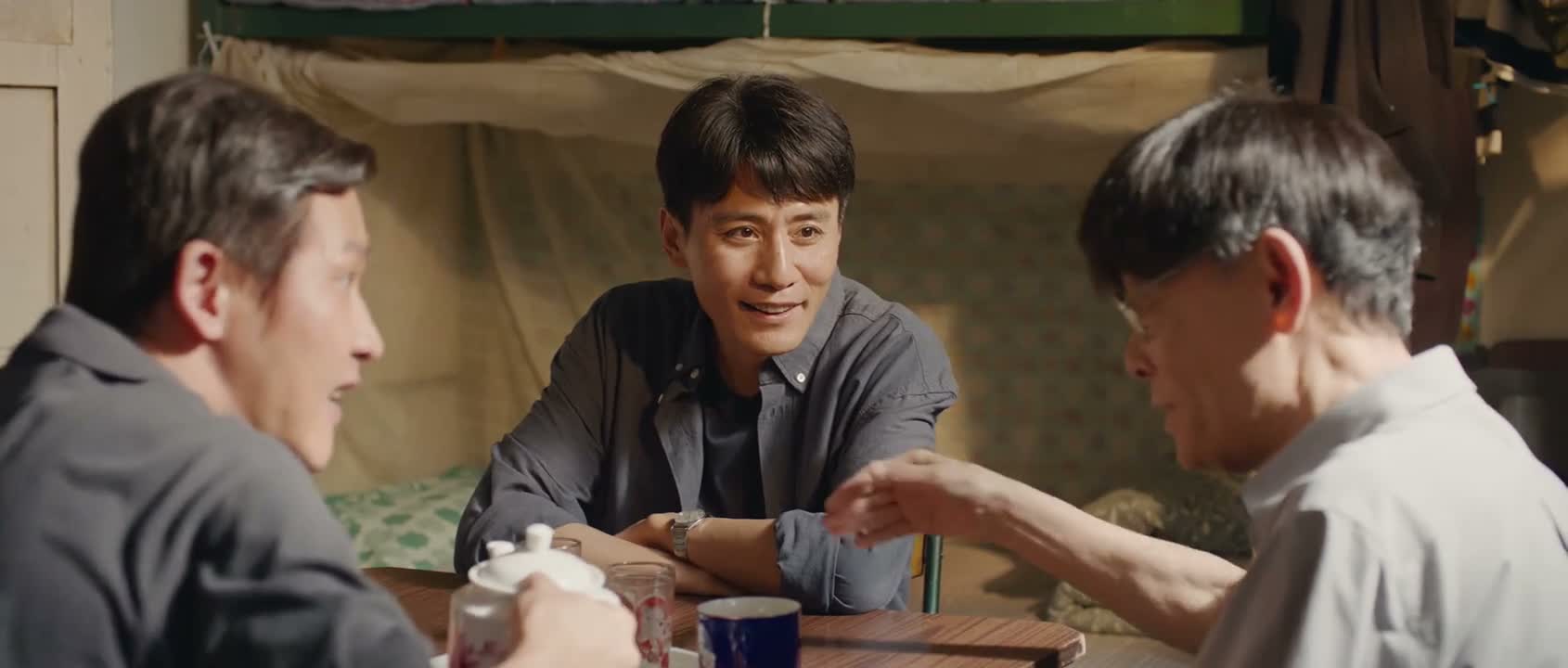 00:02
 00:02
(我这不是刚好换新工作吗 也得换一个上档次的地方) ── Previous context
“I have clients coming by all the time. It looks better this way.”
[Scene: 其他场景]
(3 clips) 00:02
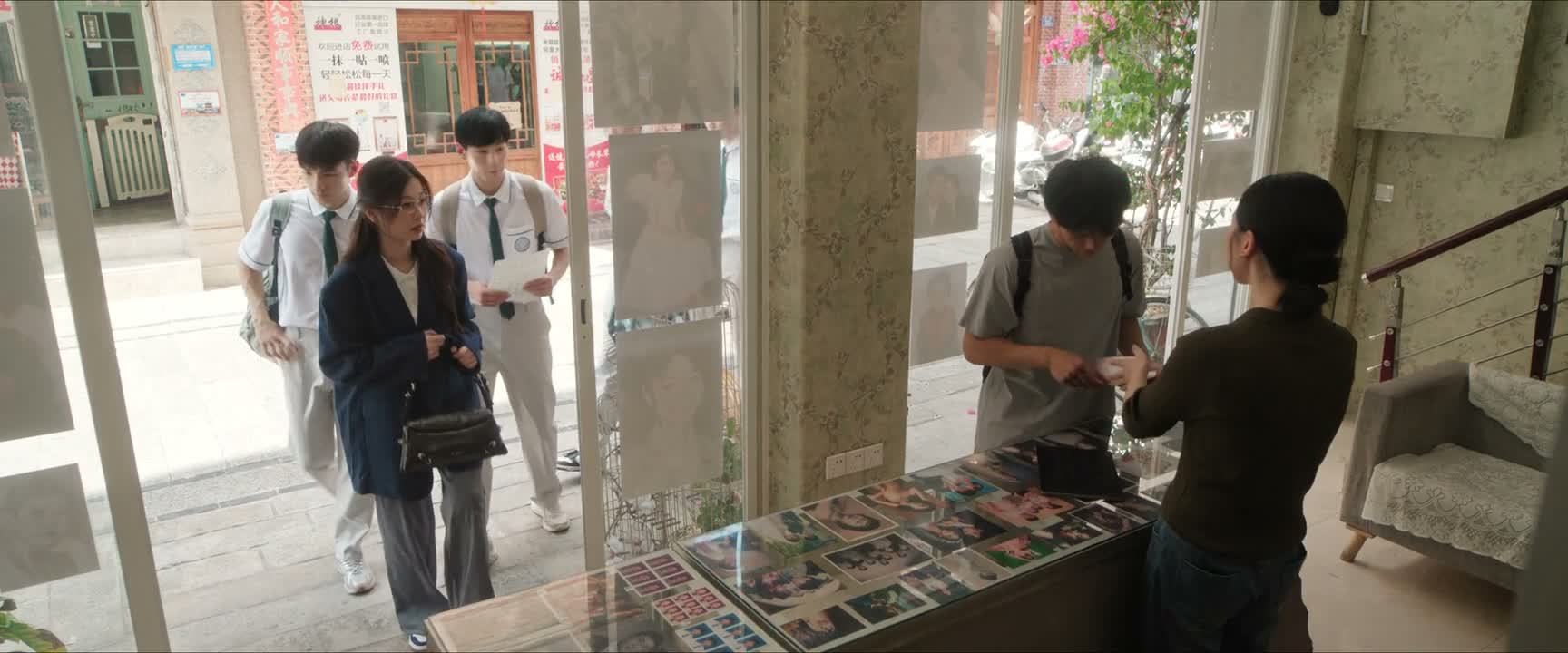 00:02
 00:02
[Scene: 历史宫廷]
(3 clips) 00:02
 00:03
(你生意很火呀) ── Previous context
“Even those from the Three Judicial Offices come here often.”
 00:02
[Scene: 商务沟通]
(2 clips) 00:02
(请问这绣红楼是卖丝绸还是绣品? 是绣楼) ── Previous context
“But you don't come to this ward often, do you?”
 00:02
[Scene: 警匪刑侦]
(1 clips) 00:02
(市公安局的) ── Previous context
“Yes. He often comes to buy cigarettes. When did he buy cigarettes from you last time?”
[Scene: 职场工作]
(1 clips) 00:02
(构思的时候 我激动得整晚都睡不着) ── Previous context
“Bro, please come to our studio a lot in the future.”
📌 没事
→Nuance: 同为送客客套送别用语
📌 好嘞
→Nuance: 好吃/喜欢吃就常来,意图完全一致
📌 怎么办
→Nuance: 同向近义词根配对: [以后 ↔ 之后]
📌 爱吃就常来
→Nuance: 对长辈的客气委婉表达变体
📌 爱吃就常来
→Nuance: 同向近义词根配对: [喜欢 ↔ 爱]
📌 当自己家
→Nuance: 对长辈的客气委婉表达变体
📌 当自己家
→Nuance: 同为长辈热情待客客套话
📌 好吃
→Nuance: 好吃/喜欢吃就常来,意图完全一致