人小名都能让柏庶靠 我咋就不能靠你一下了
“Xiaoming lets Bai Shu do it. Why not me?”
THE DIALOGUE REEL
我靠你一下咋的了
“Why can't I lean on you?”
人 小名 都能让柏庶靠 我咋 就不能 靠你一下 了
“Xiaoming lets Bai Shu do it. Why not me?”
什么玩意
“What the heck?”
“Don't be so stingy; let me lean on you like couples normally do.”
In informal Chinese romantic dynamics, partners often use rhetorical comparisons and feigned indignation to initiate affectionate physical contact.
LEARNING CHUNKS & PARTICLES
why on earth can't I
A colloquial northern rhetorical pattern used to express mild protest or challenge an unfair restriction.
lean on you for a moment
Used informally to request or describe briefly resting physically against someone.
Functions modally to add a touch of playful rhetorical challenge at the end of the question.
VOCABULARY & EXPRESSIONS
Parallel Spoken Cinema Scenes (语义近邻切片)

“that she doesn't rely on you, Young Master Du.”
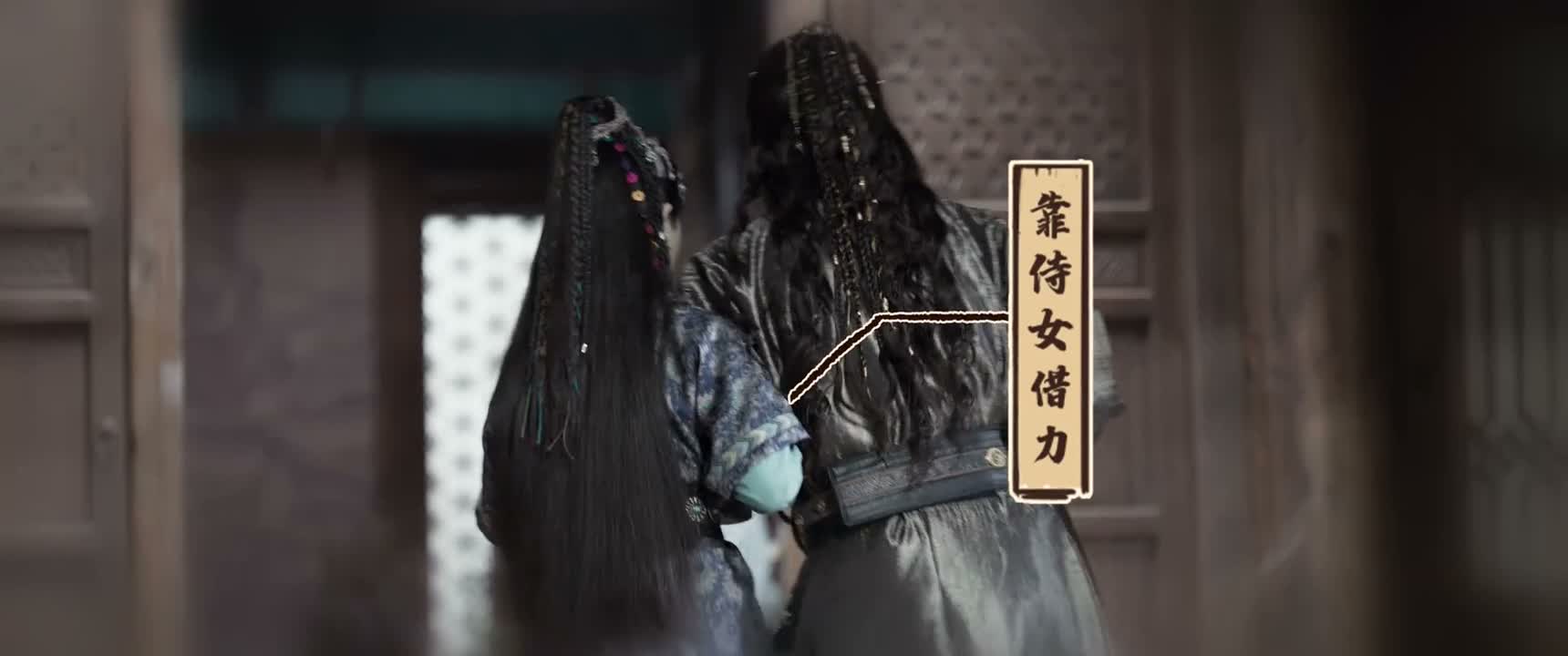
“(Leaning on his maid) He was relying on that maid to support his weight.”

“Just for a bit. Come on. You go stay over there.”

“Well, I have you to thank for that.”

“How are you going to stop me?”

“We're already short-handed. Now we've got thirty more mouths.”