我想你也应该 很想知道真相吧
“I suppose you'd really like to know the truth too, right?”
THE DIALOGUE REEL
“it indicates that you two were quite close.”
我 想你 也 应该 很想知道 真相 吧
“I suppose you'd really like to know the truth too, right?”
那就请告诉我们
“So please tell us who exactly she is.”
“You want answers just as much as I do, so let's cooperate.”
Formulating an assumption with '应该...吧' nudges the listener toward an implicit consensus without provoking direct defensiveness.
LEARNING CHUNKS & PARTICLES
know the truth; find out what really happened
Commonly used in serious, investigative, or dramatic contexts where hidden facts are at stake.
Used to seek confirmation or soften an assumption, nudging the other person to agree.
VOCABULARY & EXPRESSIONS
Parallel Spoken Cinema Scenes (语义近邻切片)
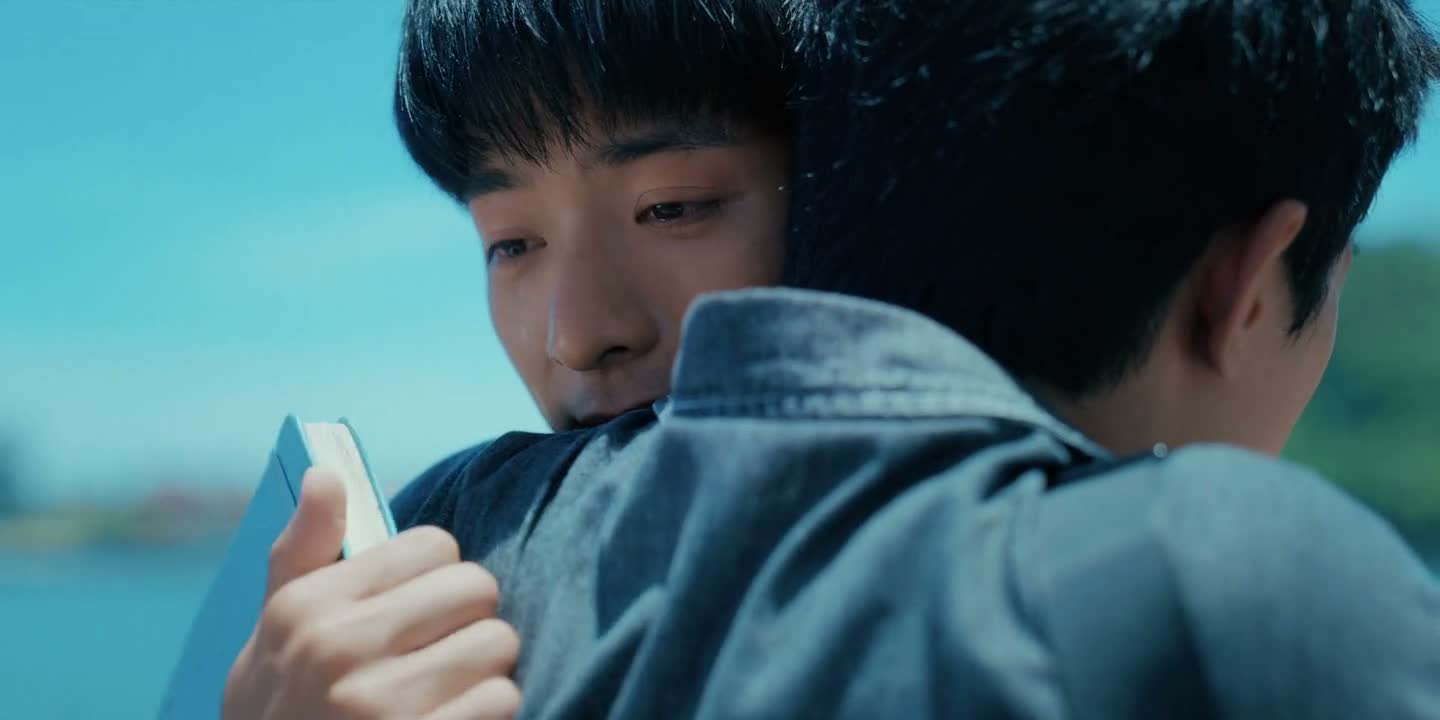
“I should've believed you...”

“I think you already know the answer.”

“Now that the truth is out, what do you plan to do?”
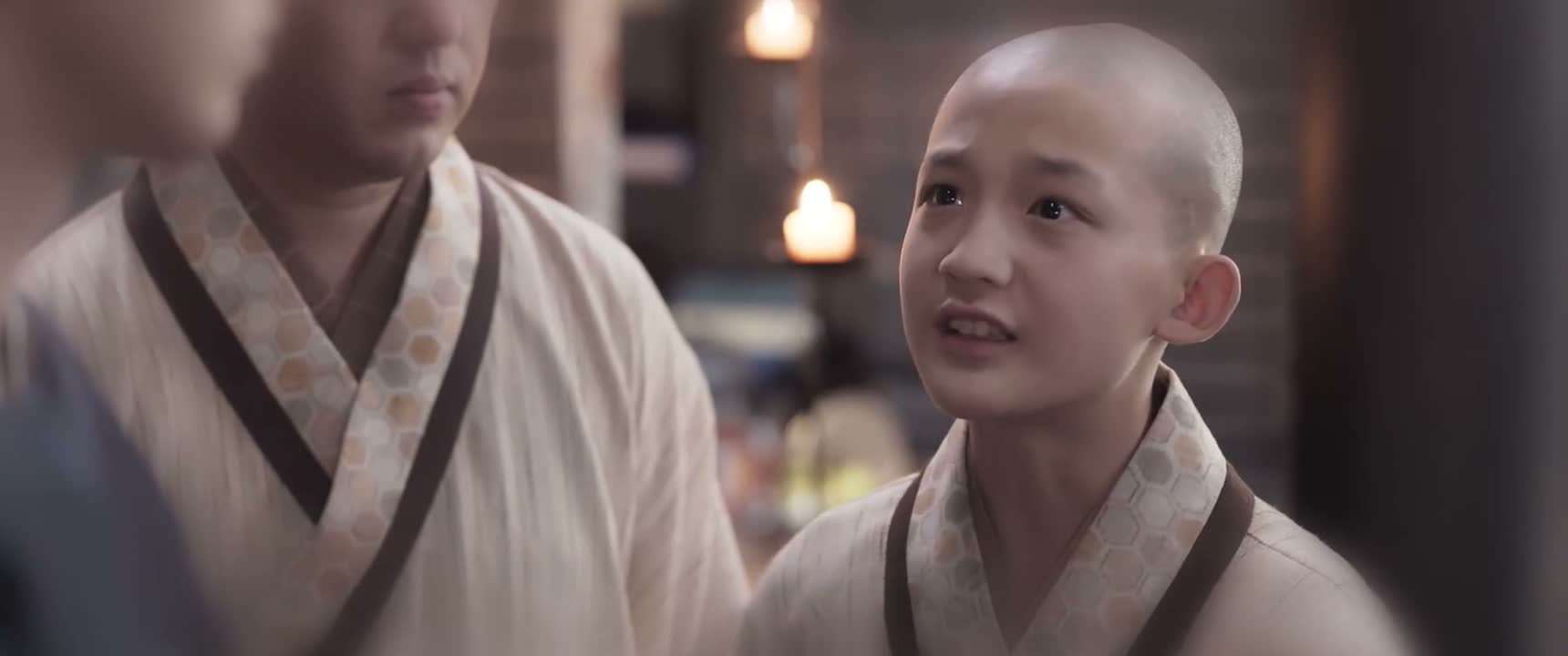
“I did allow you to investigate the case.”
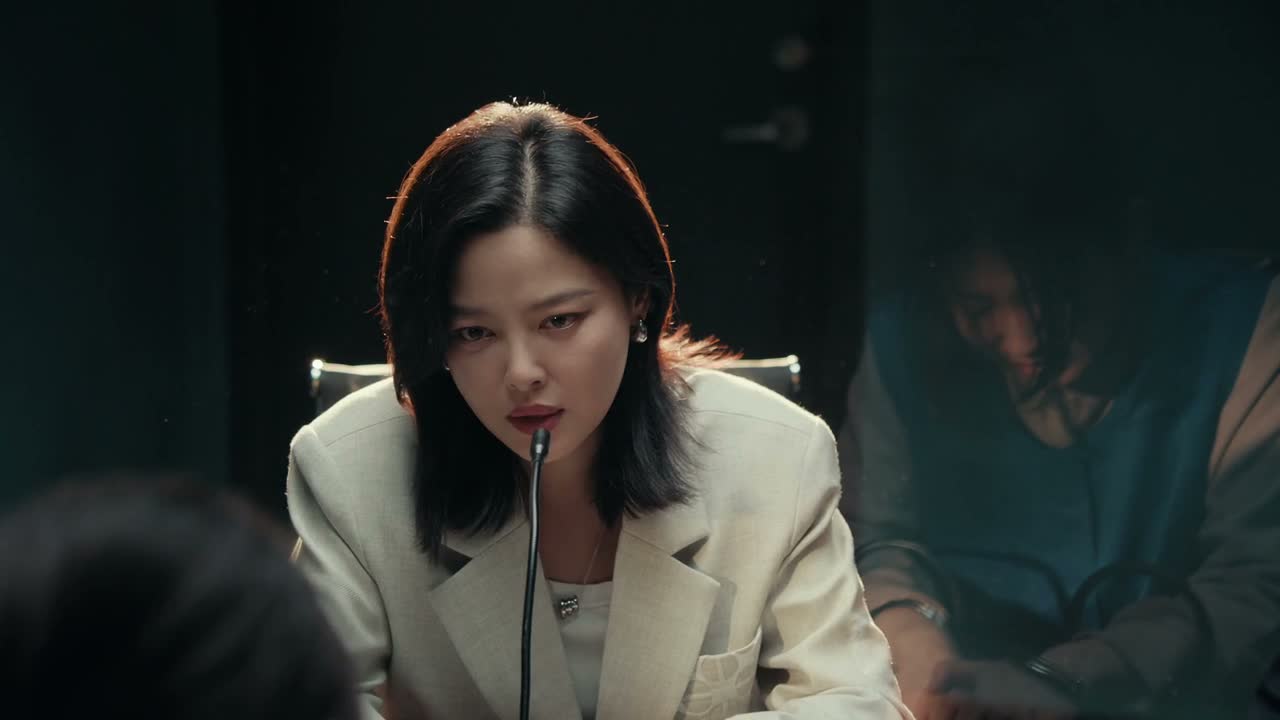
“Right now, the truth is what's best”

“I believe you know the answer.”