吓死妈妈了 妈妈不是跟你说过吗
“You scared me. Haven't I told you?”
THE DIALOGUE REEL
“Dongdong, why did you come here?”
吓死 妈妈了 妈妈 不是跟你说过 吗
“You scared me. Haven't I told you?”
不可以离开妈妈的视线
“Don't get out my sight.”
“I was terrified that you were lost; please never wander off like that again!”
Chinese parents frequently refer to themselves in the third person ('Mommy', 'Daddy') when talking to young children to reinforce relational roles and emotional warmth.
LEARNING CHUNKS & PARTICLES
scared someone to death
A highly common spoken hyperbole used to express shock, fright, or intense relief after a scare.
didn't I tell you before?
A rhetorical reprimand used by authority figures or caregivers to remind someone of a broken rule.
Marks an emotional completion or intense change of state in the speaker's fright.
Turns the statement into a rhetorical question demanding acknowledgment of past instructions.
VOCABULARY & EXPRESSIONS
Parallel Spoken Cinema Scenes (语义近邻切片)

“You scared me to death. I thought my mom suddenly came back.”

“You scared me to death. I thought you mistook her for your mother.”
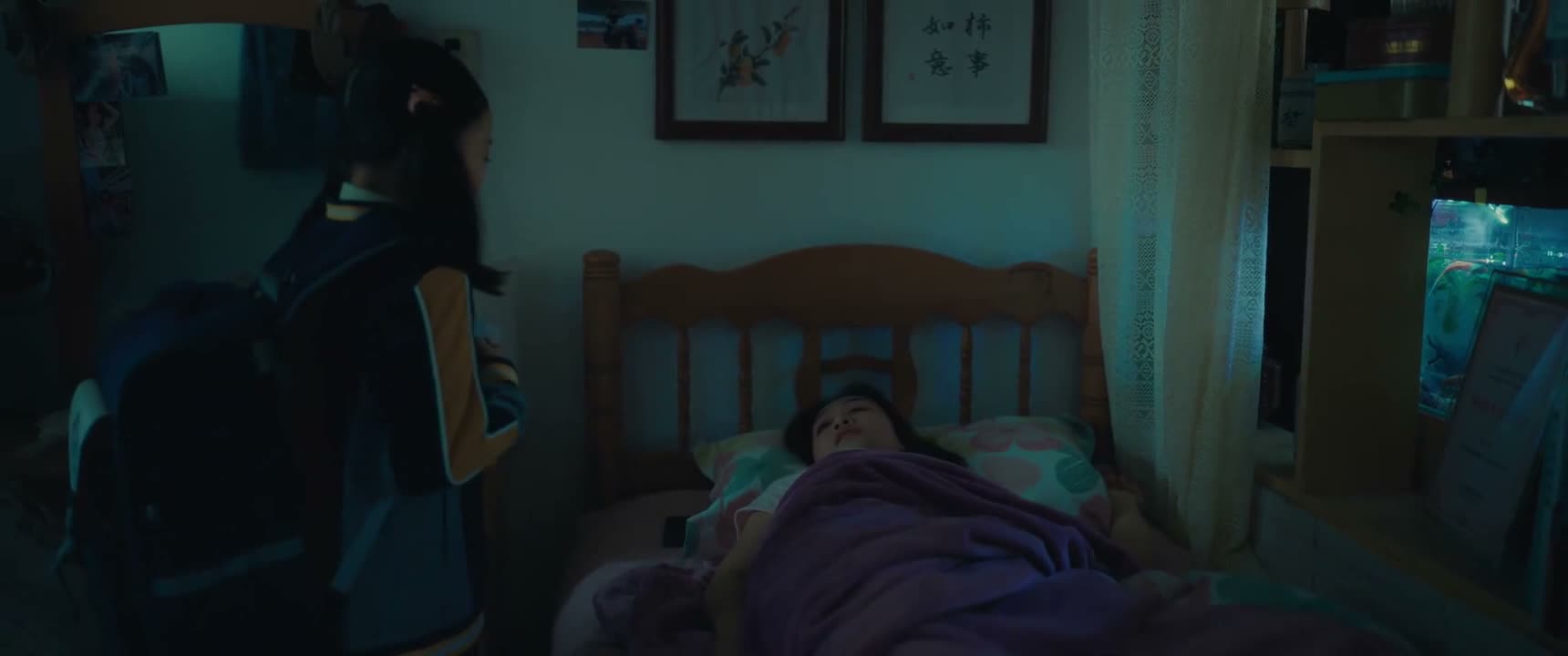
“Mom, you scared me. No, you scared me.”

“♪ If you unveil the mystery ♪ You scared the hell out of me. It's alright, it's alright. ♪ And walk through this journey with me ♪”

“You scared me! What if my dad sees it?”

“That scared me to death! It's fine. No problem.”