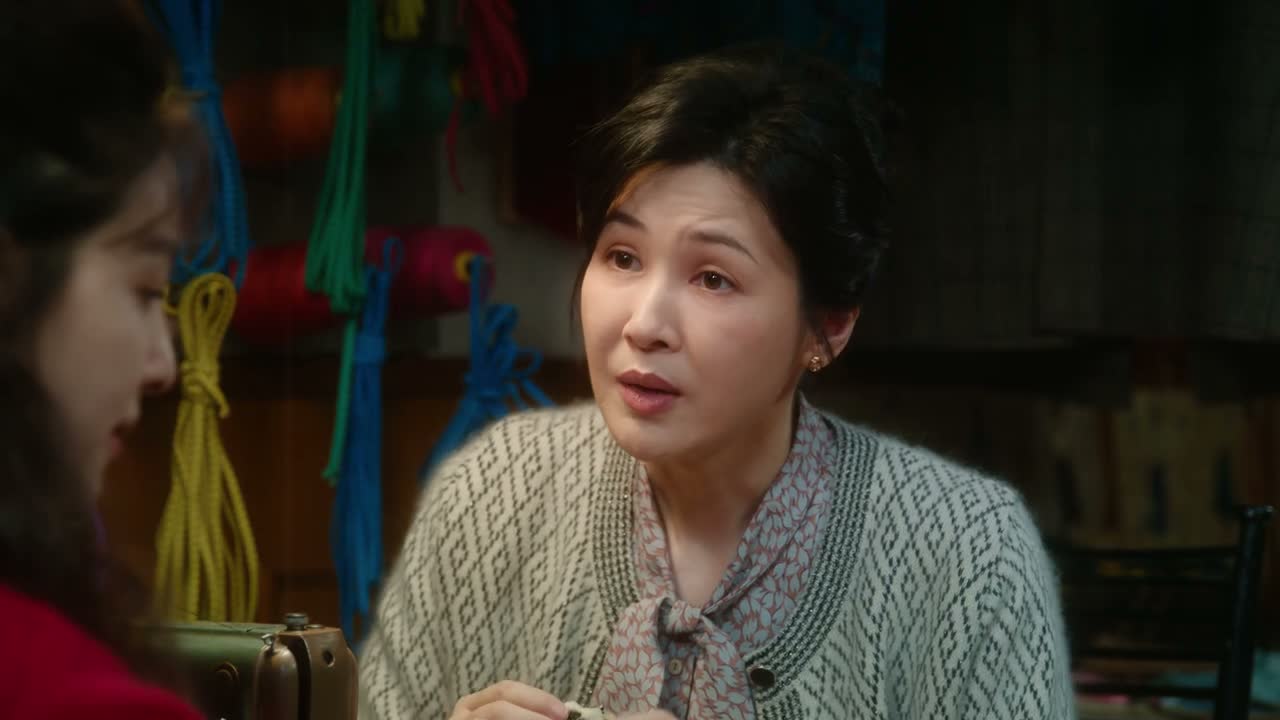
要好好照顾人家知不知道
“(Take good care of her, okay?)”
THE DIALOGUE REEL
你跟她玩得开心吗
“(Did you have fun with her?)”
要 好好照顾人家 知不知道
“(Take good care of her, okay?)”
“Be a responsible man and don't mess this up with your carelessness.”
Chinese parents frequently instruct their sons to 'take good care of' (照顾) young women, viewing attentiveness and consideration as the primary measure of maturity and good manners.
LEARNING CHUNKS & PARTICLES
take good care of
A frequent imperative phrase used by parents or close elders urging someone to look after a partner or guest.
do you hear me? / understand?
Added at the end of an admonition or instruction to demand acknowledgment and stress authority.
the other person / she (affective reference)
Used colloquially to refer to someone else, especially a female partner or guest, in an affectionate, respectful tone.
VOCABULARY & EXPRESSIONS
Parallel Spoken Cinema Scenes (语义近邻切片)
“Then you should take good care of him.”

“And you said you would take care of him.”

“He just worries I won't”

“You'll have to look after her for years. I hope she lives a long life.”

“and take care of you. We are family,”

“you must take good care of your mother.”