你咋还翻旧账呢
“Why must you bring up the past?”
THE DIALOGUE REEL
大捷
“To success!”
你 咋还 翻旧账 呢
“Why must you bring up the past?”
你 你谁啊
“W-Who are you?”
“Stop bringing up past mistakes; deal with what is happening right now.”
In Chinese social interaction, bringing up past misdeeds during an argument is seen as unconstructive and emotionally manipulative, often leading the listener to actively reject the topic.
LEARNING CHUNKS & PARTICLES
to dredge up past grievances or mistakes
A highly common colloquial idiom used when someone brings up resolved or old faults during a conflict.
why are you still...
Informal and slightly dialectal phrasing expressing surprise or frustration at someone's ongoing action.
Softens the rhetorical question into an expression of puzzled protest or complaint.
VOCABULARY & EXPRESSIONS
Parallel Spoken Cinema Scenes (语义近邻切片)

“What's wrong? You're getting worse.”

“He kept adding new debts to my account. New debt to pay for the old debt.”
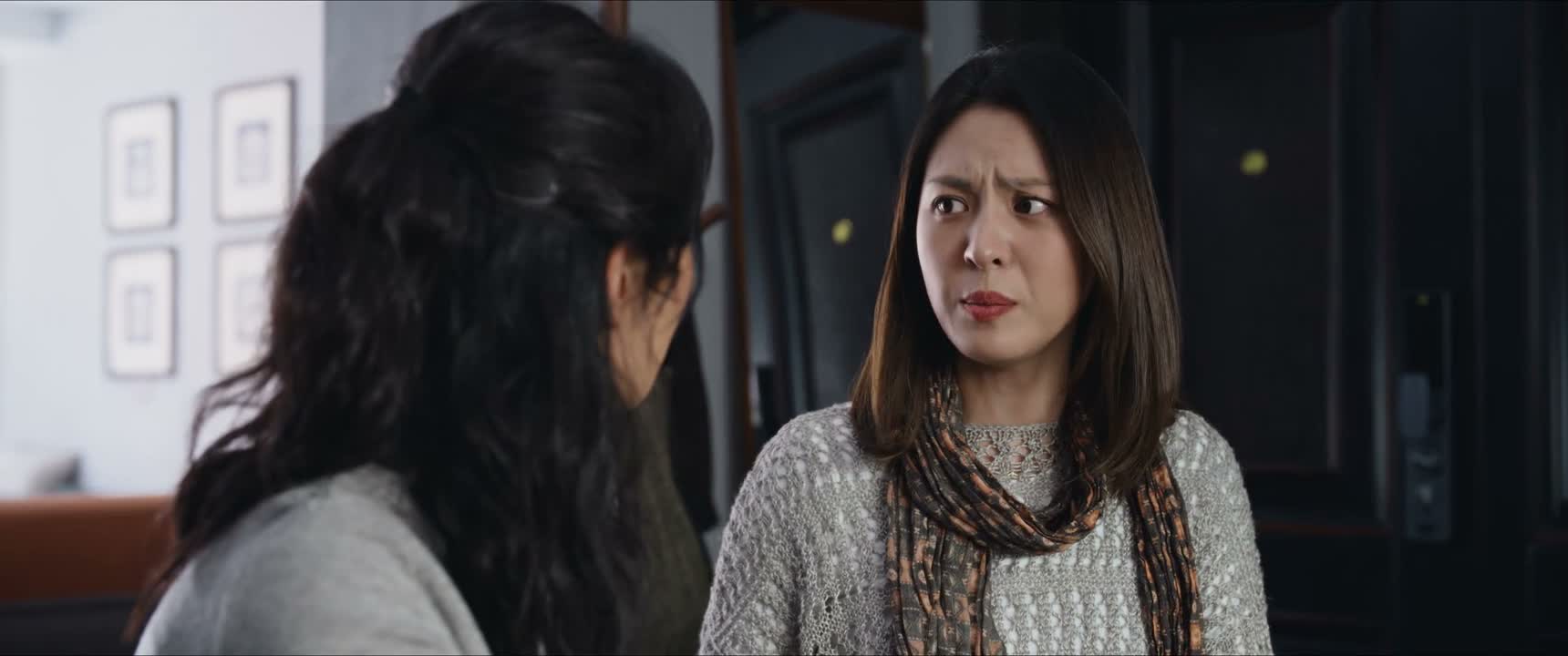
“It's ancient history.”
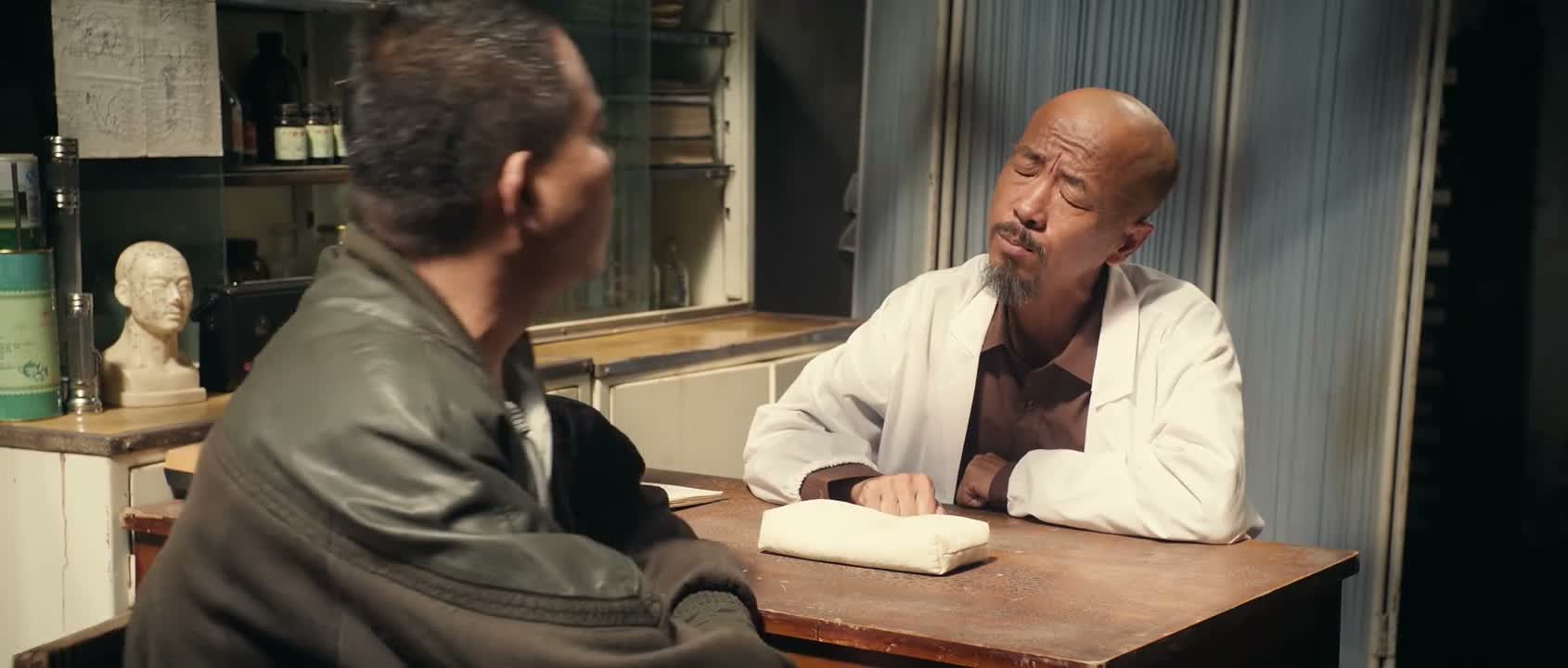
“Why can't you remember?”
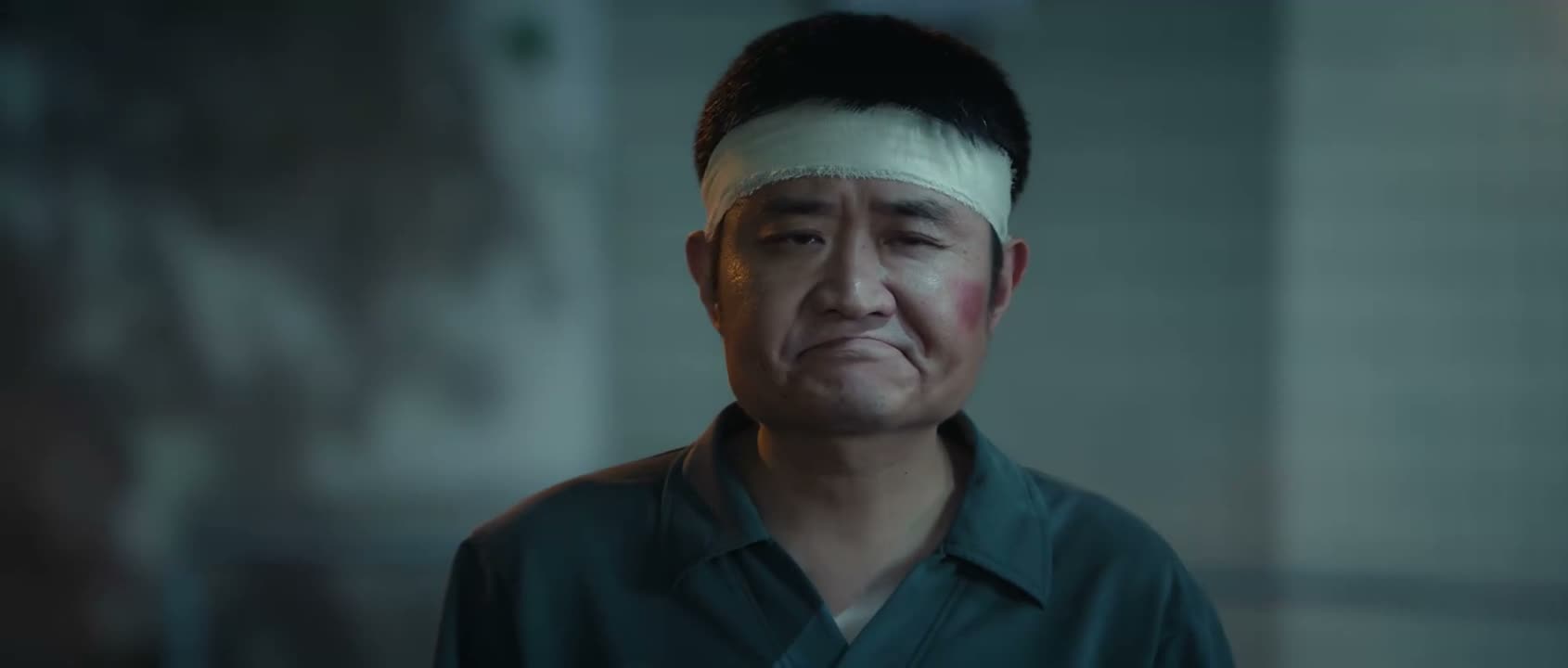
“So, let's drop this whole thing.”

“yet you turn on us instead?”