你先下去吧 别打扰夫人休息了
“You may leave now. Don't disturb her while she rests.”
THE DIALOGUE REEL
我都知道 知道
“I know. I know.”
你先下去吧 别打扰 夫人休息了
“You may leave now. Don't disturb her while she rests.”
臣告退
“I shall take my leave.”
“Leave us now; our discussion is over and you need to get out.”
Superiors often justify dismissing retainers using considerations of domestic tranquility or health to maintain an aura of benevolence while exercising absolute authority.
LEARNING CHUNKS & PARTICLES
step down first / you may leave now
A classic historical imperative used by superiors to dismiss attendants, ministers, or servants politely yet firmly.
do not disturb
Commonly used in both modern and historical settings to request quiet or privacy for someone else.
Softens the command into a polite yet binding directive from a superior.
Marks an imminent boundary, reinforcing that the time to stop speaking and leave has arrived.
VOCABULARY & EXPRESSIONS
Parallel Spoken Cinema Scenes (语义近邻切片)

“- You may leave. - Yes.”

“Just put it aside for now. We have a guest. Hurry and come.”

“Why don't you let her take a break? I'll fill in for her.”

“Get down. Tell me, why did you do this to me? No!”
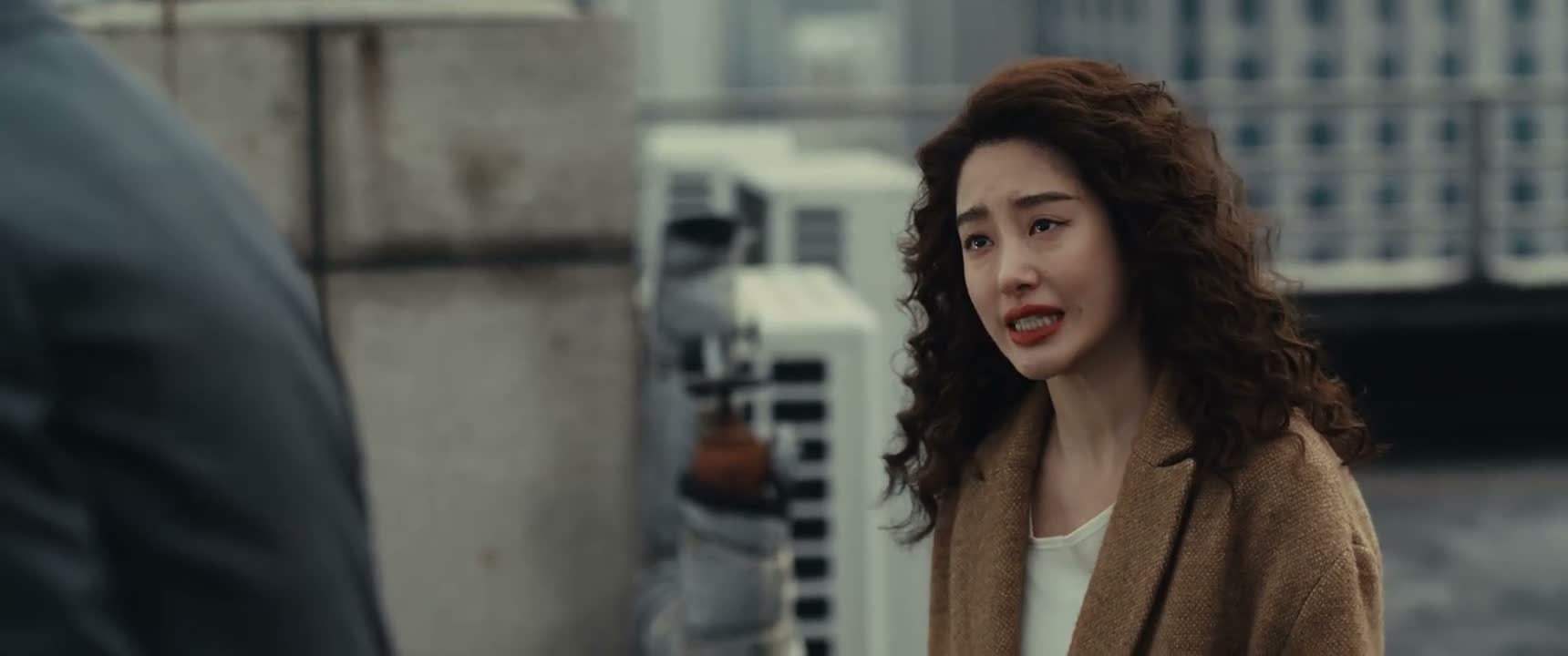
“Come down first. Come down. This will never happen again!”

“I see you're tired. Let's call it a day.”

“The rest of you may leave as well. Yes. Yes.”