难怪要午时之后
“So that's why you said "after noon."”
THE DIALOGUE REEL
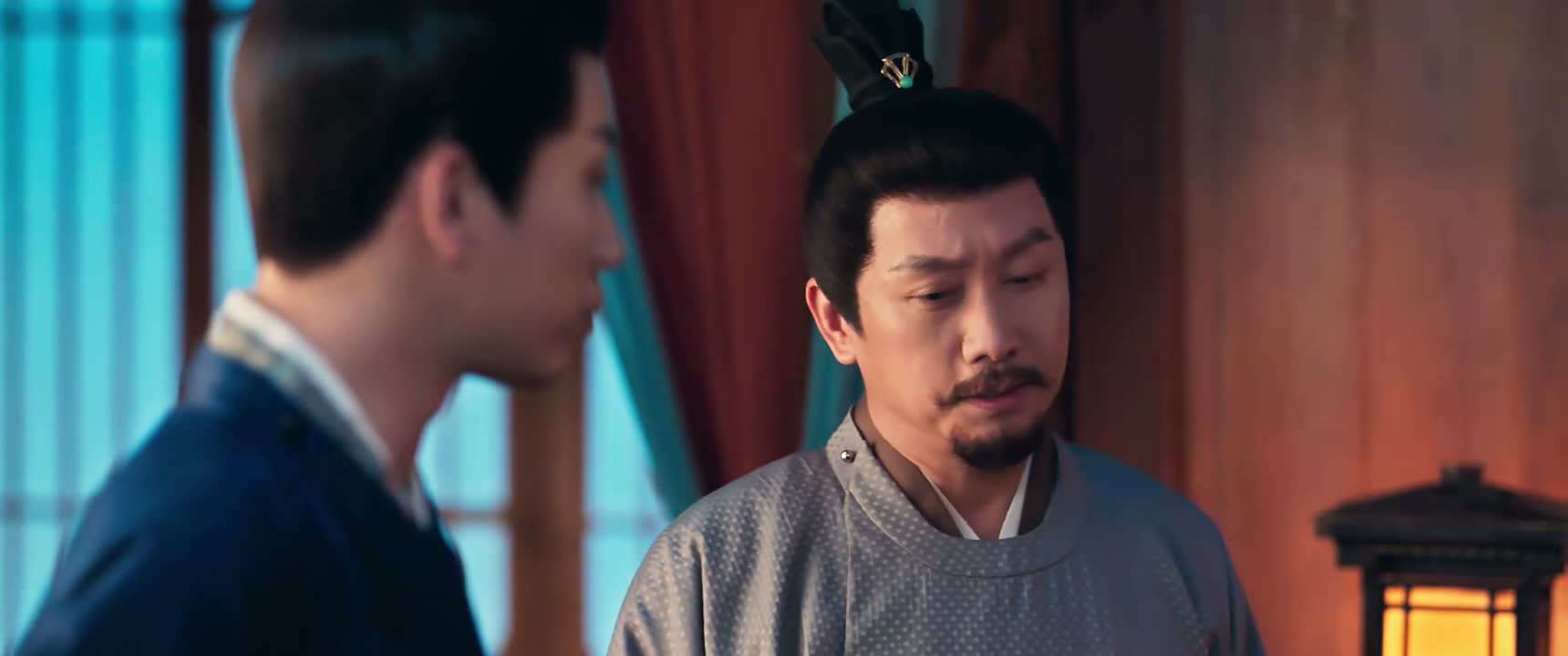
去哪儿啊? 太史丞巳时末交班 找他去含凉殿捉鬼
“Where are you going? Mr. Xiao finishes his shift at the end of the Si hour. I'm going to ask him to help with a ghost hunt.”
难怪 要午时之后
“So that's why you said "after noon."”
“You wanted to see Mr. Xiao.”
Direct spoken expression in this communicative setting.
Ancient China divided the day into 12 two-hour intervals (时辰). '巳时' corresponds to 9:00–11:00 AM, and '午时' corresponds to 11:00 AM–1:00 PM, dictating official shift changes and court routines.
LEARNING CHUNKS & PARTICLES
no wonder; that explains why
Essential conversational connector used to express sudden understanding of a preceding condition.
after the hour of Wu (after 1:00 PM / afternoon)
A traditional time reference based on the twelve two-hour earthly branches, frequently appearing in costume dramas.
VOCABULARY & EXPRESSIONS
Parallel Spoken Cinema Scenes (语义近邻切片)

“Please do not be late.”

“but you insisted on leaving in the afternoon.”
“It's late now.”
“The time has come.”

“In three days, by noontime,”

“You're going to leave sooner or later,”