你们那天晚上听到的曲子 之前可有听过?
“The tune you heard that night. Had you heard it before?”
THE DIALOGUE REEL
我们这儿冷清得很 也无聊得很 从未发生过怪事
“It's always been lonely and quiet here. Frankly, it's quite dull. Nothing strange ever happened before.”
你们 那天晚上 听 到 的 曲子 之前 可有 听过 ?
“The tune you heard that night. Had you heard it before?”
Direct spoken expression in this communicative setting.
In historical and formal contexts, investigators use concise literary markers like '可有' rather than casual colloquial forms to maintain authority and seriousness.
LEARNING CHUNKS & PARTICLES
that night
A common spoken time marker used to anchor a past narrative or event.
did... or did not / have you ever
A slightly formal, classical-tinged inquiry pattern equivalent to '有没有'.
VOCABULARY & EXPRESSIONS
Parallel Spoken Cinema Scenes (语义近邻切片)
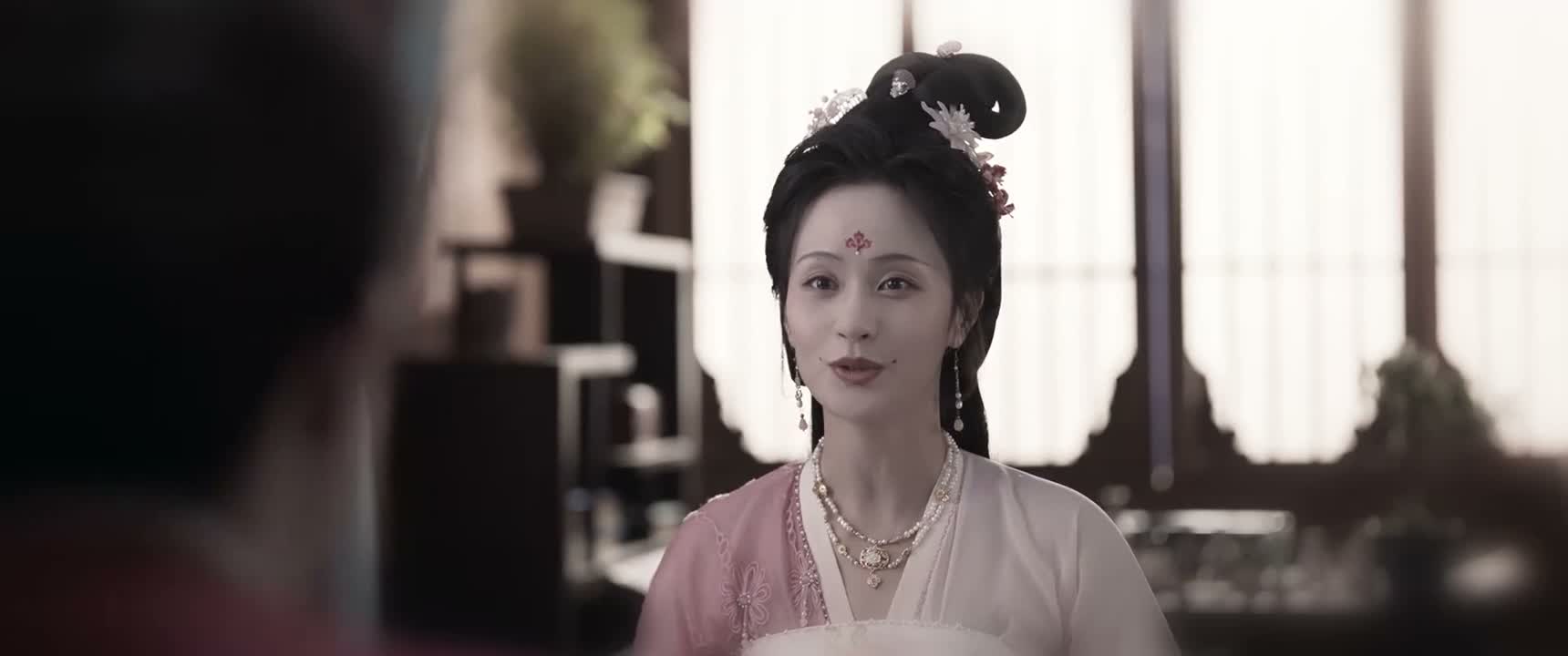
“Maybe he's a customer who came to listen to the music.”

“At a time like this, you still want to listen to a song?”
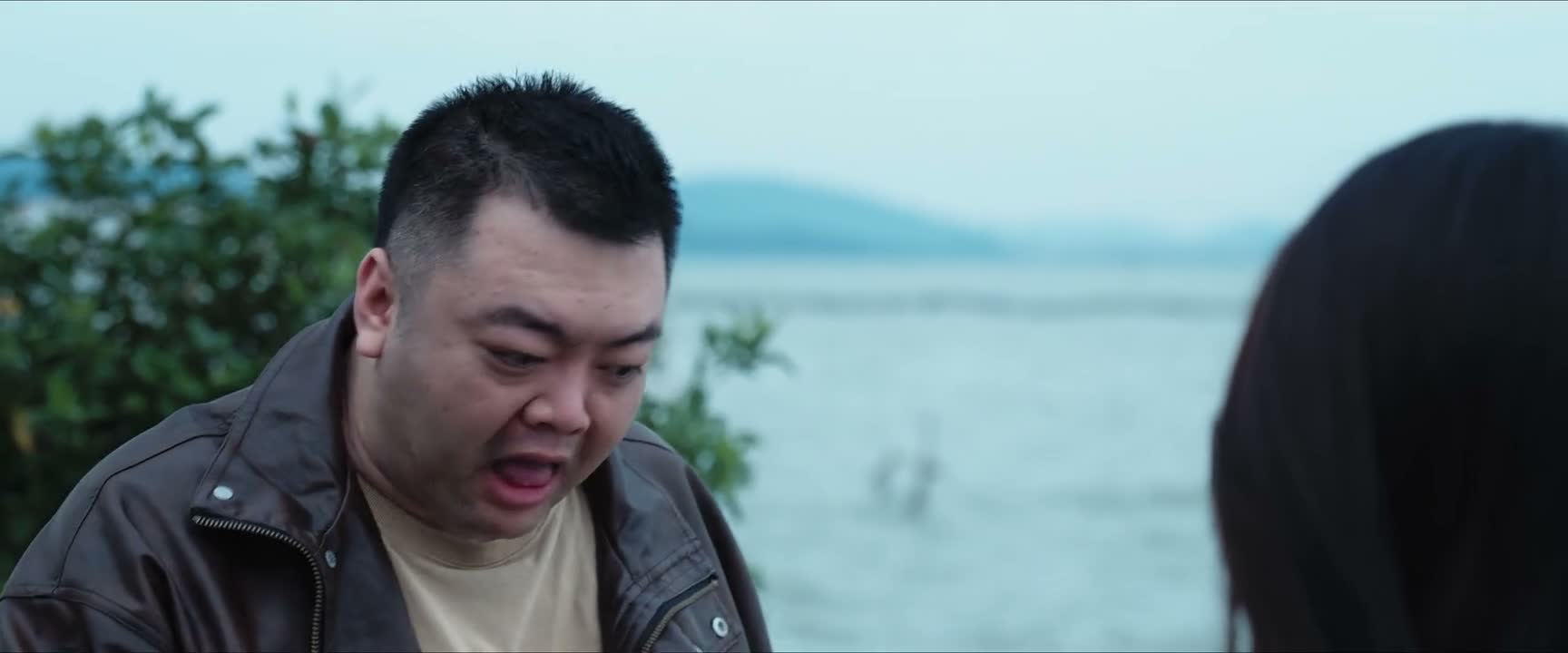
“I heard everything clearly last night.”

“I just want to hear her play music again.”

“what's so great about this tune?”
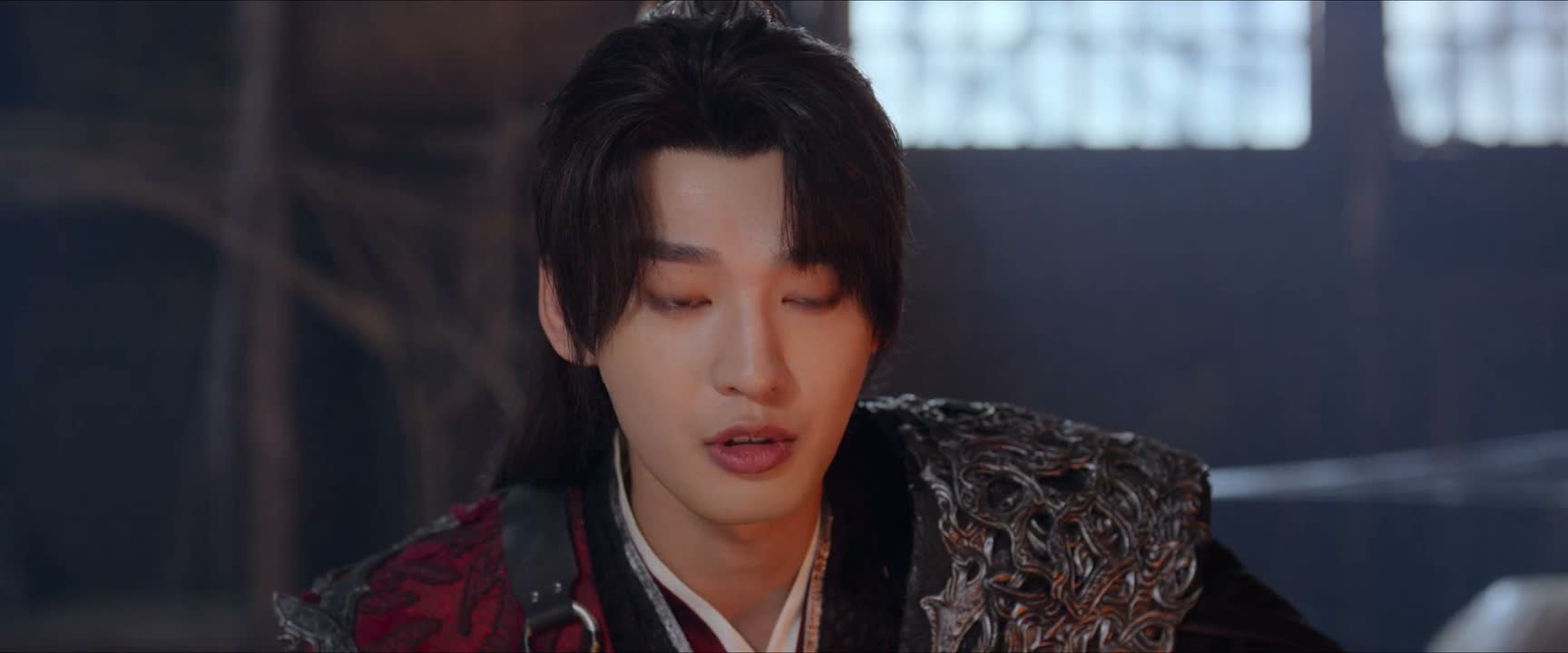
“I wonder if you've heard about it.”