MC
MandarinClips Cinema Corpus
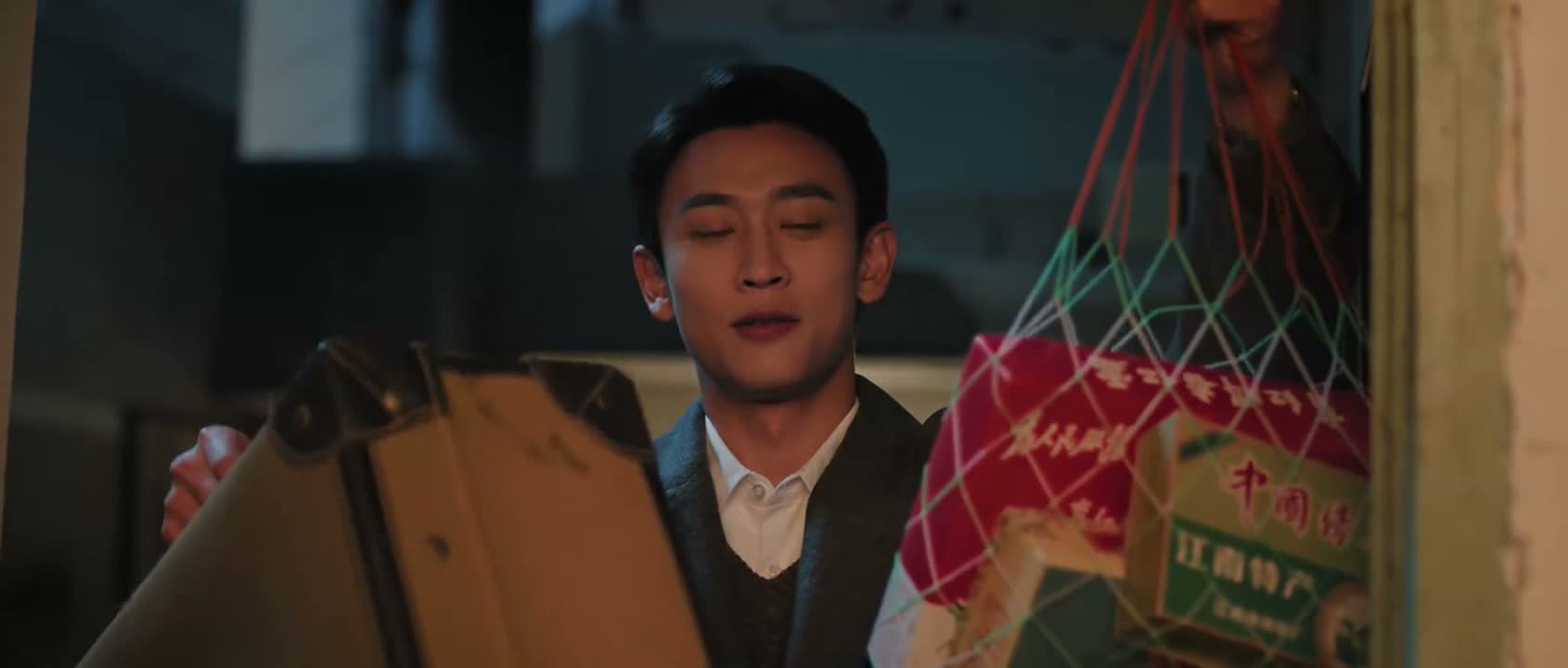
《Love Story in the 1970s》 S1·E18 (29:41) HSK 6
yòu chū qù a shuō hǎo le jīn tiān qù gěi wǒ bà mā bài nián de

又出去啊 说好了今天去给我爸妈拜年的

“You're going out again? You promised to visit my family today.”

《Love Story in the 1970s》 S1·E18
TIMECODE: 29:41 · 1080P MASTER AUDIO

THE DIALOGUE REEL

1+1+1 SPOKEN CONTINUITY
[-1] PREVIOUS TURN bié děng wǒ

别等我

“Don't wait for me.”

yòu chū qù a shuō hǎo le jīn tiān qù gěi wǒ bà mā bài nián de CURRENT FOCUS

又 出去啊 说好了 今天 去 给我 爸妈 拜年 的

“You're going out again? You promised to visit my family today.”

[+1] FOLLOW-UP TURN jì zhe ne dān wù bù liǎo

记着呢 耽误不了

“I know. I'll be back.”

Subtitles synced to millisecond timecode Browse Show Clips →
Scene: Family & Home
Function: REMINDING AND COMPLAINING
Tone: REPROACHFUL
Emotion: ANNOYANCE
WHAT THEY REALLY MEAN (PRAGMATIC SUBTEXT)
“Do not ditch my parents' visit; keep your promise.”
💡 Cultural Insight: Bainian (Spring Festival Visits)

Visiting in-laws and elders during the Lunar New Year is an essential social and filial duty in Chinese culture, and neglecting it can cause marital friction.

INTENT TAGS: #reminding #complaining #holding_accountable #filial_duty
🧩

LEARNING CHUNKS & PARTICLES

2 CHUNKS · 2 PARTICLES
说好了 SPOKEN CHUNK

agreed upon / settled

Use this to hold someone accountable to an earlier verbal agreement.

拜年 SPOKEN CHUNK

to pay a New Year visit / extend Spring Festival greetings

A vital cultural term used specifically around the Lunar New Year for paying respects to elders and relatives.

Modal Particle「啊」 (a) CHANGE OF STATE

Softens the rhetorical question into a slightly plaintive or surprised query.

Modal Particle「的」 (de) CHANGE OF STATE

Functions here to emphasize certainty and the established nature of the past agreement.
🏮

VOCABULARY & EXPRESSIONS

5 EXPR · 0 GRAMMAR
CROSS-CINEMA CORPUS BOARD · PARALLEL SCENES

Parallel Spoken Cinema Scenes (语义近邻切片)

EXPLORE BY SEMANTIC SIMILARITY
《Love Story in the 1970s》 S1·E18 (29:41) · Authentic Cinema Dialogue Corpus