拜年
bài niánCommon spoken expression used by native Chinese speakers in daily life.
[Scene: 家庭日常]
(8 clips) 00:02
 00:02
 00:03
(千万记得啊) ── Previous context
“On New Year's Eve, call your dad and wish him a happy New Year.”
 00:02
(还有 我去中英街 买了一些香港特产 一份给咱妈) ── Previous context
“and your mother-in-law. New Year gifts.”
 00:02
(往左边挪挪 羞羞) ── Previous context
“Xiaorou is video calling you to wish our family a happy New Year.”
 00:03
(是这样我们定的是初三 你赶紧给你外婆打电话) ── Previous context
“to wish her a happy Spring Festival. Otherwise, she'll blame you again. I called.”
 00:02
(妈 哥 嫂子) ── Previous context
“You're here, Lin Mei. I'm here to wish you a happy new year.”
 00:03
(别等我) ── Previous context
“You're going out again? You promised to visit my family today.”
[Scene: 其他场景]
(3 clips) 00:03
 00:02
 00:03
(我先走了) ── Previous context
“You... Tomorrow morning, I'll pay a New Year's visit to Madam.”
[Scene: 社交聚会]
(3 clips) 00:02
(您放心吧) ── Previous context
“(The reason I called so late) (to wish you a happy new year)”
 00:02
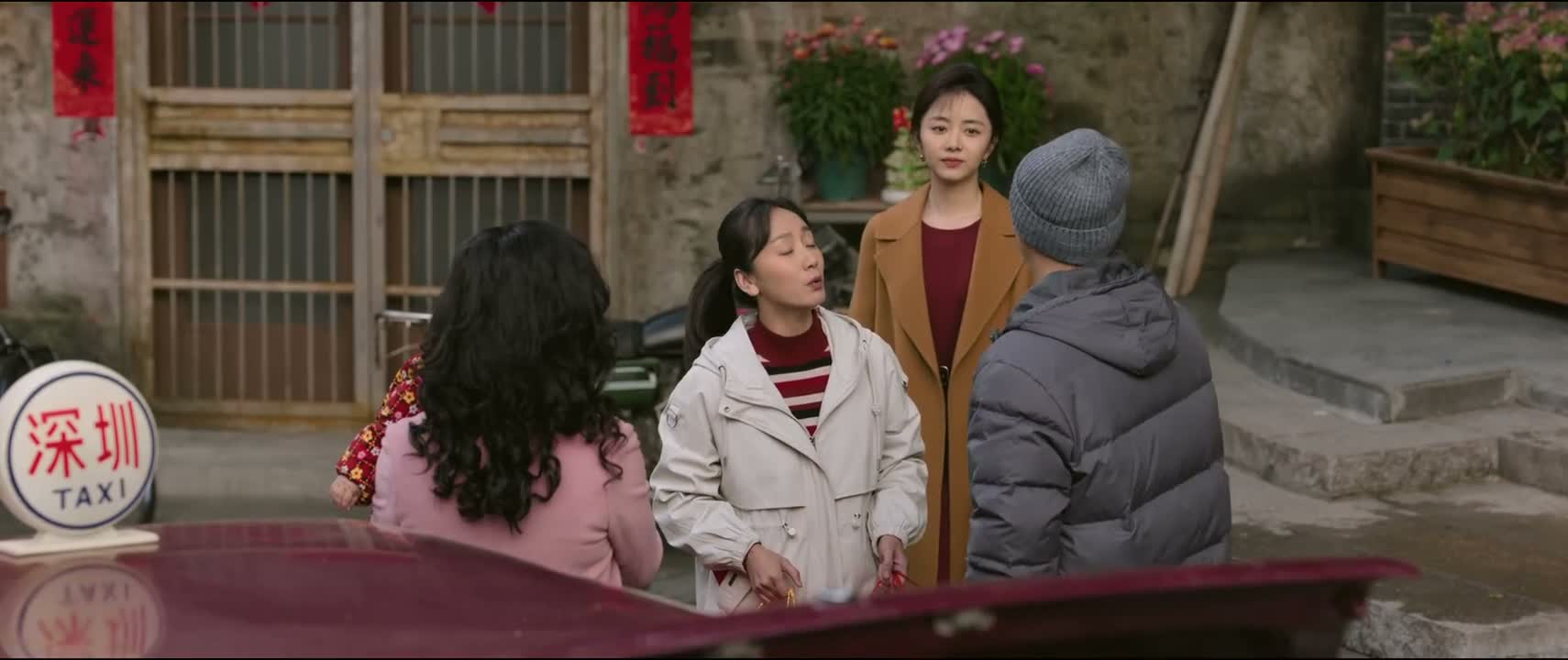 00:02
[Scene: 商务沟通]
(1 clips) 00:03
[Scene: 职场工作]
(1 clips) 00:03
📌 新年好
→Nuance: 同为新春拜年祝福用语
📌 电话
→Nuance: 同属迟打电话/不打电话的解释
📌 电话
→Nuance: 同向近义词根配对: [现在 ↔ 今天]
📌 走了
→Nuance: 同向近义词根配对: [明日 ↔ 明天]
📌 不是
→Nuance: 句式相同,用反问解释去向
📌 惊喜
→Nuance: 同属迟打电话/不打电话的解释
📌 本来
→Nuance: 同向近义词根配对: [现在 ↔ 今天]
📌 来
→Nuance: 职场向下属或领导拜访委婉变体
📌 来
→Nuance: 同向近义词根配对: [明日 ↔ 明天]
📌 打电话
→Nuance: 同属迟打电话/不打电话的解释