惊喜
jīng xǐCommon spoken expression used by native Chinese speakers in daily life.
[Scene: 社交聚会]
(19 clips) 00:03
 00:02
(这是) ── Previous context
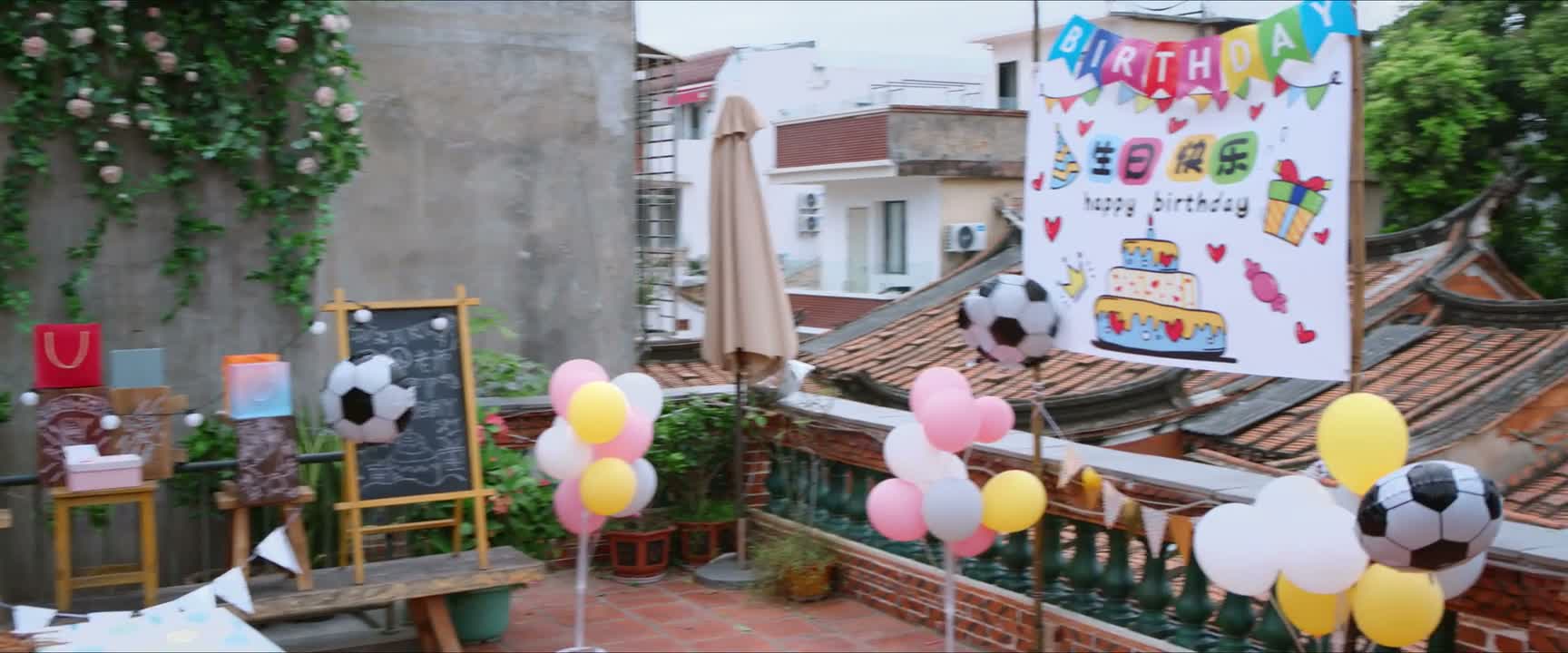
“[Happy Birthday] Is this the surprise you were talking about?”
 00:02
 00:03
 00:02
 00:02
 00:02
 00:02
 00:02
 00:02
 00:02
(那何宇穹把她号码给我了 我一直也没打) ── Previous context
“(Ren Xiaoming) Since you're here, let's surprise her.”
 00:02
 00:02
 00:02
 00:02
 00:03
(一会儿进屋跟我学做菜去啊) ── Previous context
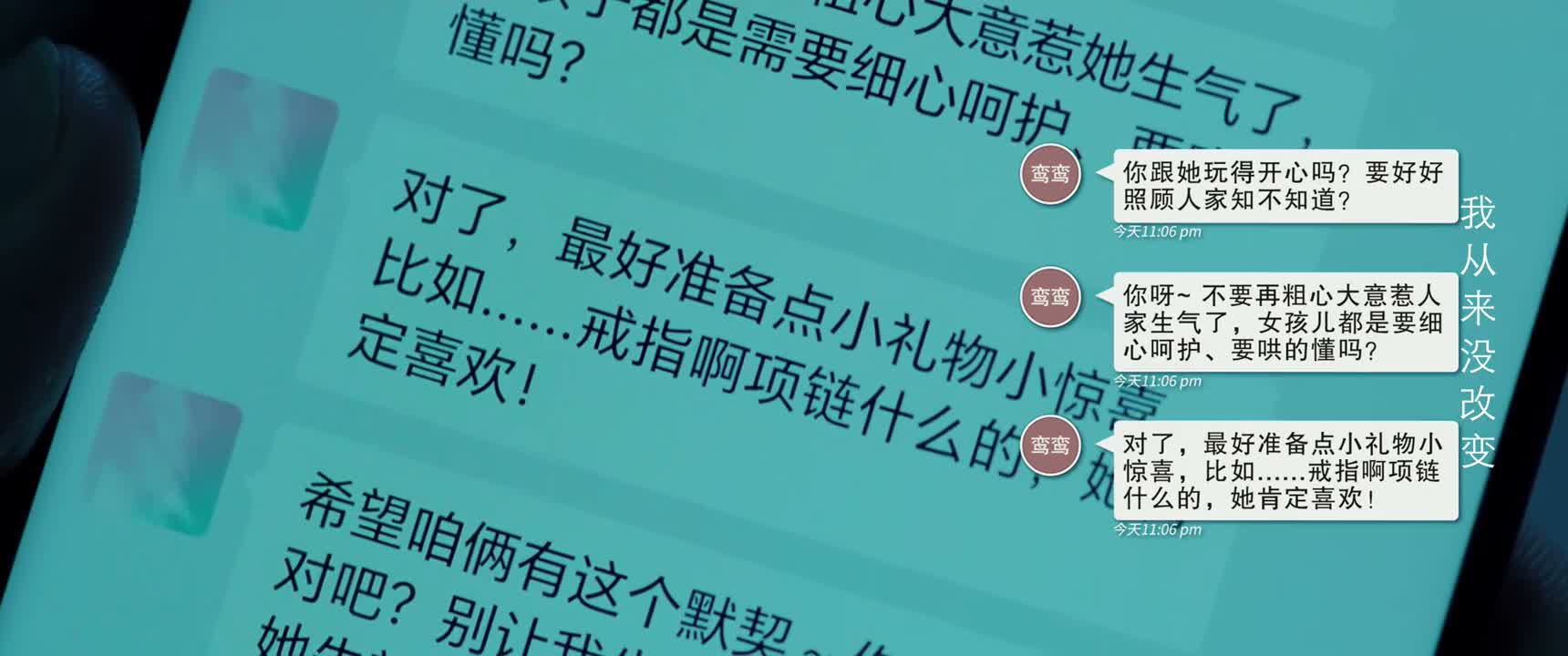
“Why are you being so sneaky? I have a surprise. Come.”
 00:03
 00:02
 00:03
(结果你俩这合伙给我惊喜) ── Previous context
“Well, your sudden arrival was already a surprise in itself.”
[Scene: 家庭日常]
(7 clips) 00:02
 00:02
 00:02
 00:03
(还没来得及呢) ── Previous context
“You should have gone home earlier instead of preparing surprise,”
 00:02
 00:02
(行吧 加斯珀离开了 去你妈妈那里住了) ── Previous context
“I assume she phoned, hence this lovely surprise.”
 00:03
[Scene: 职场工作]
(4 clips) 00:03
(请咱俩喝酒 你看他高兴的 还跟着跳呢 你说) ── Previous context
“Well, Mr. Pei? Are you surprised? Aren't I capable?”
 00:03
(谢谢你们) ── Previous context
“And of course, I've prepared a special surprise gift for you:”
 00:02
 00:02
[Scene: 其他场景]
(3 clips) 00:02
 00:02
 00:02
[Scene: 历史宫廷]
(2 clips) 00:03
 00:02
[Scene: 其他场景]
(1 clips) 00:02
[Scene: 出行交通]
(1 clips)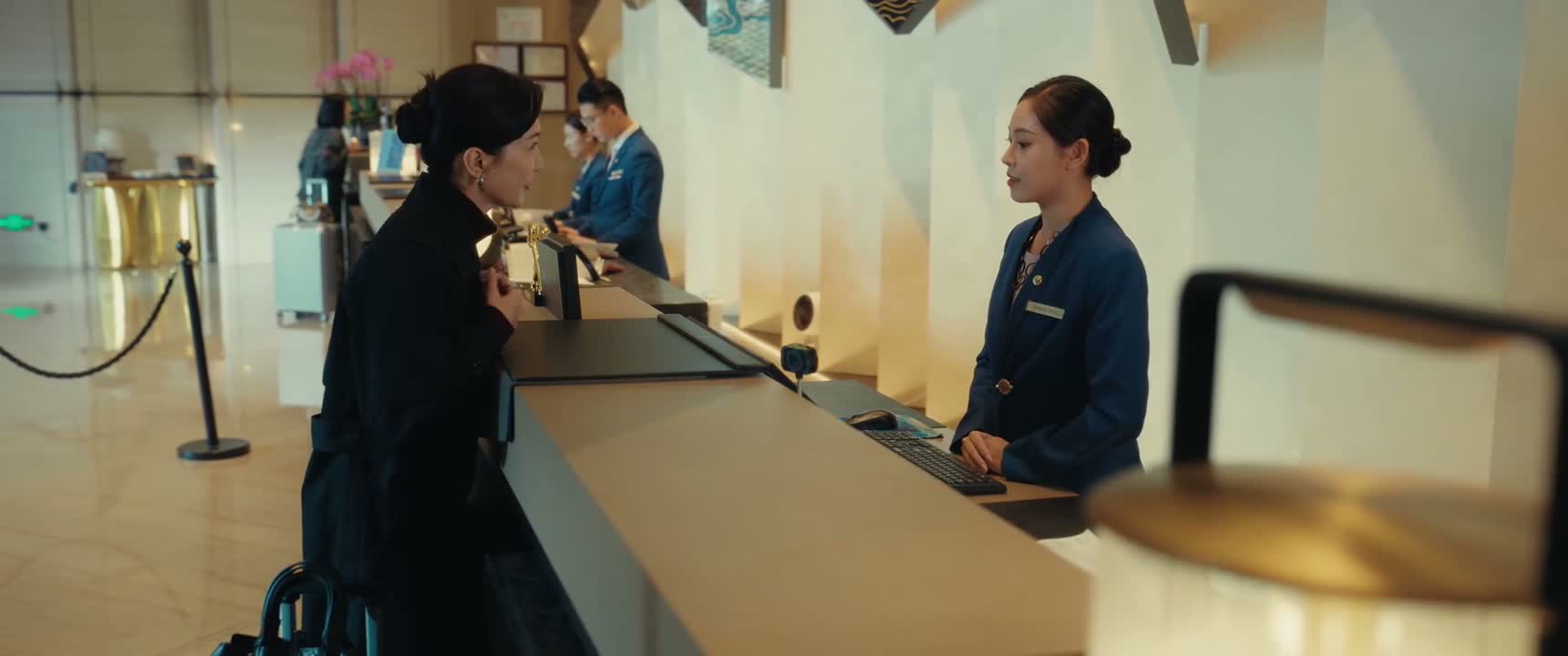 00:02
(他们公司是不是 有一位叫李东明的先生入住了) ── Previous context
“He's my husband. I want to surprise him.”
📌 走走走
→Nuance: 同为问去向及非确定性回答
📌 意外
→Nuance: 意外带正面色彩,情感更偏惊喜
📌 意外
→Nuance: 正反疑问句变体,交际意图完全相同
📌 真乖
→Nuance: 同向近义词根配对: [宝宝 ↔ 乖乖]
📌 把话说清楚
→Nuance: 同向近义词根配对: [我们 ↔ 咱们]
📌 电话
→Nuance: 同属迟打电话/不打电话的解释
📌 电话
→Nuance: 解释未打电话为保惊喜,意图相同
📌 早点回家
→Nuance: 同为责怪对方没能早点回家
📌 真是
→Nuance: 口语化表达惊喜,核心意图一致