拜年 不然晚了她又要说你了 我打过了
“to wish her a happy Spring Festival. Otherwise, she'll blame you again. I called.”
THE DIALOGUE REEL
是这样我们定的是初三 你赶紧给你外婆打电话
“Here's the thing. We plan to go back on the third day of Lunar New Year. Call your grandma”
拜年 不然 晚了 她 又要说你了 我打过了
“to wish her a happy Spring Festival. Otherwise, she'll blame you again. I called.”
还有你二姨 我也打过了
“You, call Aunt He Lan. I called too.”
“Don't lecture me, I already handled it ahead of time.”
During Spring Festival, younger generations are socially obligated to call or visit elders early; failing to do so invites familial criticism for lack of filial respect.
LEARNING CHUNKS & PARTICLES
to pay a New Year call or extend Spring Festival greetings
A vital cultural custom during the Lunar New Year involving visiting or calling relatives.
otherwise; or else
Commonly used in spoken Chinese to introduce the negative consequence of not doing something.
Indicates completion of the action, conveying finality and resolution.
VOCABULARY & EXPRESSIONS
Parallel Spoken Cinema Scenes (语义近邻切片)
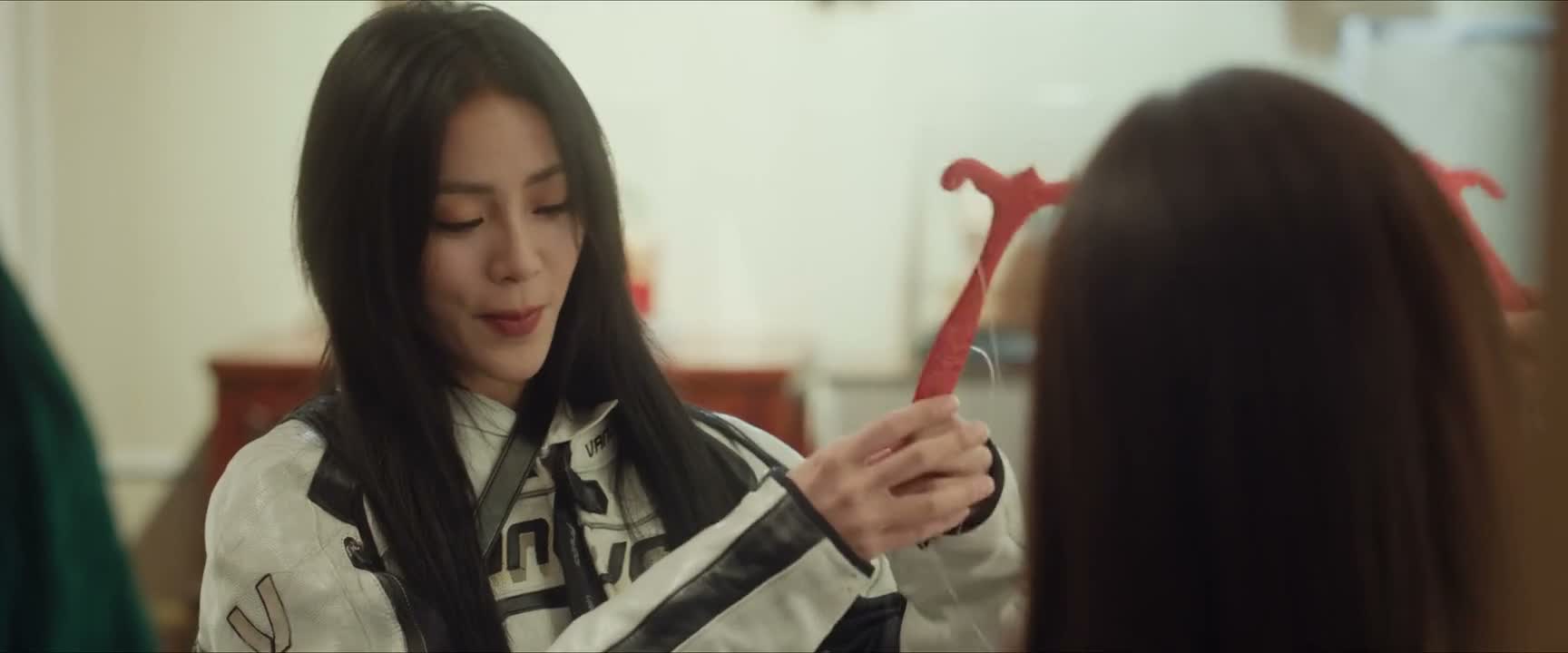
“Happy New Year.”
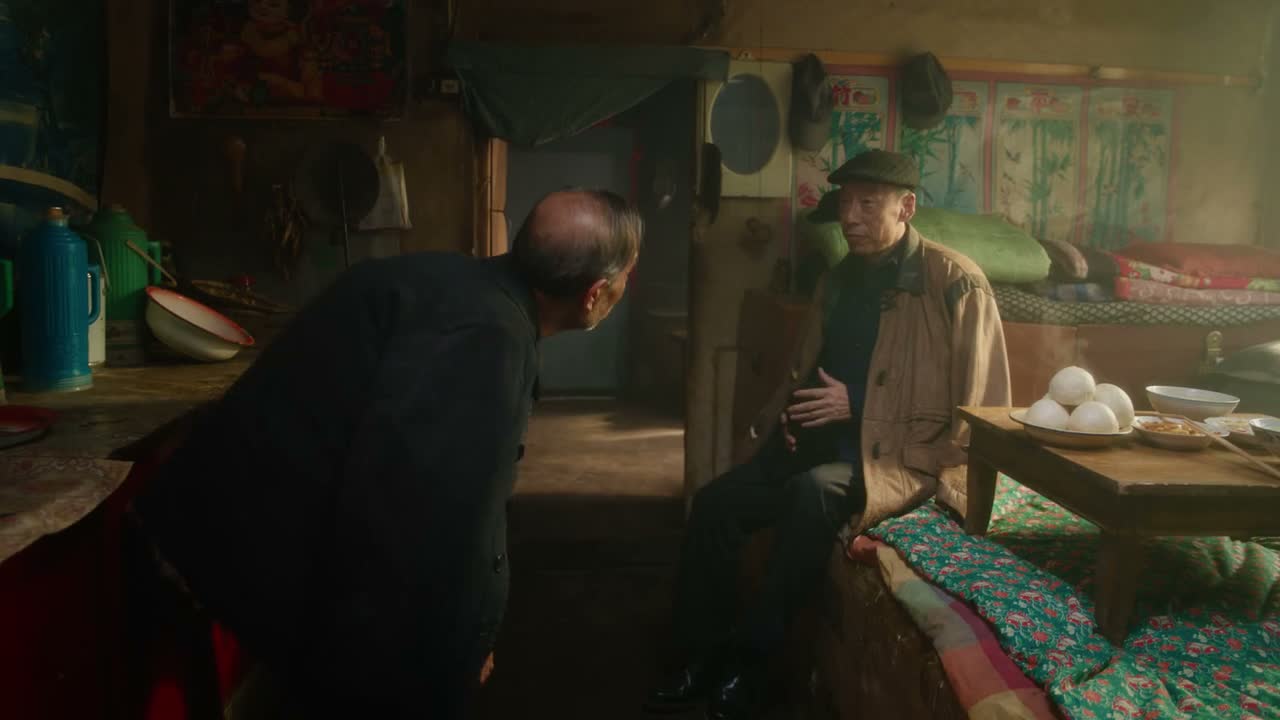
“didn't he go pay you a visit?”

“Give our wishes to them.”

“Bye, Xiaoyu.”

“Let's wait till after the New Year.”

“I should be the one wishing you well.”