日常有没有吃苦啊
“Is he living a good life?”
THE DIALOGUE REEL
“How is he doing up on the mountain?”
日常 有没有 吃苦 啊
“Is he living a good life?”
伯父放心
“Don't worry.”
Direct spoken expression in this communicative setting.
Elders in Chinese culture frequently inquire whether the youth are 'eating bitterness' (吃苦) as a core expression of paternal benevolence and duty of care.
LEARNING CHUNKS & PARTICLES
to endure hardship / suffer
An essential idiomatic verb used broadly from minor inconveniences to severe life struggles.
daily life / everyday routine
Used as an adverb or noun to specify normal daily conditions rather than extraordinary events.
Softens the inquiry, conveying warmth, personal intimacy, and genuine solicitous care.
VOCABULARY & EXPRESSIONS
Parallel Spoken Cinema Scenes (语义近邻切片)

“Is that what you call "haven't suffered much"? Let's not talk about unhappy things.”

“that you were unwell recently.”
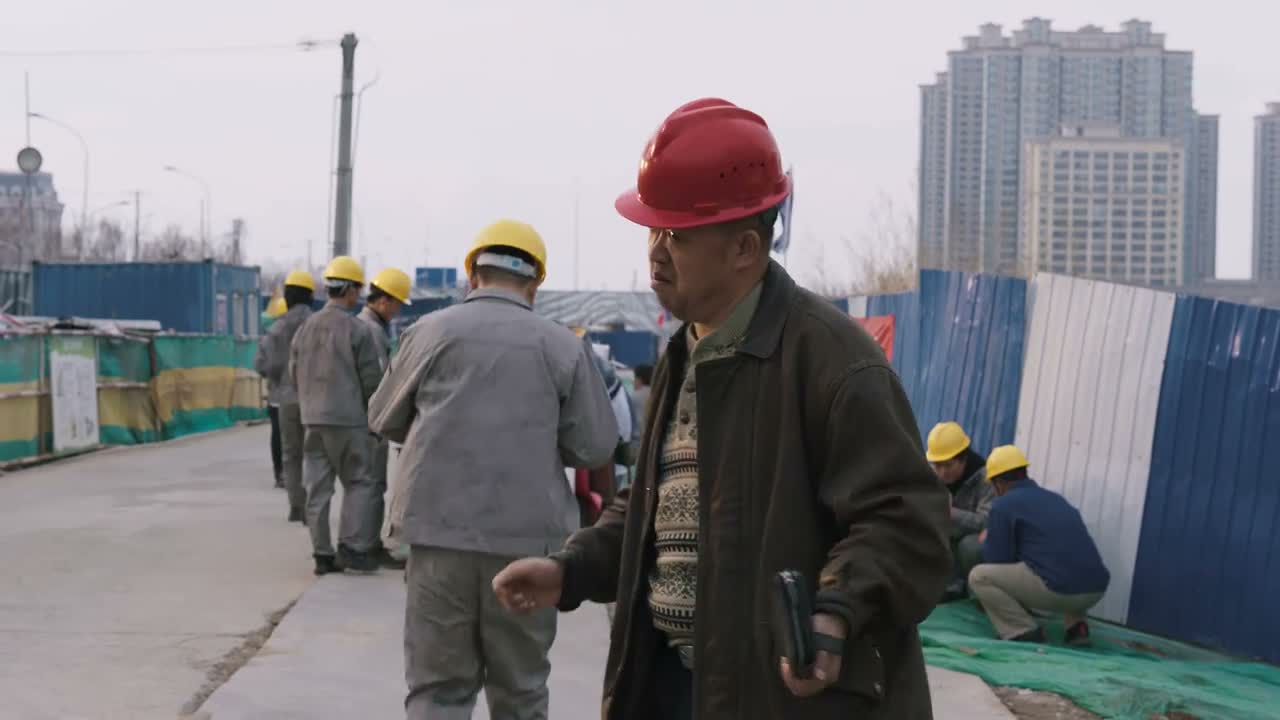
“You hard workers need to eat more.”

“and not afraid of any hardship.”

“She suffered and toiled.”

“Have you ever known hunger and cold,”