吃苦
chī kǔCommon spoken expression used by native Chinese speakers in daily life.
[Scene: 职场工作]
(14 clips) 00:02
 00:03
 00:02
(无人区都跑过的 我们又不跑无人区 是 是 是) ── Previous context
“I'm trying to say I can work in harsh conditions.”
 00:02
(我身为厂干事) ── Previous context
“I should endure hardship first and enjoy comfort later.”
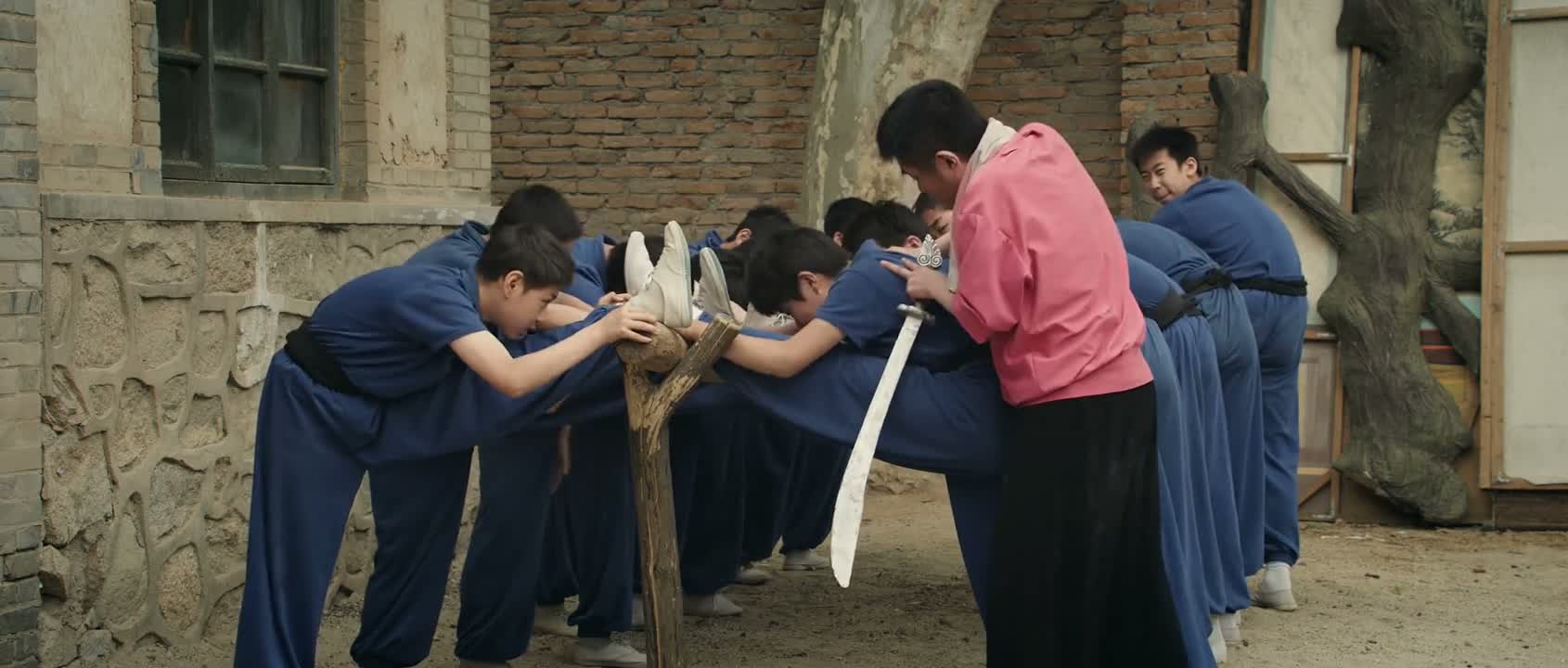 00:02
 00:02
 00:03
(盛城这边 我觉得还是选尤丽吧) ── Previous context
“She's eager to learn and hardworking. Let her get some experience first.”
 00:02
 00:02
 00:03
(您就把她调回县里边吧 人 人家一小姑娘) ── Previous context
“Why subject her to township hardships? Enough nonsense!”
 00:02
(你有病吧你 现在深圳的打工妹 总共分两类) ── Previous context
“First type: strong and hardworking. Assembly line”
 00:03
(谢谢啊) ── Previous context
“Didn't think a city kid like you could be so tough.”
 00:03
(我愿意) ── Previous context
“I... though I have no experience, I'm a hard worker and a quick learner.”
 00:03
[Scene: 其他场景]
(4 clips) 00:02
 00:03
 00:02
 00:03
[Scene: 家庭日常]
(4 clips) 00:02
 00:03
 00:02
(处事大方) ── Previous context
“If you're willing to let him endure some hardship, Eldest Aunt,”
 00:02
[Scene: 其他场景]
(2 clips) 00:02
 00:03
(凭什么所有的资源都要给你 凭什么你永远都是一副) ── Previous context
“so high and mighty? People like you should suffer a bit.”
[Scene: 社交聚会]
(2 clips) 00:03
(你说胖瓜他们 是不是很有梦想?) ── Previous context
“They are good kids. They work hard and are committed.”
 00:02
[Scene: 商务沟通]
(1 clips) 00:02
(你看 老板 我们都是月海本地人) ── Previous context
“We're honest, hardworking, and our rates are reasonable.”
[Scene: 历史宫廷]
(1 clips) 00:03
(幸得八房女李氏祯娘 于墨业一道天分极佳) ── Previous context
“Moreover, she is loyal, kind, and hardworking.”
📌 一个人
→Nuance: 核心句式与安慰意图一致
📌 得了
→Nuance: 同向近义词根配对: [姑娘 ↔ 小姑娘]
📌 明白人
→Nuance: 没看出来表意外赞赏,句式等价
📌 是不是
→Nuance: 同向近义词根配对: [为什么 ↔ 干吗]
📌 不是
→Nuance: 同向近义词根配对: [为什么 ↔ 干吗]
📌 少不了
→Nuance: 同向近义词根配对: [吃苦 ↔ 吃苦头]
📌 来
→Nuance: 没看出来表意外赞赏,句式等价
📌 来
→Nuance: 句式意图一致,均表意外发现