你还有脸提你娘
“How dare you bring her up?”
THE DIALOGUE REEL
我就想找到 哪怕一丝一毫 我娘亲活过的影子
“I wanted to find even the slightest trace of my mother's existence.”
你 还有脸 提你 娘
“How dare you bring her up?”
她要是知道你这般任性妄为 九泉之下也要寒心
“If she knew you were being so willful, she would be heartbroken!”
Direct spoken expression in this communicative setting.
In Chinese culture, claiming someone 'has no face' (没有脸) invokes profound shame, particularly when tied to dishonoring parental memory.
LEARNING CHUNKS & PARTICLES
to still have the nerve / to have the audacity
An aggressive, face-attacking expression used to accuse someone of shamelessness.
VOCABULARY & EXPRESSIONS
Parallel Spoken Cinema Scenes (语义近邻切片)

“You have the nerve to call yourself her father?”

“You have the nerve to ask me?”

“You have the nerve to come back?!”
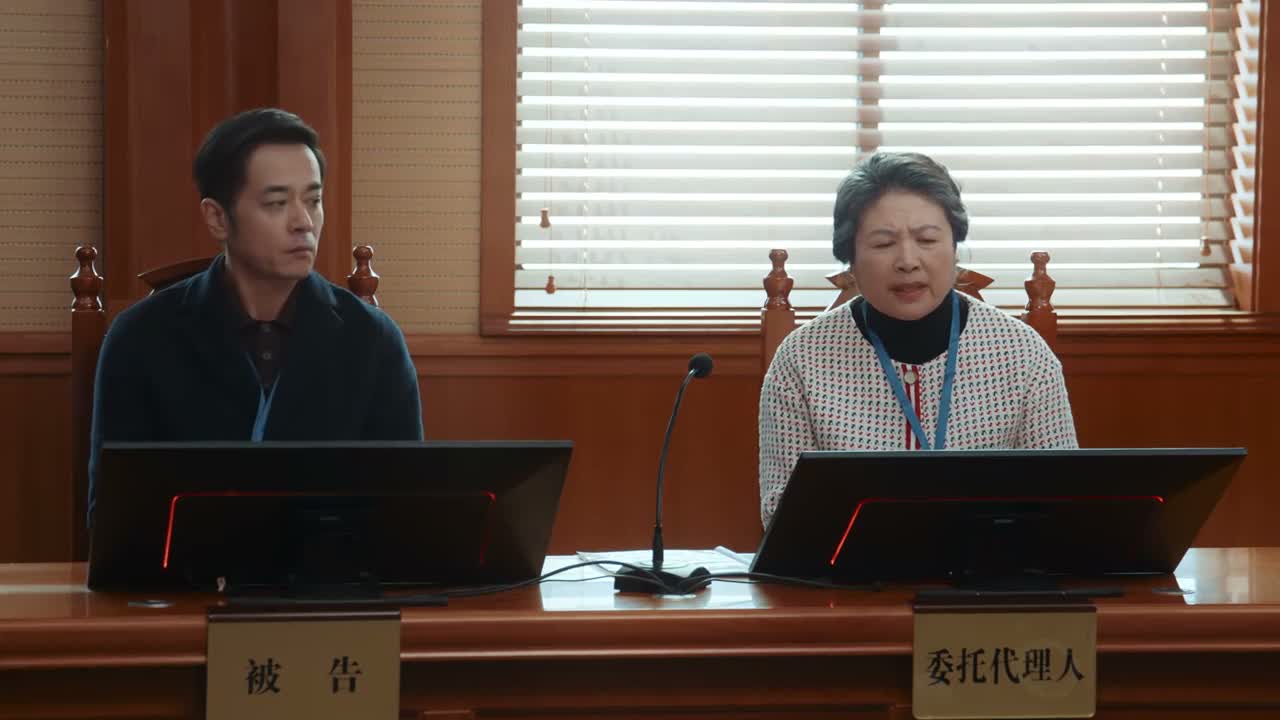
“Stop bringing up your mother.”

“You have the nerve to ask me?”
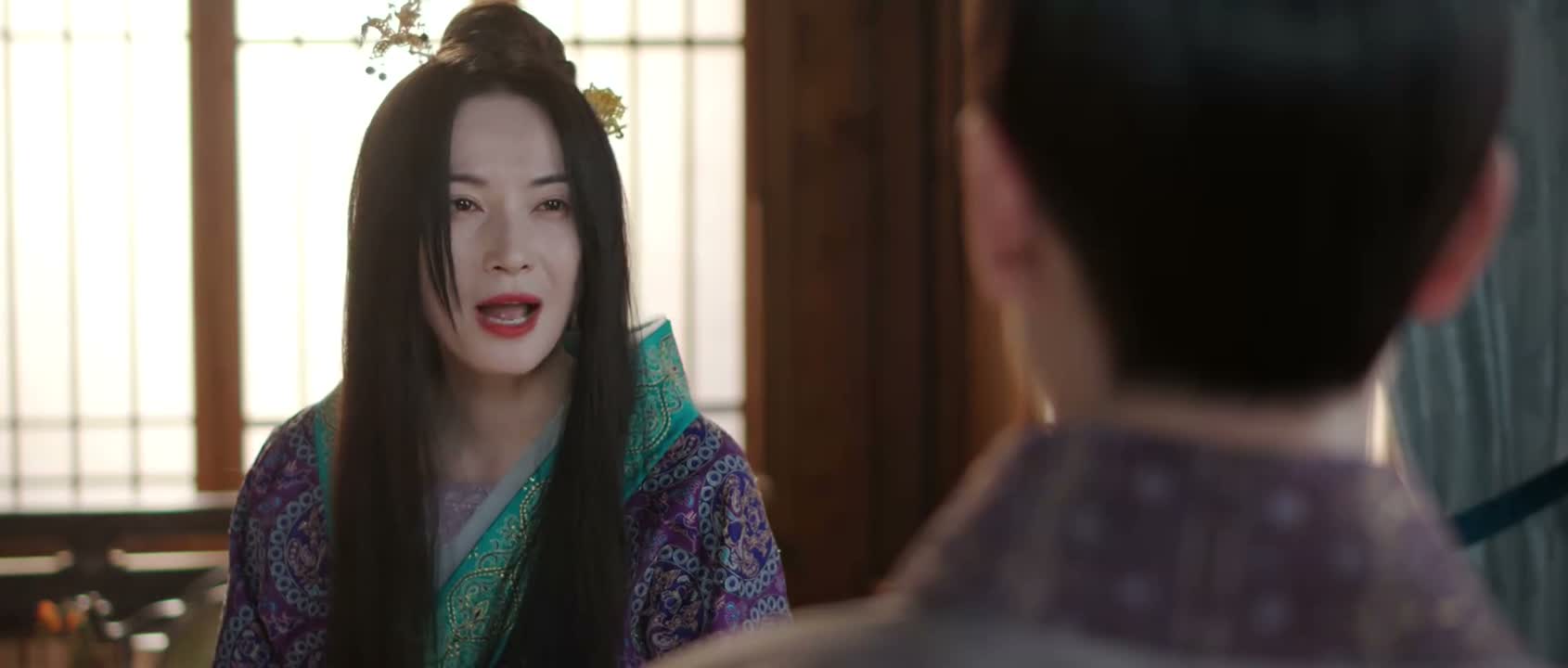
“How dare you call yourself her father?”