我与阿珣是两情相悦 与出身又有何干系?
“Father, Xun and I love each other. What's wrong with his origin?”
THE DIALOGUE REEL
阿爹
“Father, Xun and I love each other.”
我 与 阿珣是 两情相悦 与 出身又 有何干系 ?
“Father, Xun and I love each other. What's wrong with his origin?”
女儿不能嫁世家大族
“If I can't marry him,”
“You have no right to stop us just because of social class—our feelings should be enough.”
Traditional Chinese marital traditions strictly prioritized parity in family status and social class (门当户对) over individual romantic feelings, leading to classic generational clashes.
LEARNING CHUNKS & PARTICLES
mutual love and affection between two people
A classical four-character idiom frequently used in literary or period dramas to describe mutual, reciprocated romantic devotion.
what does it have to do with... / what relevance does it have
A rhetorical, formal literary pattern challenging the relevance or involvement of an external factor.
VOCABULARY & EXPRESSIONS
Parallel Spoken Cinema Scenes (语义近邻切片)
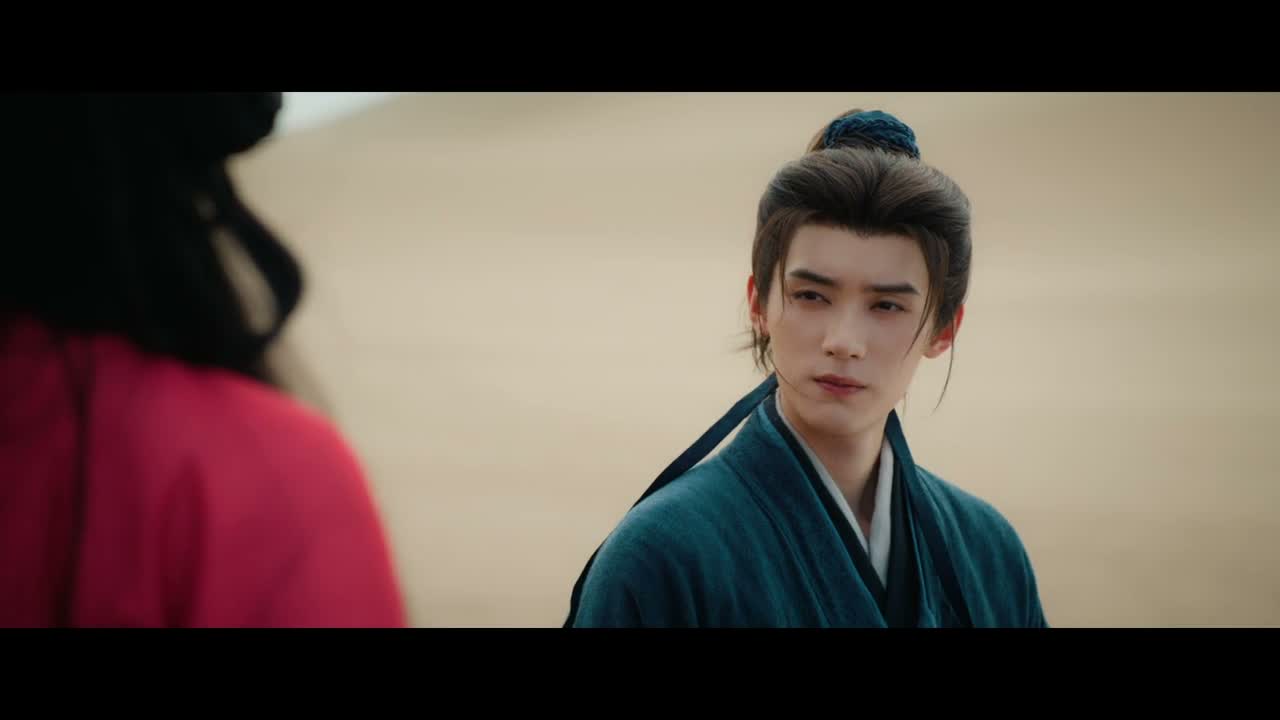
“You're like him. You both despise Xun.”
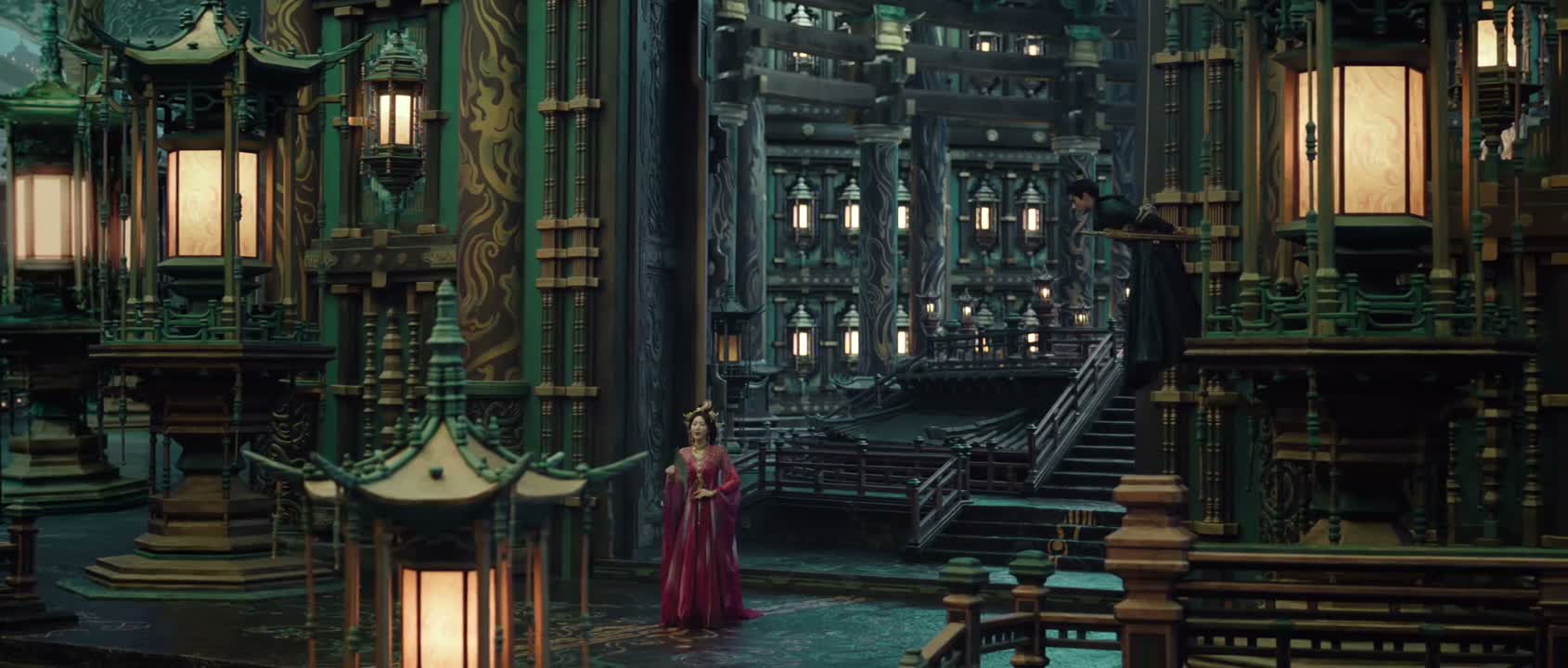
“I got on very well with them.”

“But now that she's become only like a sister to me,”
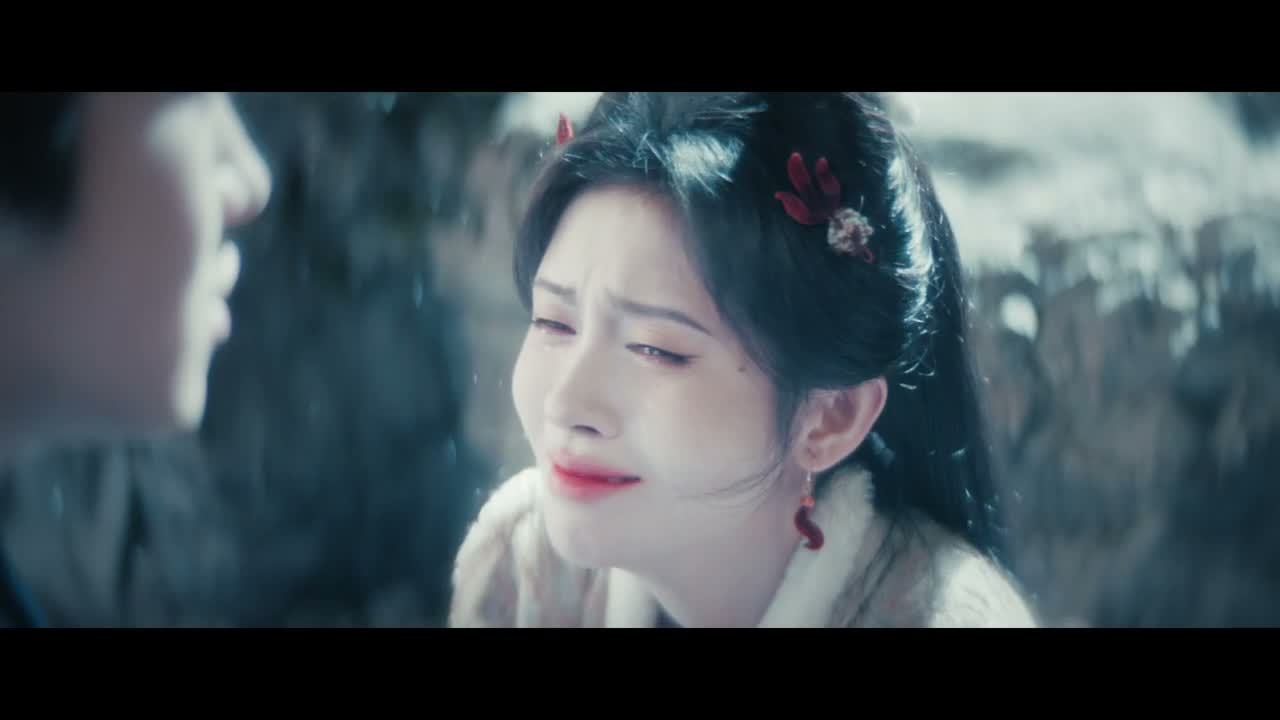
“I will always be with you.”
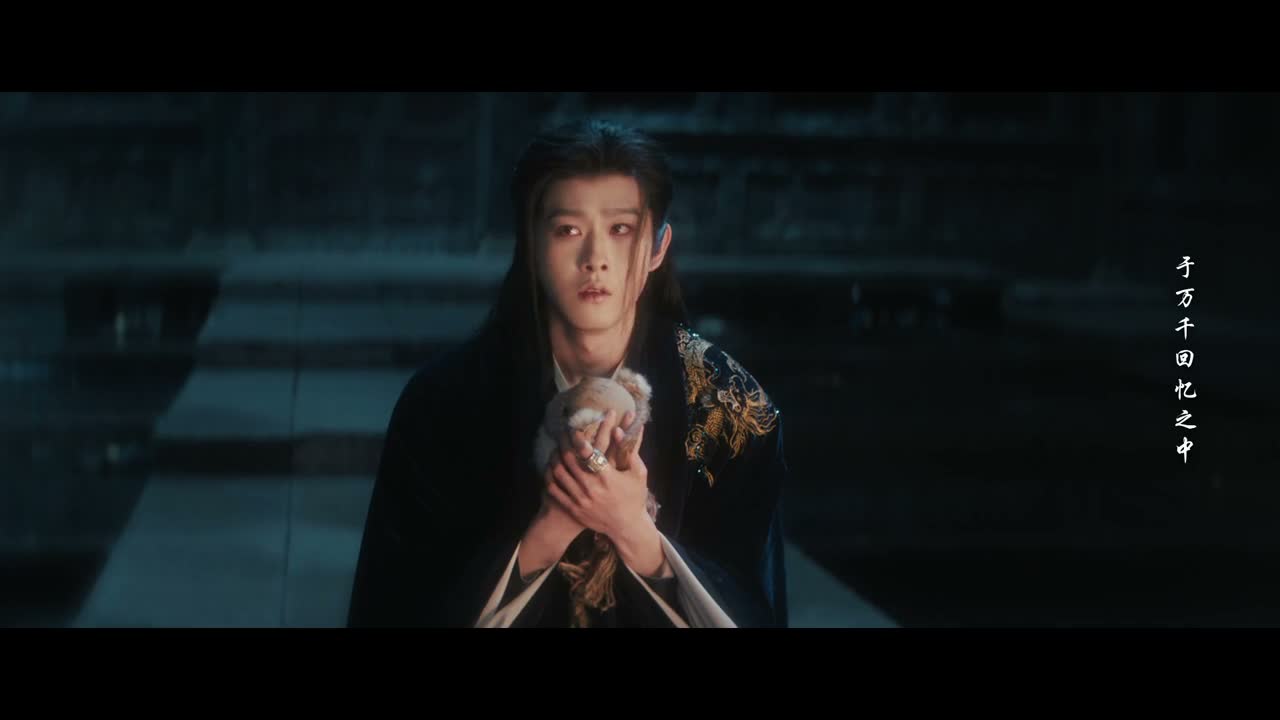
“I will always be with you.”
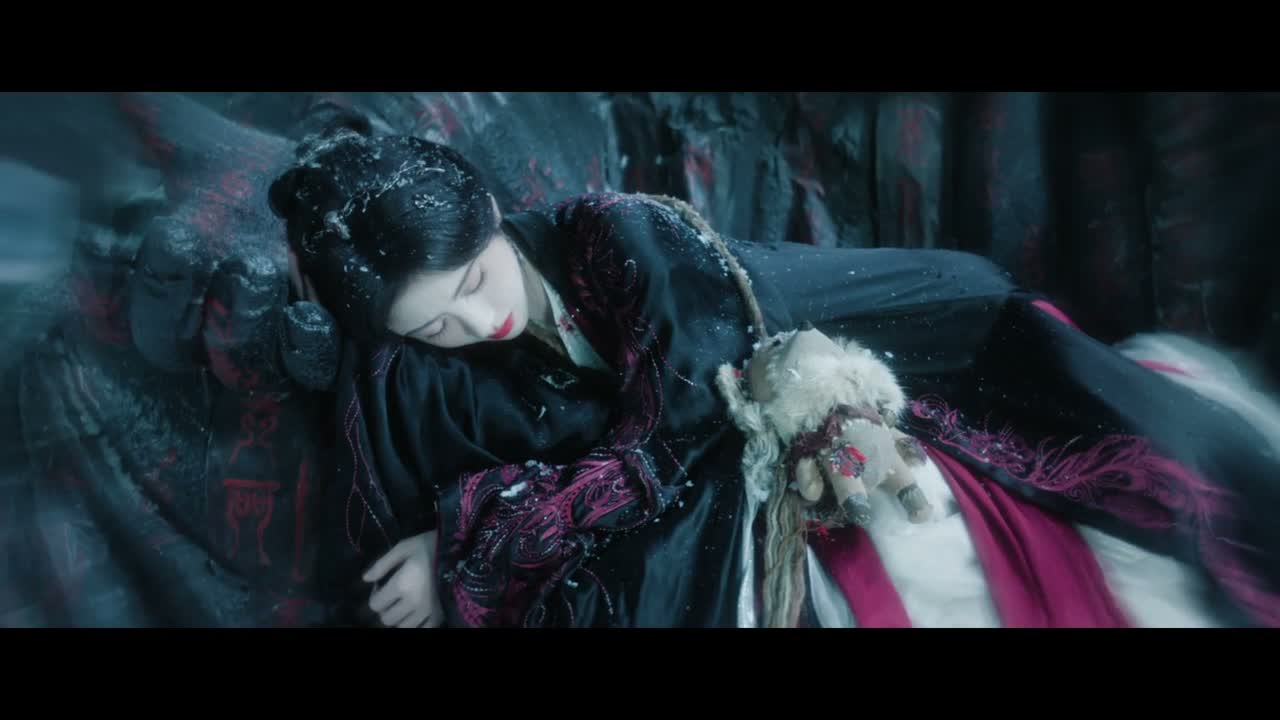
“I will always be with you.”