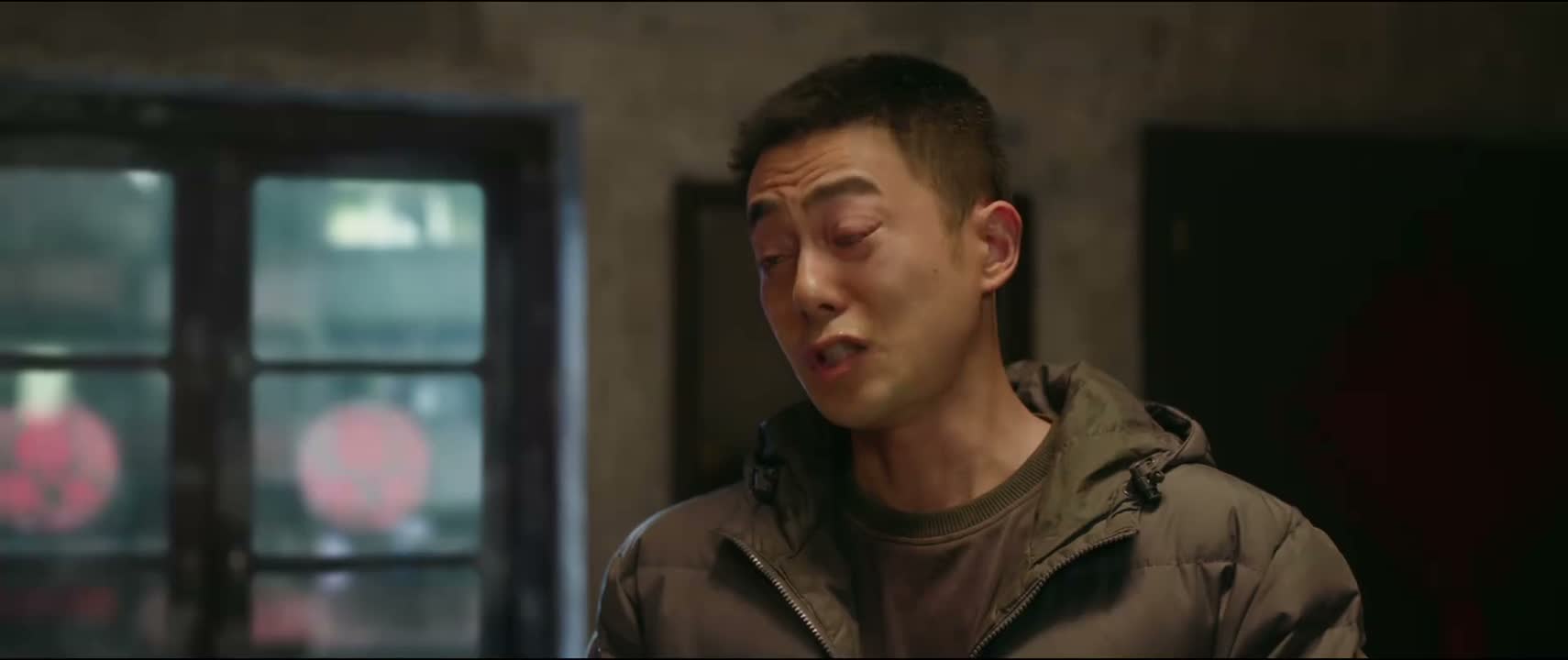
你们不要有什么事 都赖在我儿子头上好吧
“Don't falsely blame my son for everything.”
THE DIALOGUE REEL
登记一下
“and get more details.”
你们 不要 有什么事 都 赖在 我儿子 头上 好吧
“Don't falsely blame my son for everything.”
“He has been very well-behaved lately. He never sets foot outside.”
“Stop targeting my son every time there is trouble!”
Chinese parents often demonstrate extreme loyalty and defensiveness toward their children when approached by external authorities, attempting to guard family honor and protect their offspring from legal scrutiny.
LEARNING CHUNKS & PARTICLES
to unfairly pin the blame on someone; to scapegoat someone
A common spoken idiom used when someone is being unjustly held responsible for a problem or crime.
okay? / please, can we agree on this?
Placed at the end of an assertive sentence to add an exasperated plea or enforce compliance rather than asking a genuine question.
Softens the aggressive tone into an exasperated, rhetorical plea for reasonableness.
VOCABULARY & EXPRESSIONS
Parallel Spoken Cinema Scenes (语义近邻切片)

“I'm busy. Just say it here.”
“Would you really leave me and our kid?”

“Don't shoulder everything by yourself”

“don't cause trouble here.”

“If anything happens, you can always tell us. We will help you.”

“Anything else? You weren't like this before.”