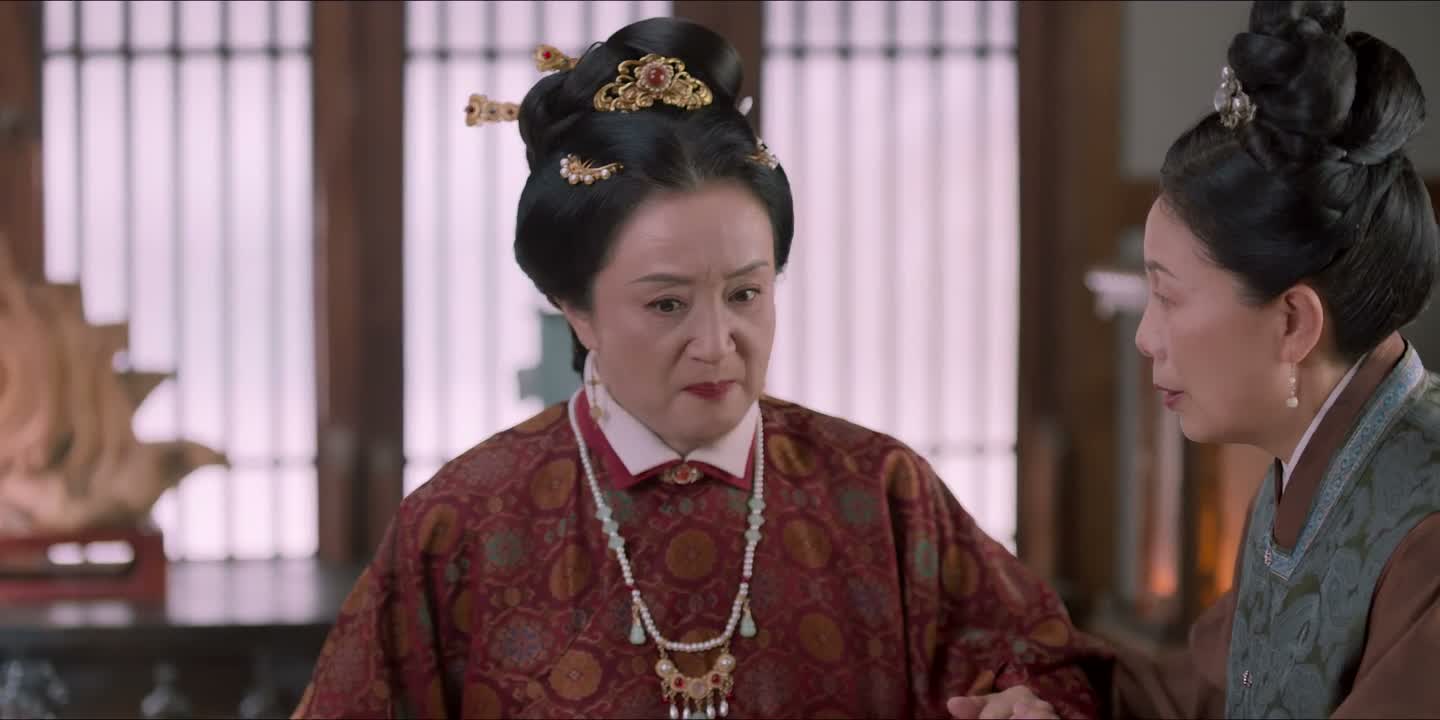
他们真当我的钱 是大风刮来的呀
“Do they think my money grows on trees?”
THE DIALOGUE REEL
“As for the follow-up, it depends on the provincial funding.”
他们 真当 我的钱 是 大风刮来的 呀
“Do they think my money grows on trees?”
不过
“But this is enough to scare off”
“I worked hard for this money, so stop expecting me to foot the bill endlessly.”
Invoking 'blown in by the wind' is a culturally ubiquitous retort in Chinese society to remind counterparties of personal sacrifice and financial boundaries.
LEARNING CHUNKS & PARTICLES
money grows on trees / blown in by the wind
Extremely common rhetorical idiom used in the negative to emphasize that money was hard-earned and must not be wasted.
really take (someone/something) as
Used to introduce an absurd misconception held by others with strong disdain.
Softens the rhetorical question while adding expressive indignation to highlight incredulity.
VOCABULARY & EXPRESSIONS
Parallel Spoken Cinema Scenes (语义近邻切片)

“So my words meant nothing to you?”

“Can you really harden your heart”

“Do you really think I'm asking for your permission?”
“Totally ignoring my words!”
“Do you really think I came here to eat?”

“Do we need to be the first to try it?”