《Go Ahead》 S1·E7 (18:27)
HSK 4
nǐ wèi shén me zǒng shì xǐ huān zài zì jǐ shēn shàng zhǎo yuán yīn
你为什么总是喜欢 在自己身上找原因
“But why do you always put the blame on yourself?”
《Go Ahead》
S1·E7
TIMECODE: 18:27
·
1080P MASTER AUDIO
THE DIALOGUE REEL
[-1] PREVIOUS TURN
zhè jiàn shì míng míng shì zi qiū zuò cuò le
“It was obviously Ziqiu's fault.”
nǐ wèi shén me zǒng shì xǐ huān zài zì jǐ shēn shàng zhǎo yuán yīn
CURRENT FOCUS
你 为什么 总是 喜欢 在自己身上找原因
“But why do you always put the blame on yourself?”
Subtitles synced to millisecond timecode
Browse Show Clips →
Scene:
Family & Home
Function:
QUESTIONING BEHAVIOR
Tone:
EXASPERATED
Emotion:
FRUSTRATION
WHAT THEY REALLY MEAN (PRAGMATIC SUBTEXT)
“Stop taking the blame for everything; this isn't your fault!”
💡 Cultural Insight: Internal Attributing and Guilt
Chinese culture frequently encourages self-reflection (fanxing), but doing so excessively in relationships can lead to unwarranted self-blame, which loved ones often try to actively correct.
INTENT TAGS:
#admonition
#comforting
#pointing_out_fault
#concern
🧩
1 CHUNKS · 0 PARTICLES
LEARNING CHUNKS & PARTICLES
在自己身上找原因
SPOKEN CHUNK
to look for fault in oneself / to self-reflect critically
A common phrase used when discussing whether someone tends to self-blame or self-examine after a problem occurs.
🏮
3 EXPR · 0 GRAMMAR
VOCABULARY & EXPRESSIONS
COLLOQUIAL EXPRESSIONS:
CROSS-CINEMA CORPUS BOARD · PARALLEL SCENES
EXPLORE BY SEMANTIC SIMILARITY
Parallel Spoken Cinema Scenes (语义近邻切片)
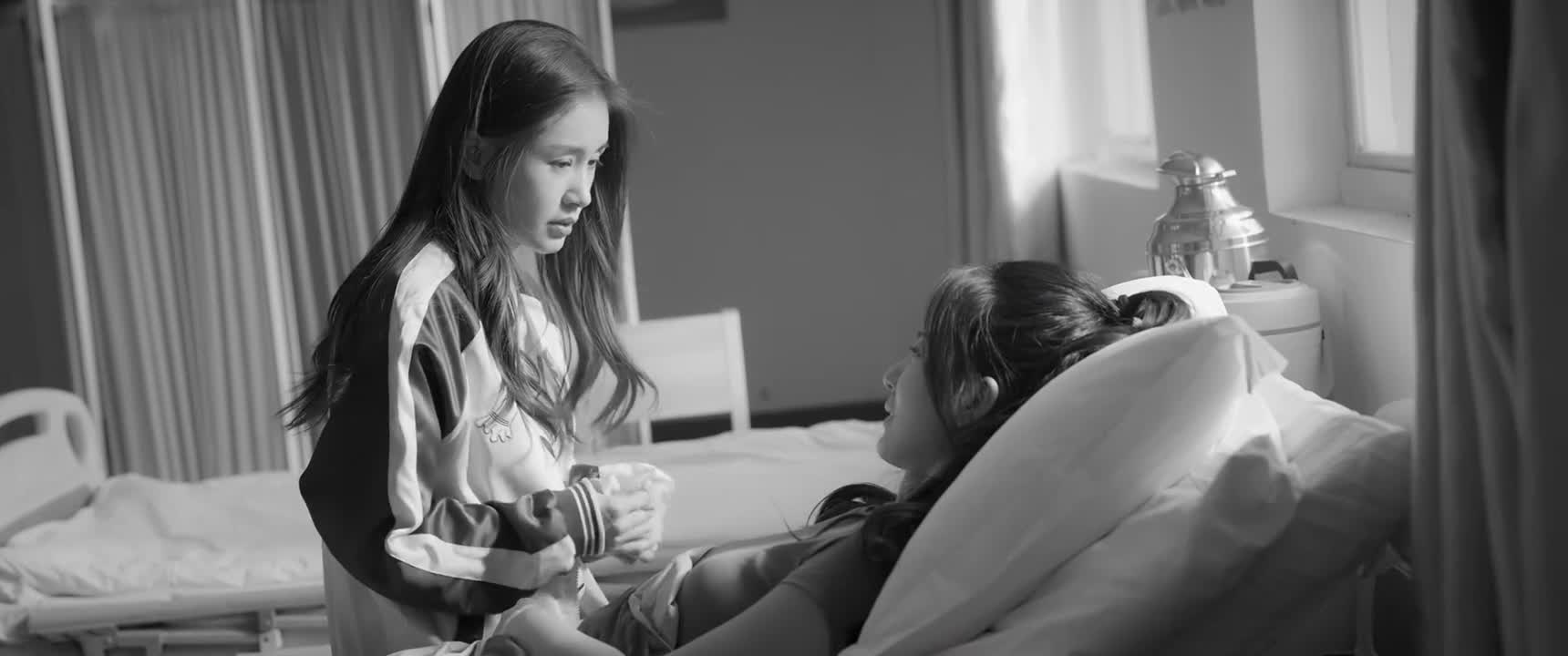

《Go Ahead》 S1·E7 (18:27) · Authentic Cinema Dialogue Corpus