天黑了它就会出来吃人的
“and they come out after dark to eat people.”
THE DIALOGUE REEL
“I've heard that the village is haunted by monsters,”
天黑了它就会 出来 吃人 的
“and they come out after dark to eat people.”
朗朗乾坤 哪有什么妖怪 就是 有我在
“In broad daylight, how could there be monsters? Exactly. With me here,”
Direct spoken expression in this communicative setting.
In Chinese folklore, nocturnal demons (yaoguai) embody the real dangers of traveling through wild, untamed territories after dark.
LEARNING CHUNKS & PARTICLES
it gets dark; night falls
Extremely frequent everyday phrase indicating nighttime or sunset.
man-eating; to eat people
Used literally for beasts and monsters, or figuratively to describe brutal, exploitative systems.
Indicates a conditional change of state when evening arrives.
Placed at the end of the sentence to express certainty and assertiveness about the prediction.
VOCABULARY & EXPRESSIONS
Parallel Spoken Cinema Scenes (语义近邻切片)
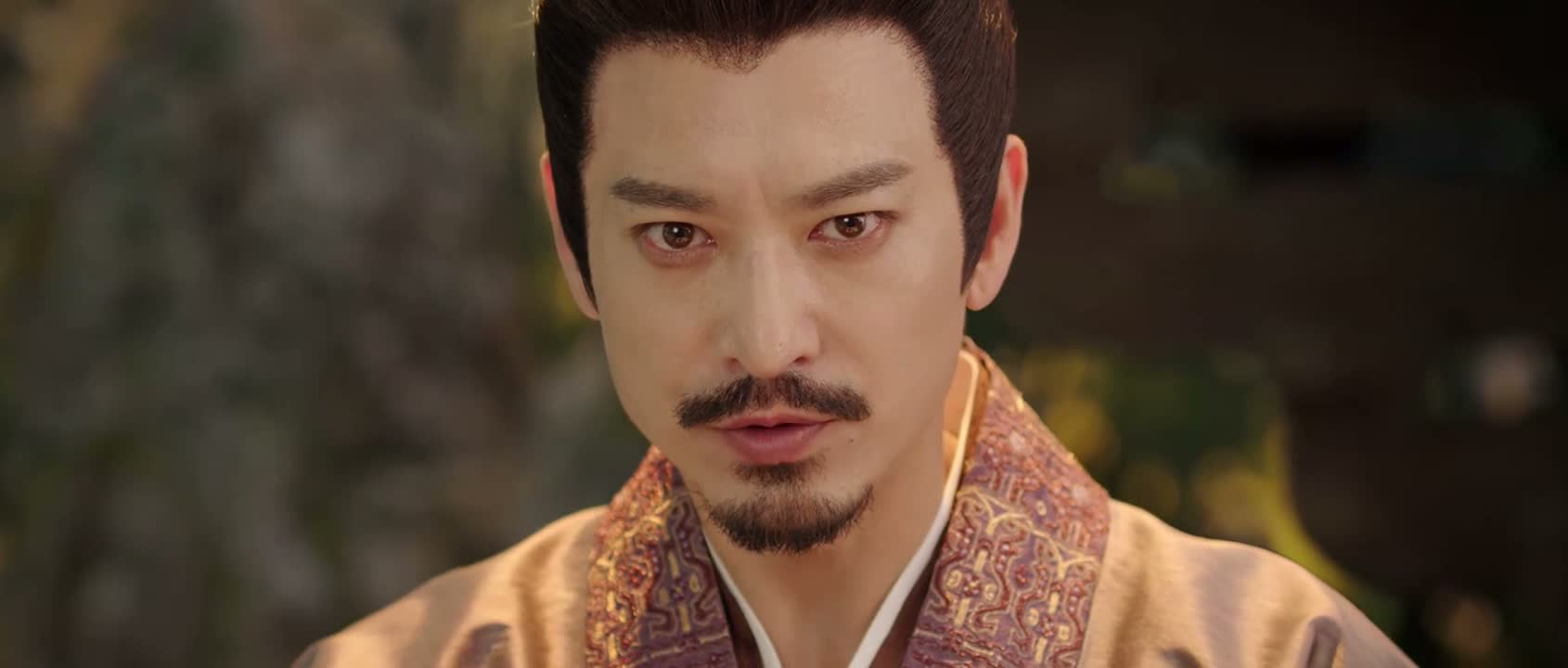
“always eats people.”
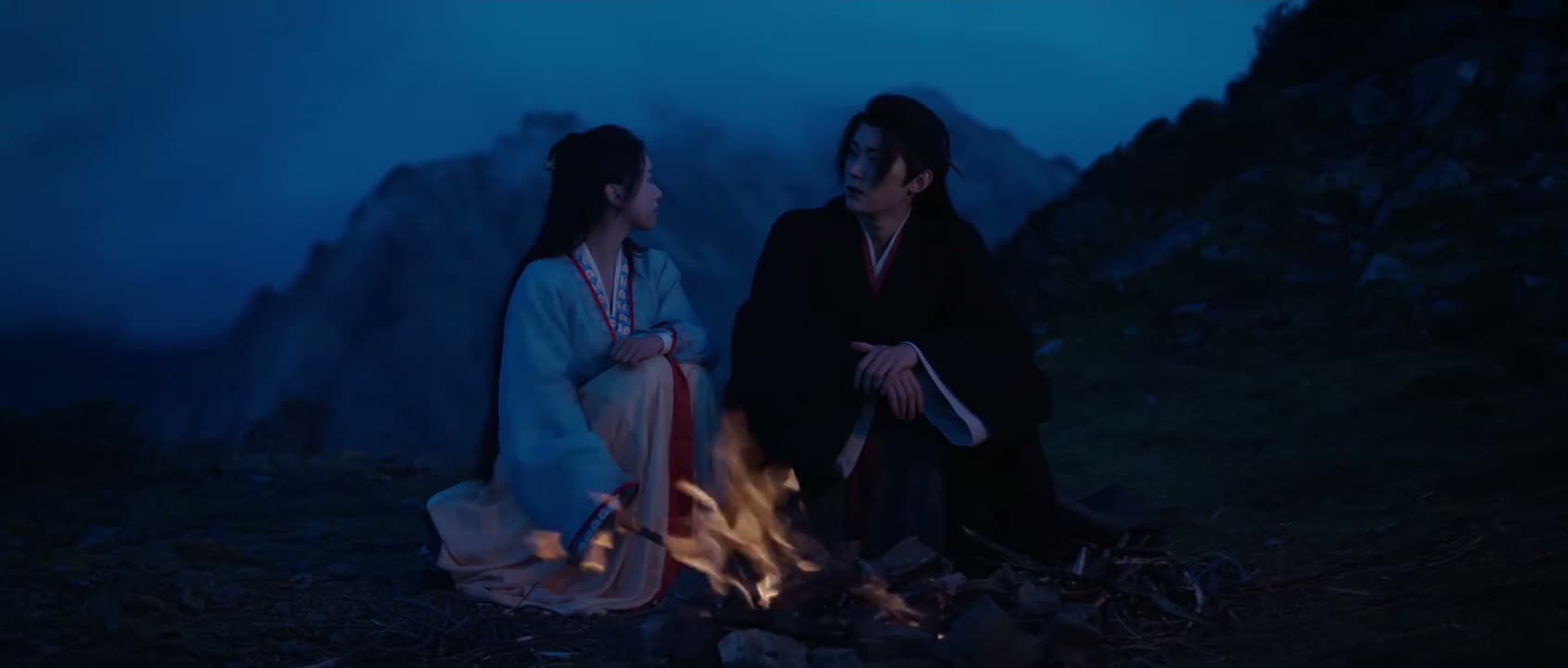
“There may be wild beasts at night.”
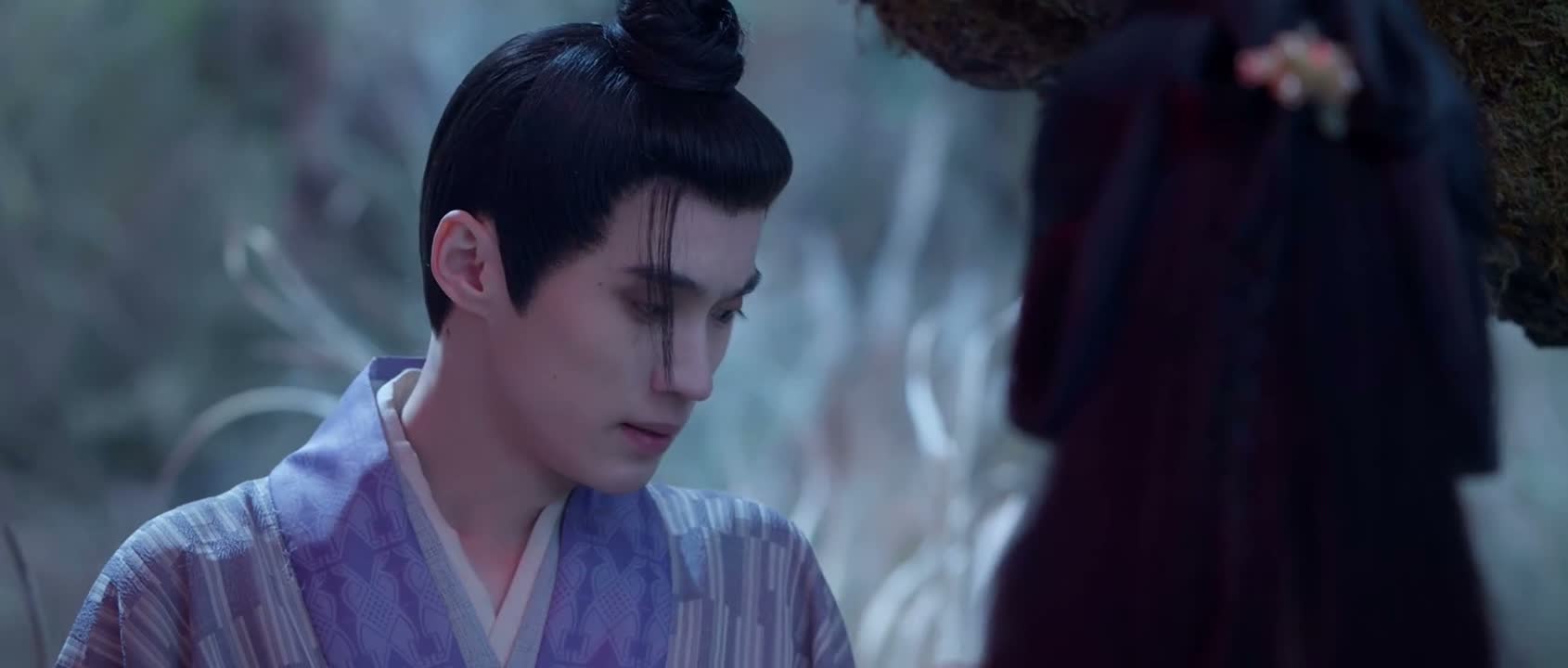
“It's almost dark.”

“I do feed on people, you know.”

“He needs to find some biting fighters”

“I went home and rest until it's dark.”