我走到今天这步 不能怪任何人
“I can't blame anyone for how I ended up today.”
THE DIALOGUE REEL
张院长
“Director Zhang,”
我走 到 今天 这步 不能怪 任何人
“I can't blame anyone for how I ended up today.”
“Ultimately, I only have myself to blame for making the wrong choice at a critical moment.”
Direct spoken expression in this communicative setting.
Accepting full accountability without blaming external factors is regarded as a dignified moral stance when facing unavoidable consequences in Chinese professional culture.
LEARNING CHUNKS & PARTICLES
to have ended up in this state / to reach this point
Used metaphorically to describe arriving at an unfortunate, critical, or irreversible life situation.
cannot blame anyone / have only oneself to blame
Standard idiomatic phrasing to declare personal accountability for one's current misfortune.
VOCABULARY & EXPRESSIONS
Parallel Spoken Cinema Scenes (语义近邻切片)

“Ending up like this,”
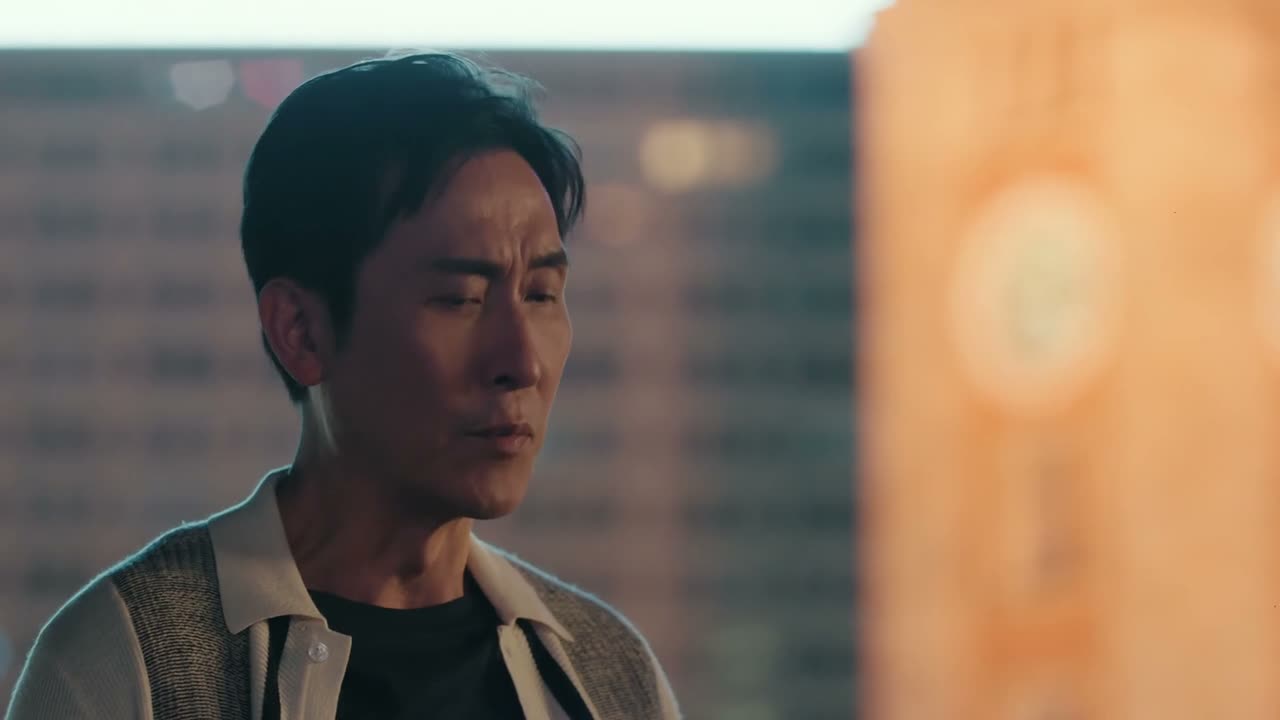
“that brought us to this point,”

“I pity that you've come to this point,”

“how would I have gotten here, step by step?”
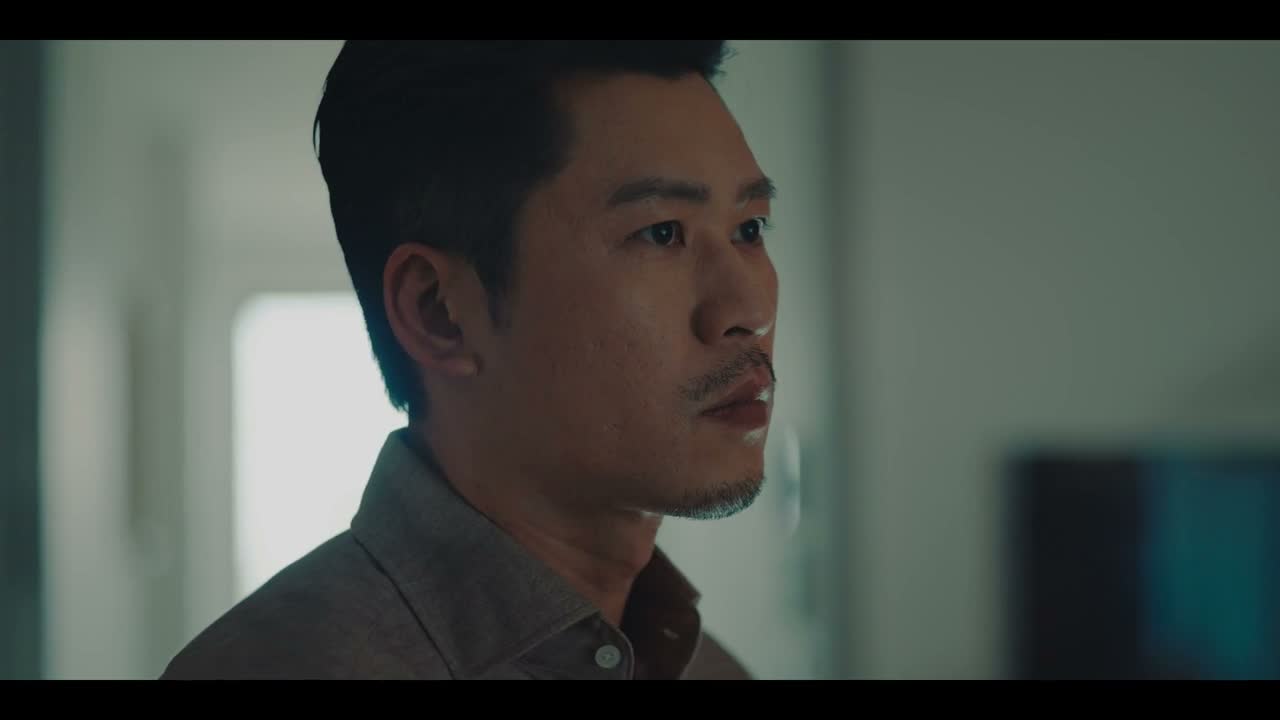
“We've come this far, and now you're scared?”

“It's so hard for us to get”