你画我干吗 不是你让我好好画吗
“Why me? You told me to draw.”
THE DIALOGUE REEL
我 我来画你
“I'll draw you.”
你 画我干吗 不是你让我 好好画 吗
“Why me? You told me to draw.”
我
“I...”
“Why are you focusing on me instead of minding your own business?”
Using a rhetorical question framed with negation is a typical conversational habit in spoken Chinese to deflect playful pressure.
LEARNING CHUNKS & PARTICLES
why; what for
A very common colloquial question word expressing mild challenge, confusion, or impatience.
draw properly / focus on drawing
Combining the reduplicated adjective with a verb means to perform the action earnestly and carefully.
Marks a rhetorical question that highlights perceived hypocrisy or contradiction.
VOCABULARY & EXPRESSIONS
Parallel Spoken Cinema Scenes (语义近邻切片)

“Why are you looking at me? Eat. Eat this.”

“What are you doing? What are you doing?”

“You... What are you doing?”

“Where are you going? Do you think I can explain myself right now?”

“What are you doing? I'm cooking here. And you can't cook.”
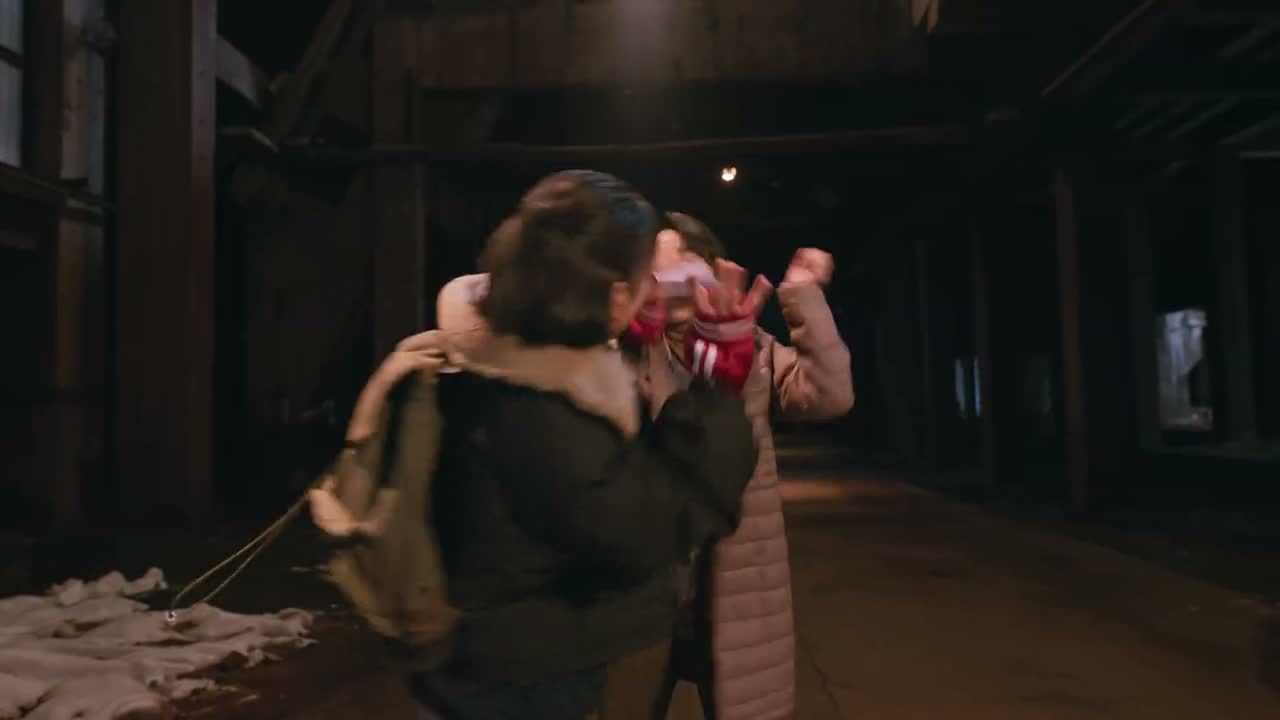
“What are you doing? Why are you hitting me?”