按说小姨 应该给你做顿饭的
“Actually, I should've made you a meal.”
THE DIALOGUE REEL
“I knew you had no time to cook. So I grabbed some takeout.”
按说 小姨 应该 给你 做顿饭 的
“Actually, I should've made you a meal.”
行 那中午吃这个吧 晚上娟儿姨 再给你炖骨头汤
“Fine. We'll have this for lunch. I'll make you bone broth tonight.”
“I feel bad that you had to buy boxed meals instead of me cooking for you as an elder should.”
In Chinese culture, a senior relative (like an aunt) feels a strong cultural duty to provide warm, home-cooked food to younger visitors; relying on takeout triggers polite embarrassment.
LEARNING CHUNKS & PARTICLES
ordinarily / by rights / in the normal course of things
Used at the start of a sentence to introduce what ought to happen according to common sense or etiquette before introducing an exception.
cook a meal
'Dun' is the verbal measure word for meals; this phrase is a core hospitality gesture in Chinese culture.
Placed at the end of the clause to strengthen the speaker's conviction regarding moral expectation.
VOCABULARY & EXPRESSIONS
Parallel Spoken Cinema Scenes (语义近邻切片)

“Your aunt just doesn't want you to get bullied. As long as you're safe.”

“Please handle this for me.”

“Auntie. This is the kid I told you about.”
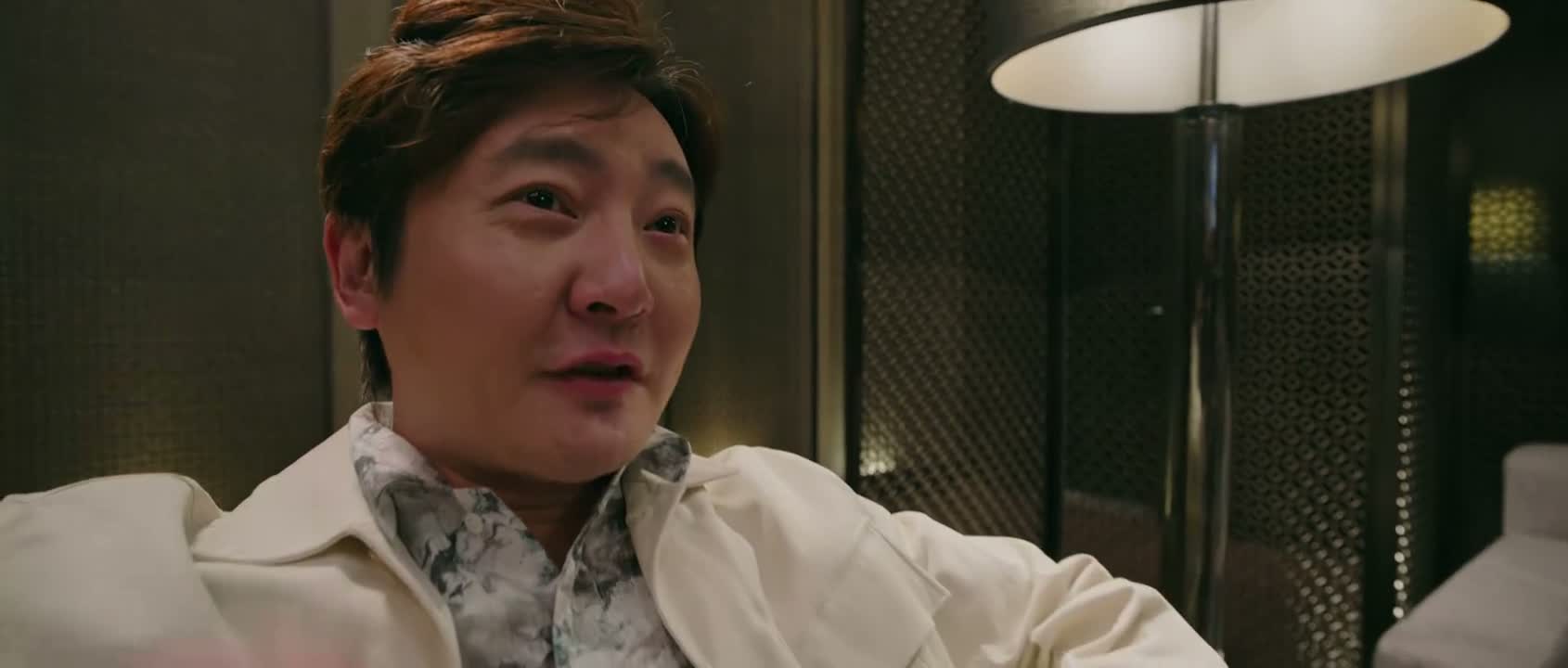
“Auntie, don't make a fuss over it.”

“are you going to deliver a meal to your uncle?”

“Have Ms. Liu cook her something nice. Look at you.”