小姨
xiǎo yíCommon spoken expression used by native Chinese speakers in daily life.
[Scene: 家庭日常]
(19 clips) 00:03
(要是有考军校的机会 一定要努力争取) ── Previous context
“Auntie, please give my regards to Principal Fang.”
 00:03
(怎么样 还不错吗) ── Previous context
“Alright then. Let's go. I'll go have a word with Auntie.”
 00:02
 00:03
(平时她照顾这房子) ── Previous context
“Auntie keeps this place pretty clean. She cleans it every day.”
 00:03
 00:02
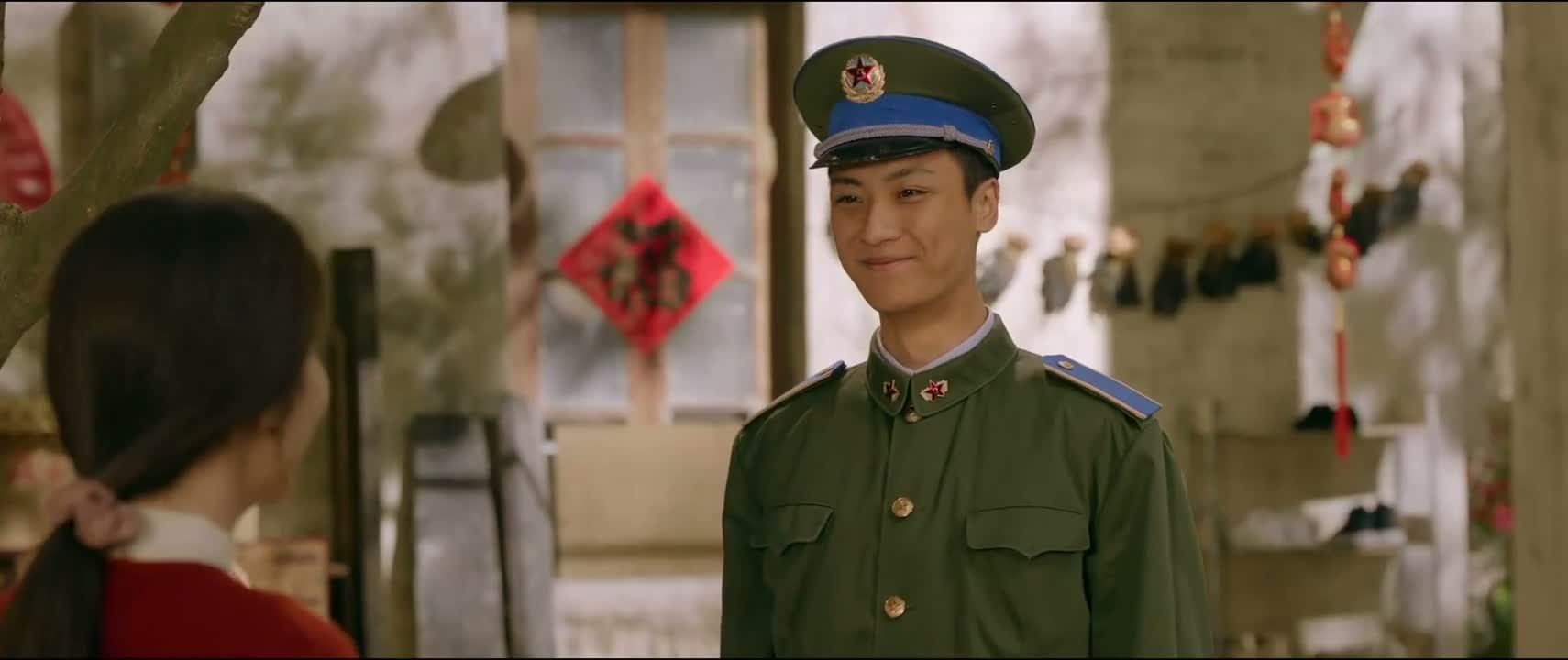 00:02
 00:02
 00:03
(婉之) ── Previous context
“This is inappropriate. I'm her aunt! I'm taking care of her!”
 00:03
(那也行) ── Previous context
“Your aunt just doesn't want you to get bullied. As long as you're safe.”
 00:02
 00:02
 00:03
(我可以找房东试试) ── Previous context
“She's not refusing to lend you money. She's just worried. Three hundred, right?”
 00:03
(咋还一直在那儿 待着不走啊) ── Previous context
“Zhao Jun, your aunt is very nice. Working for her is your best choice.”
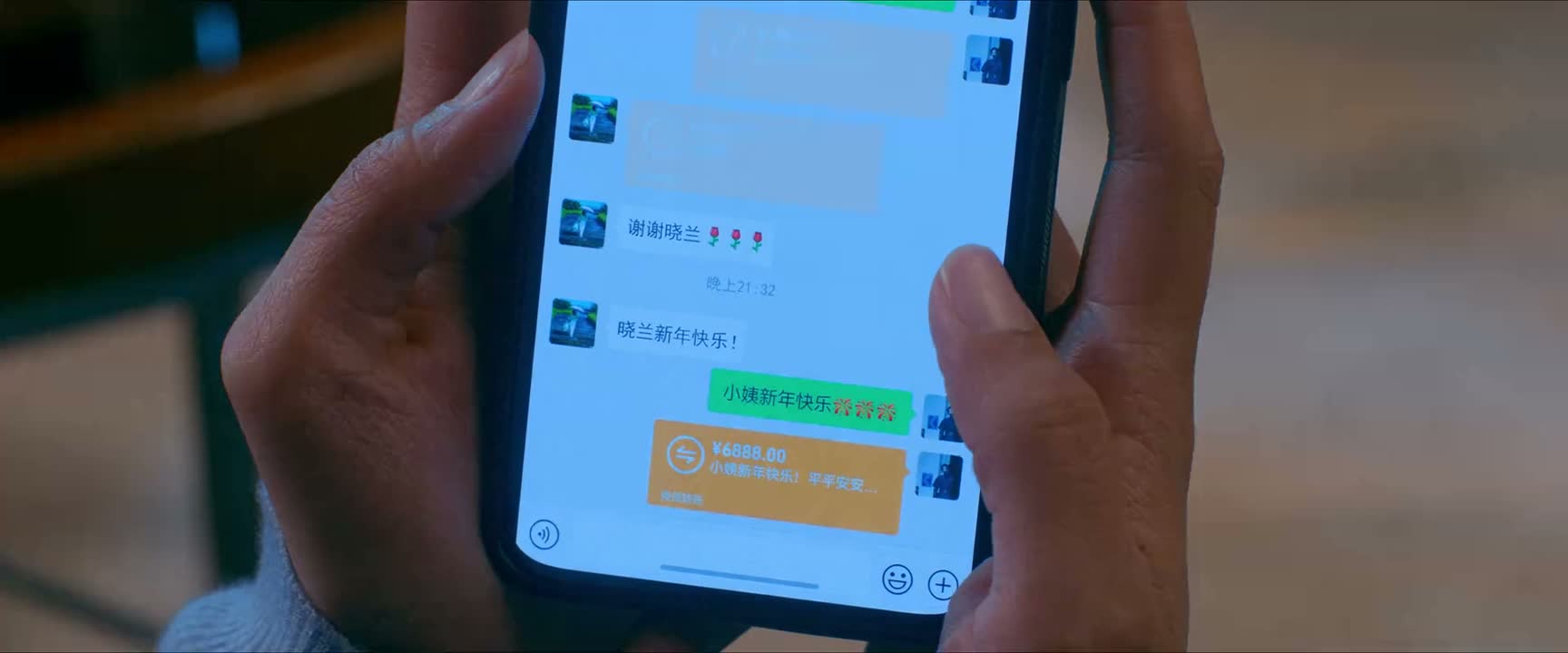 00:02
 00:02
 00:02
 00:03
 00:02
[Scene: 商务沟通]
(1 clips) 00:02
[Scene: 其他场景]
(1 clips) 00:03
(原来是你在这里搞的鬼 我说她为啥子 胆子这么大) ── Previous context
“So what if I am? I'm her aunt. Try bullying her again,”
[Scene: 其他场景]
(1 clips) 00:03
(一会儿) ── Previous context
“the kid settled. The two of us will go see her aunt.”
[Scene: 其他场景]
(1 clips) 00:02
[Scene: 社交聚会]
(1 clips) 00:03
(行了 赵俊啊) ── Previous context
“Just work with us. You won't affect your aunt. You're helping us.”
[Scene: 出行交通]
(1 clips) 00:02
📌 那行
→Nuance: 核心均为提议动身出发
📌 行吧
→Nuance: 同向近义词根配对: [我们 ↔ 咱们]
📌 赶紧
→Nuance: 核心均为提议动身出发
📌 怎么了
→Nuance: 均表达强硬承认是自己的态度
📌 是吧
→Nuance: 核心均表小姨担心/怕你出事
📌 反正
→Nuance: 核心均表小姨担心/怕你出事
📌 不是
→Nuance: 句式意图一致仅称谓替换
📌 就是我
→Nuance: 均表达强硬承认是自己的态度