这总不能空着手回去吧
“We can't just go back empty-handed.”
THE DIALOGUE REEL
这 总不能空着手回去吧
“We can't just go back empty-handed.”
找他要钱
“Asking him for money makes us look like we're making trouble.”
“We've spent all this time out here; we must extract something before we dare go back.”
Returning from a task or journey empty-handed carries a strong stigma of incompetence or loss of face in Chinese culture, compelling people to secure any gain possible.
LEARNING CHUNKS & PARTICLES
surely cannot / by no means should
Use this rhetorical construction to appeal to common sense or highlight an unacceptable outcome.
empty-handed
Commonly used when returning from a mission without results or visiting someone without a gift.
Solicits agreement from the interlocutor while softly asserting a rhetorical point.
VOCABULARY & EXPRESSIONS
Parallel Spoken Cinema Scenes (语义近邻切片)

“And you won't be if I don't come back?”

“I need to go back.”

“I'm not leaving this time.”
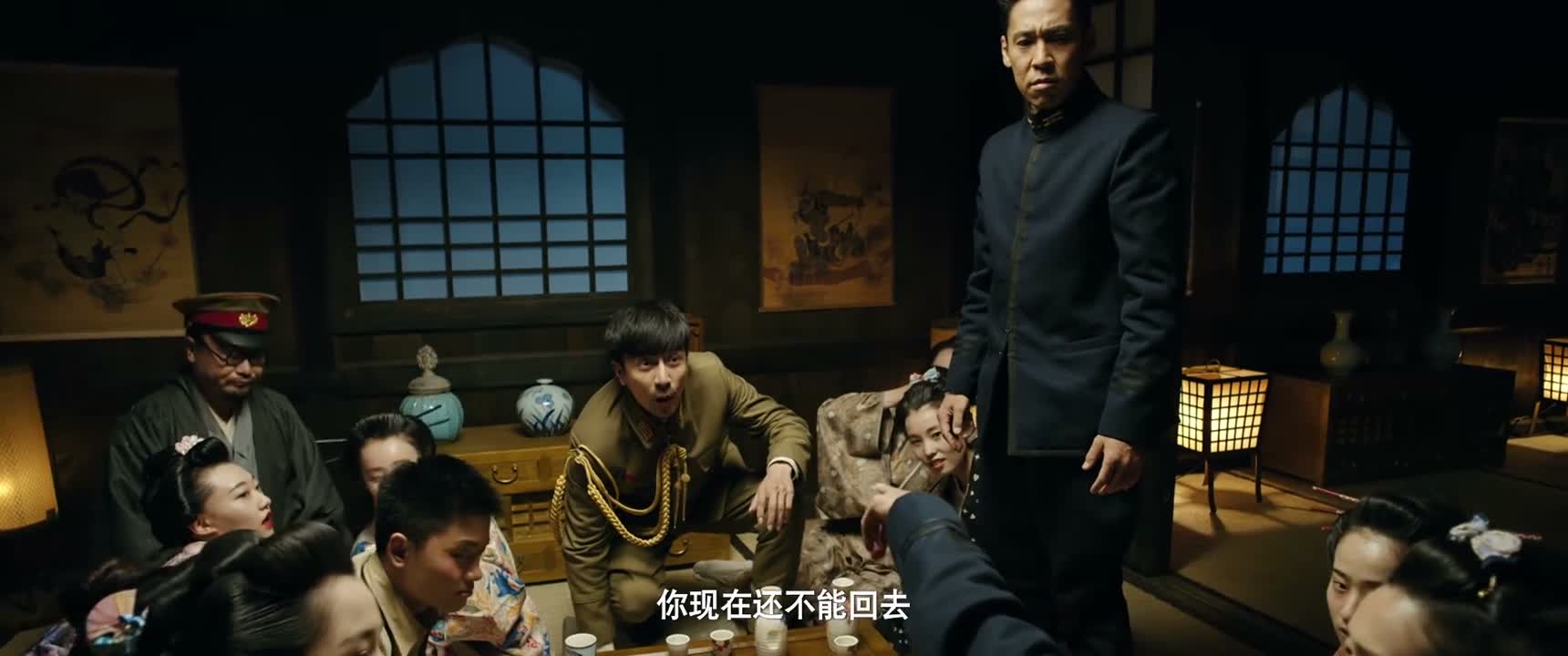
“You can't go back yet”

“Is there really no turning back?”

“I really can't go back now.”