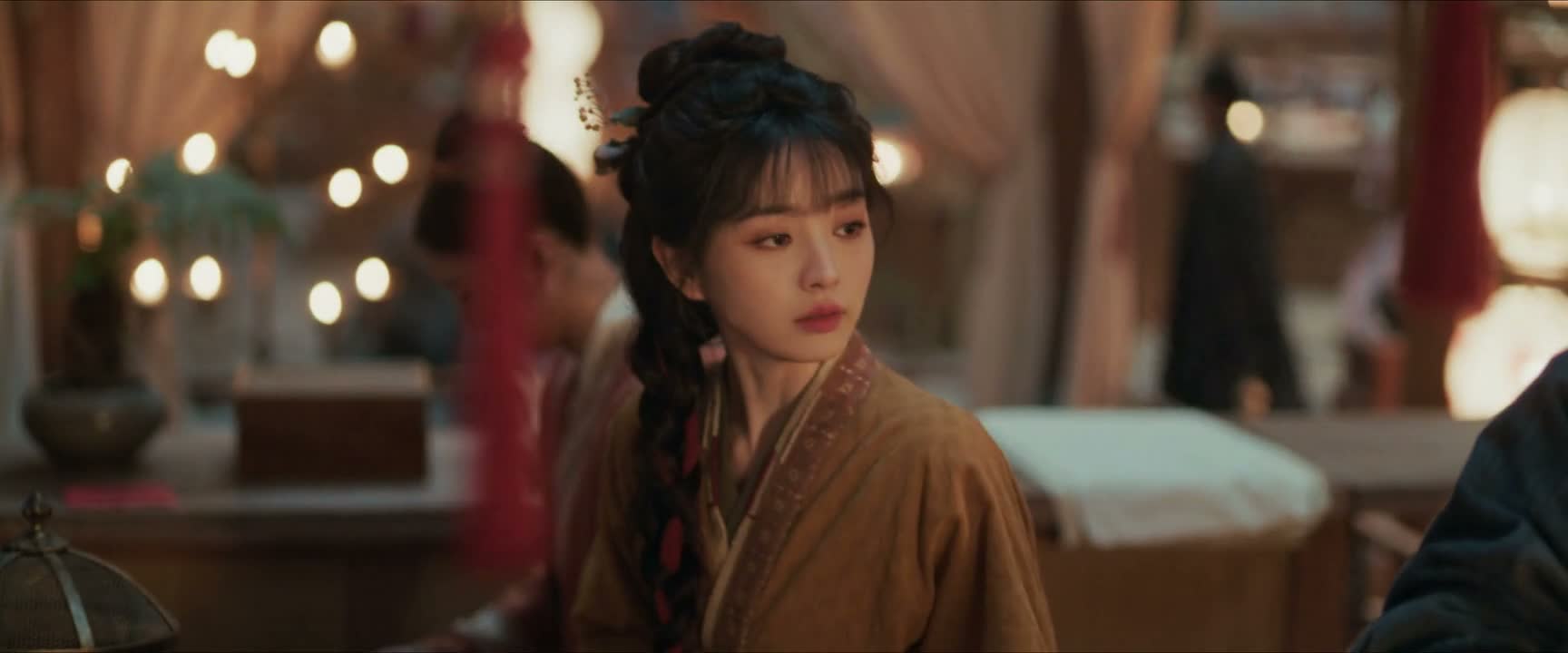
这就是你的不对了 知道吗
“that's your fault. You know?”
THE DIALOGUE REEL
我知道你着急 但若你总是想着 把我摔下来自己走
“I know you're in a hurry, but if you always think about throwing me off and walking by yourself,”
这就是 你的不对 了 知道吗
“that's your fault. You know?”
“If you do this again next time,”
Direct spoken expression in this communicative setting.
Phrasing blame as 'not correct' (不对) frames the scolding as an objective appeal to universal fairness and propriety rather than a mere emotional attack.
LEARNING CHUNKS & PARTICLES
your fault; you are in the wrong
A very common conversational way to gently or directly place blame on someone without using overly formal legal terms.
you know?; do you understand?
Appended to the end of a scolding or advice to enforce agreement or ensure comprehension.
Marks a newly realized state or categorical conclusion that a boundary of correctness was crossed.
Transforms the admonishment into a rhetorical confirmation tag.
VOCABULARY & EXPRESSIONS
Parallel Spoken Cinema Scenes (语义近邻切片)

“That's exactly the problem. You're always right. Completely right.”

“If you feel something is wrong, you can say it.”
“You weighed this wrong.”

“Yes, I think it's wrong. What's wrong? Tell me.”

“You did something wrong, you know?”

“I knew something was off with you.”