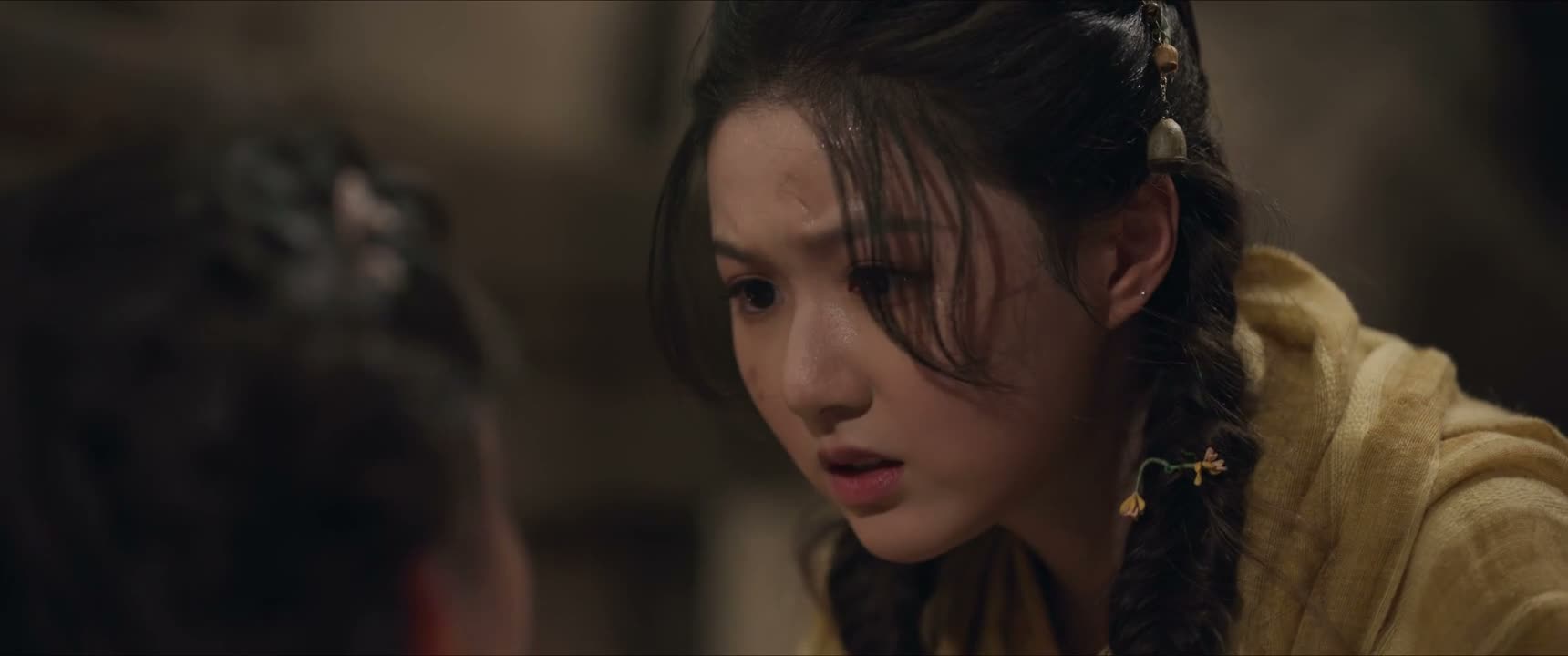
《The Heir》 S1·E36 (28:34)
HSK 6
hái shì tài wēi xiǎn le rú guǒ dōng jiā zài zhè ér yě bú huì ràng nín qù mào
还是太危险了 如果东家在这儿 也不会让您去冒
“It's still too dangerous. If Master were here, he wouldn't let you risk—”
《The Heir》
S1·E36
TIMECODE: 28:34
·
1080P MASTER AUDIO
THE DIALOGUE REEL
[-1] PREVIOUS TURN
bù xíng
不行
“No.”
hái shì tài wēi xiǎn le rú guǒ dōng jiā zài zhè ér yě bú huì ràng nín qù mào
CURRENT FOCUS
还是 太危险了 如果 东家 在这 儿 也不会 让您去冒
“It's still too dangerous. If Master were here, he wouldn't let you risk—”
[+1] FOLLOW-UP TURN
zhè shì wǒ wéi yī de jī huì le
这是我唯一的机会了
“This is my only chance.”
Subtitles synced to millisecond timecode
Browse Show Clips →
Scene:
Crisis & Conflict
Function:
DISSUADING
Tone:
PLEADING
Emotion:
ANXIETY
WHAT THEY REALLY MEAN (PRAGMATIC SUBTEXT)
“Don't be reckless; you are crossing the line and even our boss wouldn't approve.”
💡 Cultural Insight: Appealing to Higher Authority (搬出东家)
In Chinese interpersonal conflict, subordinate speakers often invoke the authority of a shared patron or superior ('东家') to add weight to their advice without seeming insolent.
INTENT TAGS:
#dissuasion
#warning
#appeal_to_authority
#risk_aversion
🧩
2 CHUNKS · 1 PARTICLES
LEARNING CHUNKS & PARTICLES
太危险了
SPOKEN CHUNK
too dangerous
A straightforward way to warn someone against reckless behavior.
东家
SPOKEN CHUNK
boss / master / employer
A traditional or historical term for an employer, master, or owner of a business.
Modal Particle「了」 (le)
CHANGE OF STATE
Marks an existing state of excess danger, reinforcing the speaker's assessment.
🏮
4 EXPR · 1 GRAMMAR
VOCABULARY & EXPRESSIONS
COLLOQUIAL EXPRESSIONS:
GRAMMAR BLUEPRINTS:
CROSS-CINEMA CORPUS BOARD · PARALLEL SCENES
EXPLORE BY SEMANTIC SIMILARITY
Parallel Spoken Cinema Scenes (语义近邻切片)
《The Heir》 S1·E36 (28:34) · Authentic Cinema Dialogue Corpus