你就不应该 教张扬开车 那也是你同意的
“You shouldn't have taught Zhang Yang to drive! You agreed to it!”
THE DIALOGUE REEL
扎西在家里半夜跑了 你都不知道 你还说我们
“Tashi ran away at midnight, and you didn't even know. How can you blame us?”
你 就不应该 教 张扬 开车 那 也是 你 同意 的
“You shouldn't have taught Zhang Yang to drive! You agreed to it!”
你当时怎么不说
“Why didn't you say something back then?”
“Do not pin this entirely on me when you approved of it too.”
In high-stress family conflicts, Chinese speakers frequently invoke prior mutual consent to counter unilateral finger-pointing and preserve equal footing.
LEARNING CHUNKS & PARTICLES
really should not have
Used to express strong hindsight regret or to rebuke someone for a prior decision.
you also agreed to it
A common rebuttal phrase used to defend oneself by sharing responsibility.
Emphasizes the established fact of the listener's past consent.
VOCABULARY & EXPRESSIONS
Parallel Spoken Cinema Scenes (语义近邻切片)
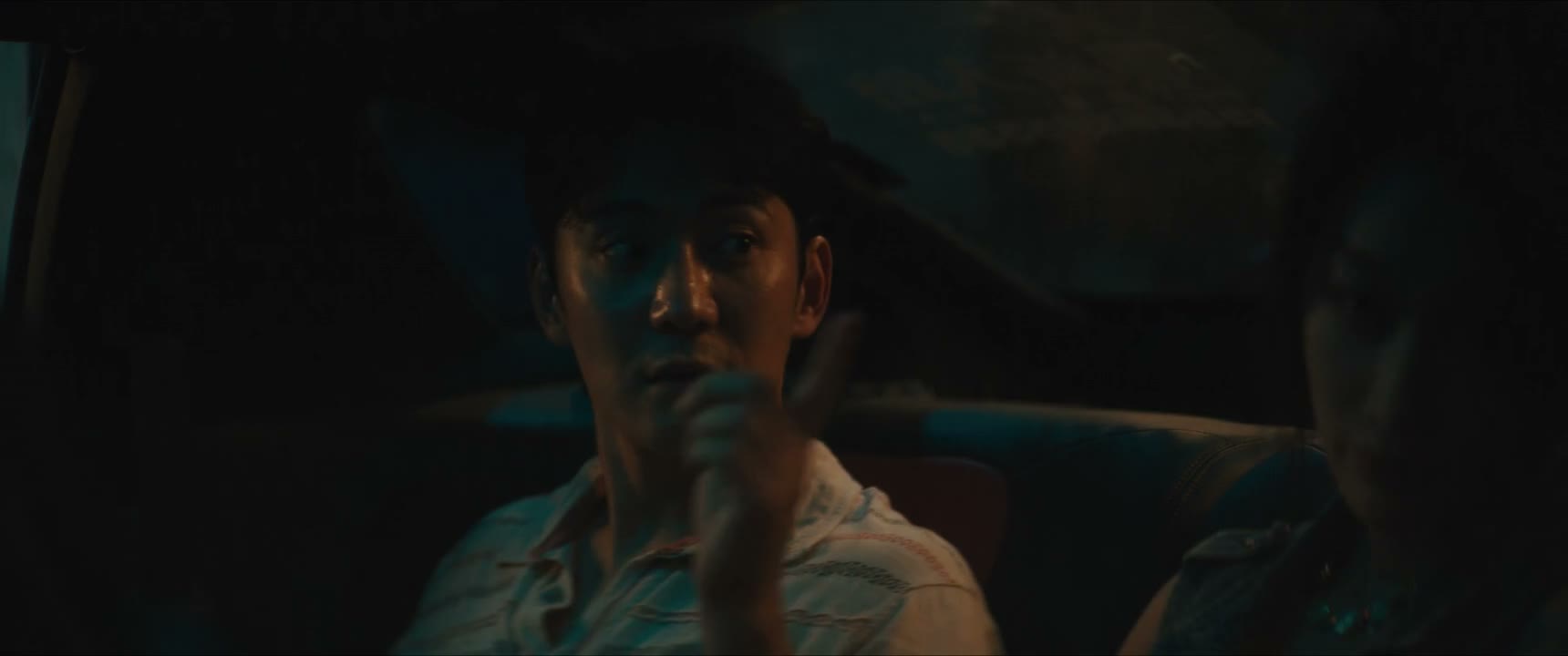
“Don't tell anyone about the car.”

“you shouldn't have gotten into my car.”

“And then you'll tell me to quit driving and come back to writing. Did I get it right?”

“No need. I think that it's fine.”
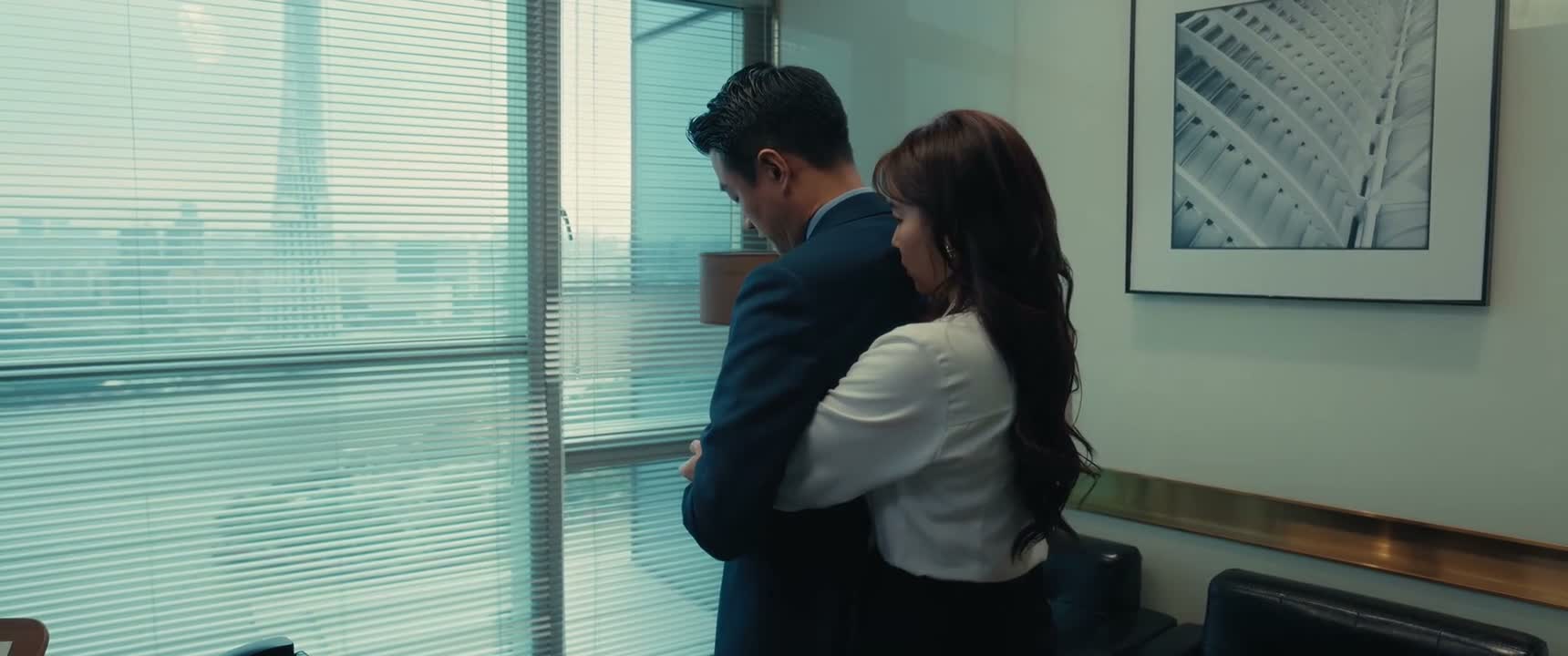
“I shouldn't have acted on my own.”

“You drove out of town as soon as you got in the car. What are you trying to do?”