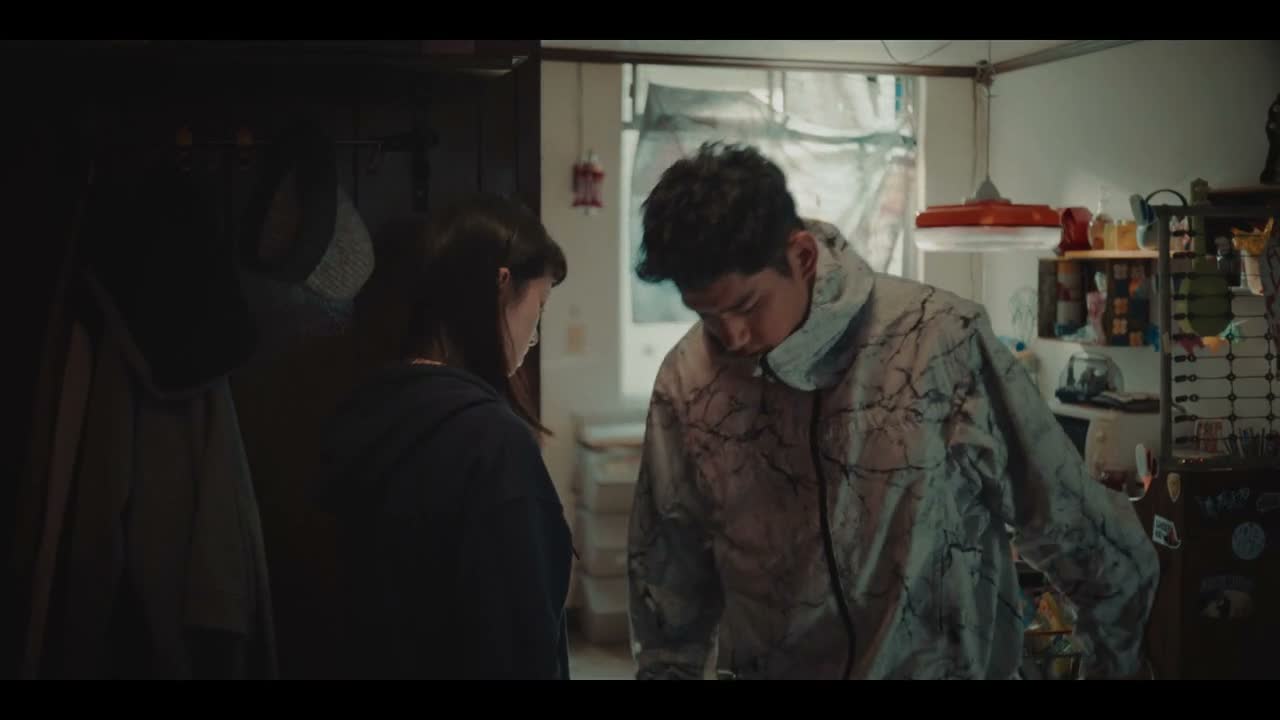
我不应该自作主张 不听你的话
“I shouldn't have acted on my own.”
THE DIALOGUE REEL
你错哪儿了
“Be more specific.”
我 不应该 自作主张 不 听你的 话
“I shouldn't have acted on my own.”
我现在明白了
“I understand now.”
“I admit I was wrong so you'll stop being angry with me.”
When pressured by a superior or elder with 'What did you do wrong?', Chinese social etiquette requires explicit articulation of one's missteps rather than a generic apology to restore harmony.
LEARNING CHUNKS & PARTICLES
acting on one's own initiative without permission
A common four-character idiom used pejoratively to describe overstepping authority or ignoring advice.
not listening to ... words / advice
Commonly used in interpersonal apologies to acknowledge defiance against someone in authority.
VOCABULARY & EXPRESSIONS
Parallel Spoken Cinema Scenes (语义近邻切片)

“I should not have decided on my own”

“I shouldn't make you feel uncomfortable.”

“I shouldn't have treated you that way.”

“You're taking matters into your own hands again.”
“I really shouldn't have volunteered”

“I shouldn't have said those things to you.”