你来了多少次了
“How many times have you come?”
THE DIALOGUE REEL
哥
“Desheng.”
你 来了多少次 了
“How many times have you come?”
“Every time you just stood at the door without coming in.”
“Why do you keep hesitating outside instead of just coming in to tell me what you want?”
In Chinese social culture, lingering at the door rather than entering reflects an internal struggle between needing help and the fear of imposing or causing inconvenience (怕添麻烦).
LEARNING CHUNKS & PARTICLES
how many times already
Used to highlight repetitive behavior, often carrying a mild tone of teasing, bewilderment, or exasperation.
Signals change of state or accumulation over time, highlighting that the visits have occurred repeatedly.
VOCABULARY & EXPRESSIONS
Parallel Spoken Cinema Scenes (语义近邻切片)
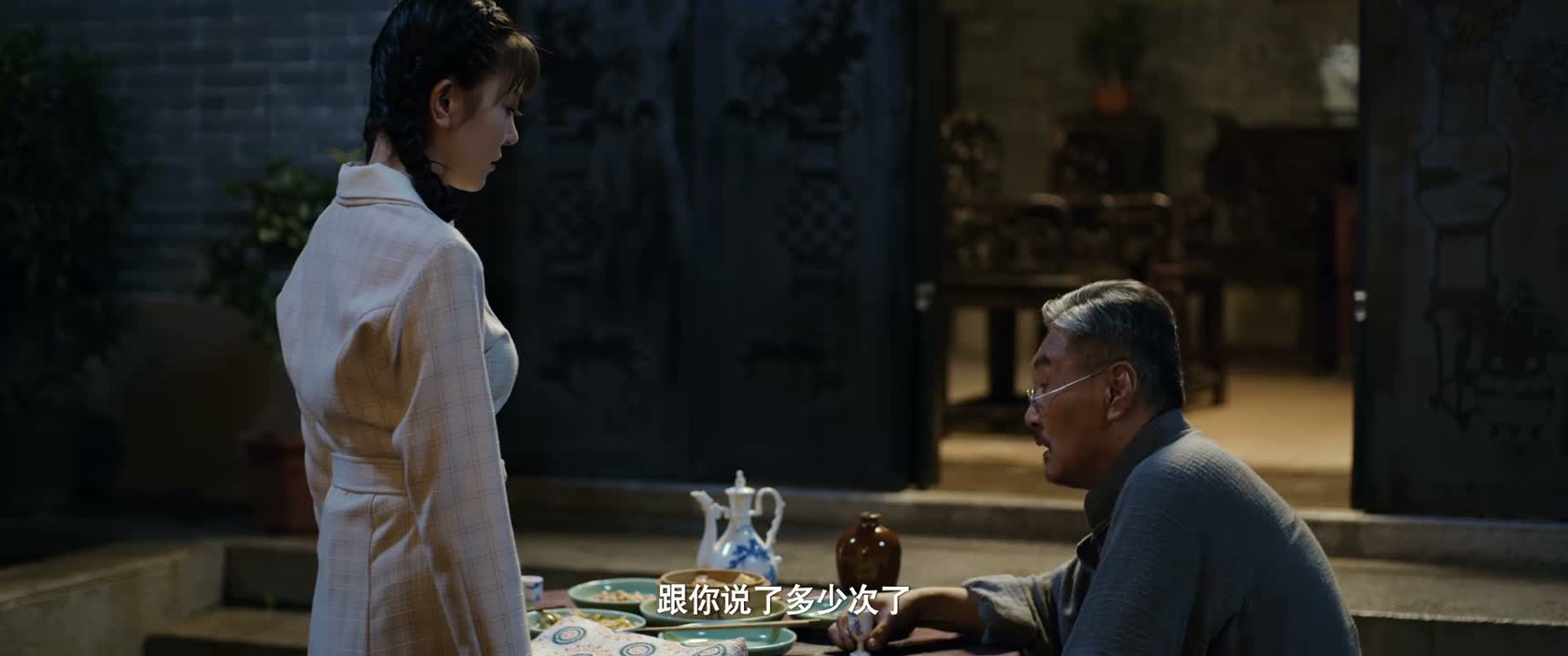
“How many times have I told you?”

“How many times must I tell you?”

“Why are you here?”
“How many times have I said this?”

“How many times have I told you?”

“I've told you so many times.”