你不是住南沙了吗
“Aren't you staying in Nansha?”
THE DIALOGUE REEL
别开灯
“Don't turn it on.”
你 不是住南沙了吗
“Aren't you staying in Nansha?”
你怎么还没睡
“Why aren't you asleep?”
“What on earth are you doing here in the dark? You are supposed to be living far away.”
Chinese speakers frequently use negative rhetorical framing ('你不是……吗') rather than direct questions ('你怎么在这里') to highlight a sharp mismatch between expectations and reality.
LEARNING CHUNKS & PARTICLES
didn't [someone] already...?
A rhetorical grammatical pattern used to confirm a prior belief when confronted with contradictory reality.
Marks the completed change of status or location (moving to Nansha).
Turns the statement into a rhetorical confirmation question expressing disbelief.
VOCABULARY & EXPRESSIONS
Parallel Spoken Cinema Scenes (语义近邻切片)

“Didn't she go to Nanyang?”

“You're not from Guangzhou, are you?”
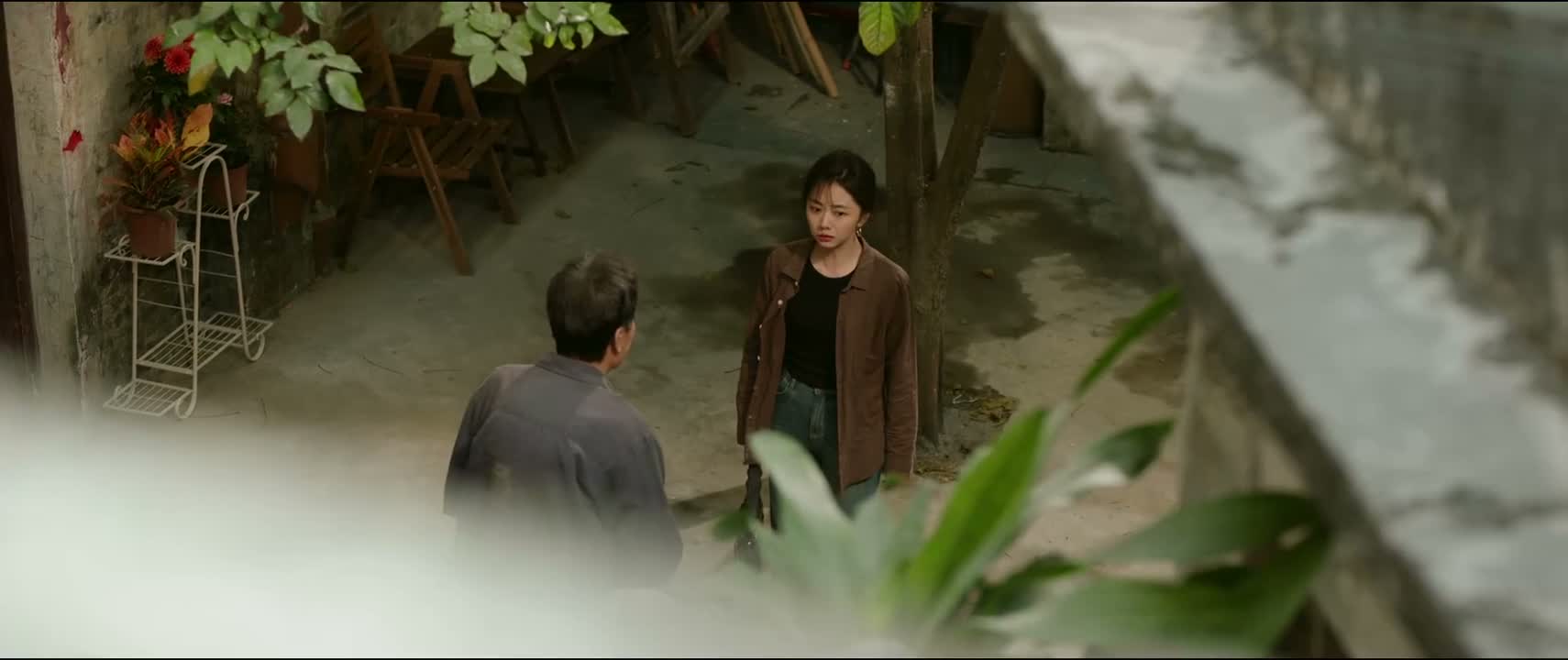
“Where do you live? Nowhere.”

“You're not staying at a friend's place, are you?”

“You won't be staying here during this time?”

“I live in Singapore now.”