我在这儿 表演什么做题啊 就以前常玩那个
“Why would I solve a math problem here? We used to solve math problems like...”
THE DIALOGUE REEL
“Well, show her by solving a math problem.”
我在这儿 表演什么做题啊 就 以前 常玩 那个
“Why would I solve a math problem here? We used to solve math problems like...”
记得吧 鸡兔同笼 对嘛 鸡兔同笼 来 六个头
“-Do you remember? -Chicken and rabbits in the same cage. Right. Come on. Six heads.”
Direct spoken expression in this communicative setting.
Math problems like 'chickens and rabbits in one cage' are ubiquitous classic riddles in Chinese primary education, often invoked jokingly among adults as nostalgia.
LEARNING CHUNKS & PARTICLES
the one we often play/played
A common colloquial phrase used when referencing a familiar, recurring shared game or activity.
Softens the rhetorical question and expresses a casual, conversational tone.
VOCABULARY & EXPRESSIONS
Parallel Spoken Cinema Scenes (语义近邻切片)

“How can I do business with you here?”

“You... You think I'm joking with you?”
“What are you doing here?”

“What have you done? Your presence here is the trouble. Wait, I... No trouble if you weren't here. Disappear! Just disappear!”
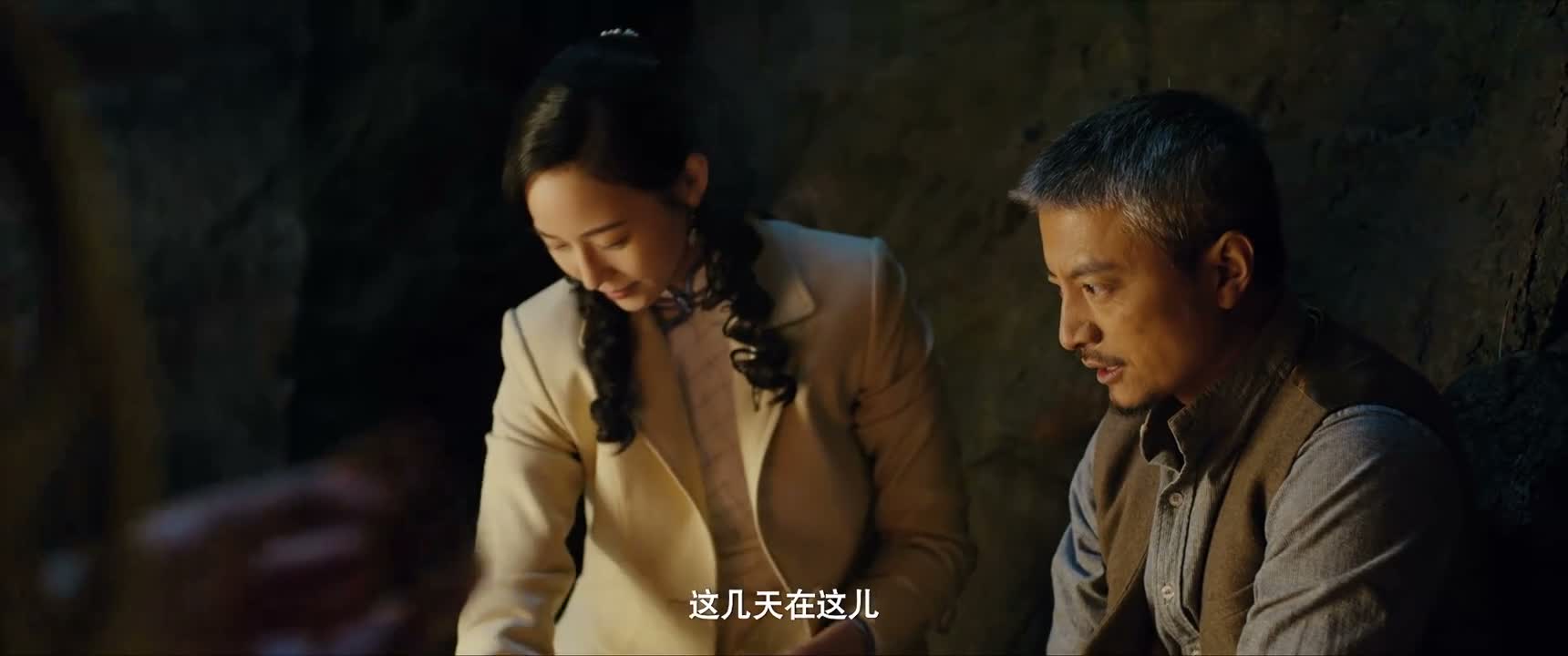
“These past few days here,”

“They really are here. What do you need them for? It's urgent.”