裴总啊 你离开了这么久 这都瘦了
“Mr. Pei, you've been away for so long. You've lost so much weight.”
THE DIALOGUE REEL
“Mr. Pei, it must've been tough infiltrating our enemy's ranks.”
裴总啊 你 离开 了 这么久 这都 瘦了
“Mr. Pei, you've been away for so long. You've lost so much weight.”
就是啊 想死我了呀
“Yeah. We missed you.”
“Look how much I care about your well-being, Boss; I want you to know how loyal I am.”
Observing that someone has gotten thinner (瘦了) is often used in Chinese culture to express affectionate concern and validate that the person has been working hard under difficult conditions.
LEARNING CHUNKS & PARTICLES
so long; such a long time
Emphasizes the perceived excessive duration of an event or absence.
have even gotten thinner
A common colloquial pleasantry used in Chinese culture to express sympathy for someone's hard work or hardship.
Softens the direct address and adds an affectionate, demonstrative tone.
Indicates a newly perceived state or change in physical appearance.
VOCABULARY & EXPRESSIONS
Parallel Spoken Cinema Scenes (语义近邻切片)

“Mr. Pei, I have some matters to attend to. I should get going.”

“Mr. Pei. You can be completely at ease. Go home and rest properly.”

“Mr. Pei. You are finally back. While you were away,”
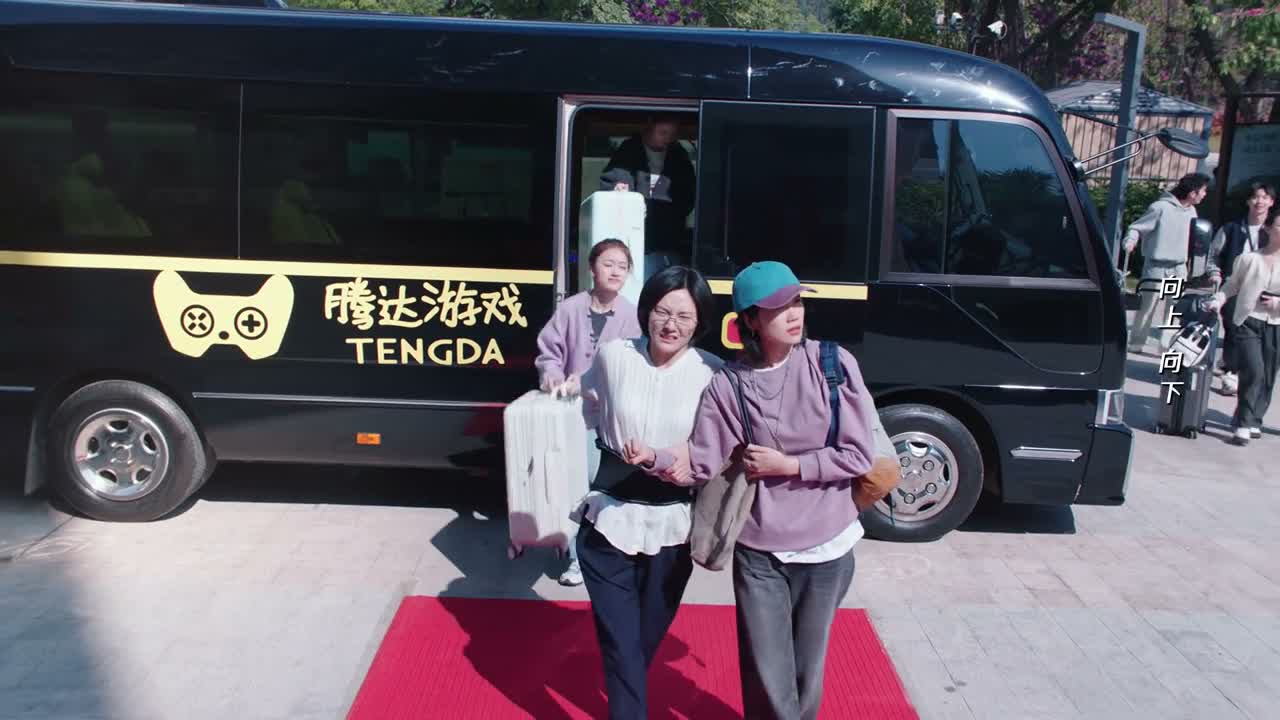
“Mr. Pei is so nice to us. He even arranged accommodations for us.”

“What's wrong with Mr. Pei? He's happy. Just look at him.”

“Mr. Pei seems a bit off today. Something does not feel right.”