可不忍燕离 幼失怙恃
“but she couldn't bear the thought of Yan Li becoming parentless at a young age.”
THE DIALOGUE REEL
严夫人本欲殉节
“Mrs. Yan meant to join Yan Han in death,”
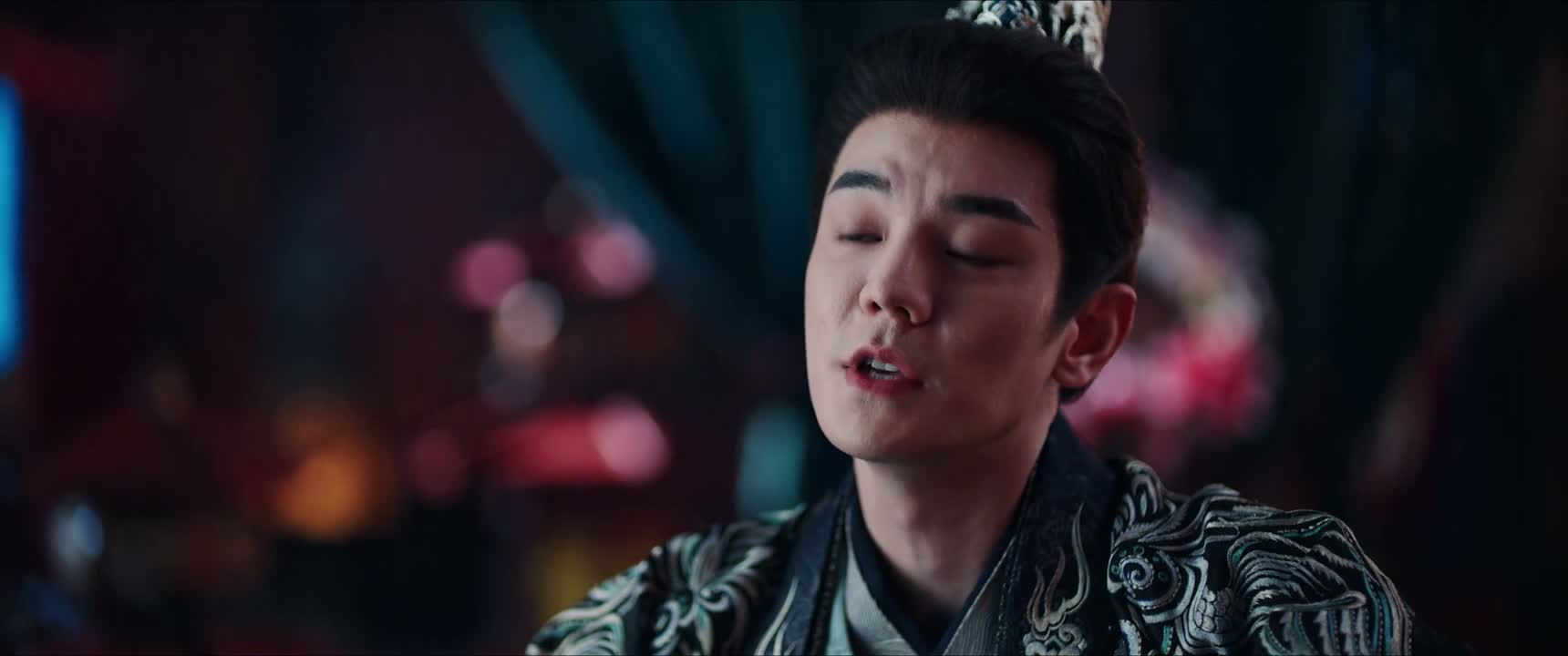
可不 忍燕离 幼失怙恃
“but she couldn't bear the thought of Yan Li becoming parentless at a young age.”
“After declining rewards and honors, she started living in seclusion.”
Direct spoken expression in this communicative setting.
In traditional Confucian society, while dying for a spouse (殉节) was praised as ultimate loyalty, raising orphaned children (抚孤) was regarded as an equally noble, selfless moral sacrifice.
LEARNING CHUNKS & PARTICLES
cannot bear to; cannot endure the thought of
Expresses strong empathetic reluctance or moral discomfort with allowing harm to happen.
to lose both father and mother; to be orphaned
A high-register, classical literary idiom where '怙' represents the father and '恃' represents the mother.
VOCABULARY & EXPRESSIONS
Parallel Spoken Cinema Scenes (语义近邻切片)

“then Yan Li is actually His Majesty's own son, right?”

“he must know that Yan Li is neither suited for”

“yet only in front of Yan Li, does he act like a loving father.”

“I must not drag you and Yan Li into danger again.”
“there's nothing Yan Chi can do.”

“Yan Li told me Minister Li is very high-maintenance.”