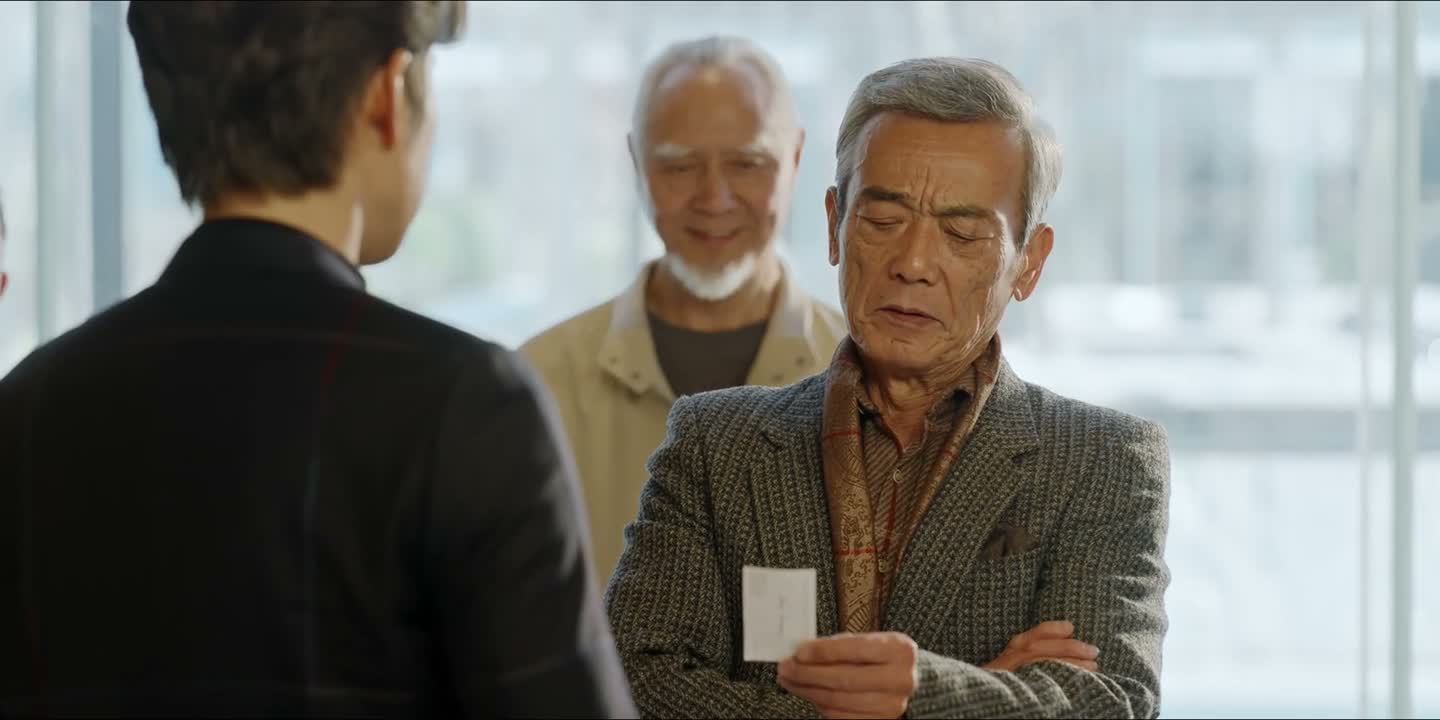
她老人家 已很久不抡鞭子了
“Her Highness hasn't raised her whip for a long time.”
THE DIALOGUE REEL
她老 人家 已很久不 抡鞭子 了
“Her Highness hasn't raised her whip for a long time.”
这秦九娘子的医术 如此高明 还能令人 改了脾性
“Are Miss Qin's medical skills really good enough to change a person's temperament?”
“There is no need to worry; she has softened her temper considerably over the years.”
Appending '老人家' to a pronoun displays traditional filial respect and high deference toward elders, even when discussing their eccentricities.
LEARNING CHUNKS & PARTICLES
the venerable lady / her esteemed self
A deeply respectful honorific pronoun used when referring to parents, grandparents, or highly revered elder figures.
changed one's temperament; mellowed out
Used to describe a fundamental shift in a person's ingrained behavioral patterns or mood disposition.
Marks an updated status or enduring change of state, highlighting that her whip-swinging days are long past.
VOCABULARY & EXPRESSIONS
Parallel Spoken Cinema Scenes (语义近邻切片)

“a long-time worker at Li Ink.”

“They've been together for so many years,”

“When he is old, he won't need you to serve him.”
“elderly people.”

“Really getting old. So slow.”

“means I can leave this world behind with pride.”