哪有爹妈不爱自己的孩子的
“What parents don't love their children?”
THE DIALOGUE REEL
没事 秦敖爸爸 其实我们能看出来您很爱秦敖
“It's fine, Mr. Qin. Actually, we can see that you love Qin Ao very much.”
哪有爹妈不爱 自己的 孩子 的
“What parents don't love their children?”
他妈妈走得早 是我一手拉扯他长大的
“His mom passed away early, so I raised him all by myself.”
“Of course I love him; that goes without saying for any parent.”
In Chinese culture, parental devotion is culturally assumed to be innate and absolute, making any question of whether a parent loves their child emotionally self-evident.
LEARNING CHUNKS & PARTICLES
how could there be / where on earth is there
A classic rhetorical opening used to reject an implicit doubt or assert a universal norm.
mom and dad / parents
An informal, colloquial northern-leaning term for parents, warmer and more domestic than 父母.
Completes the rhetorical question structure '哪有...的', strengthening the absolute nature of the statement.
VOCABULARY & EXPRESSIONS
Parallel Spoken Cinema Scenes (语义近邻切片)
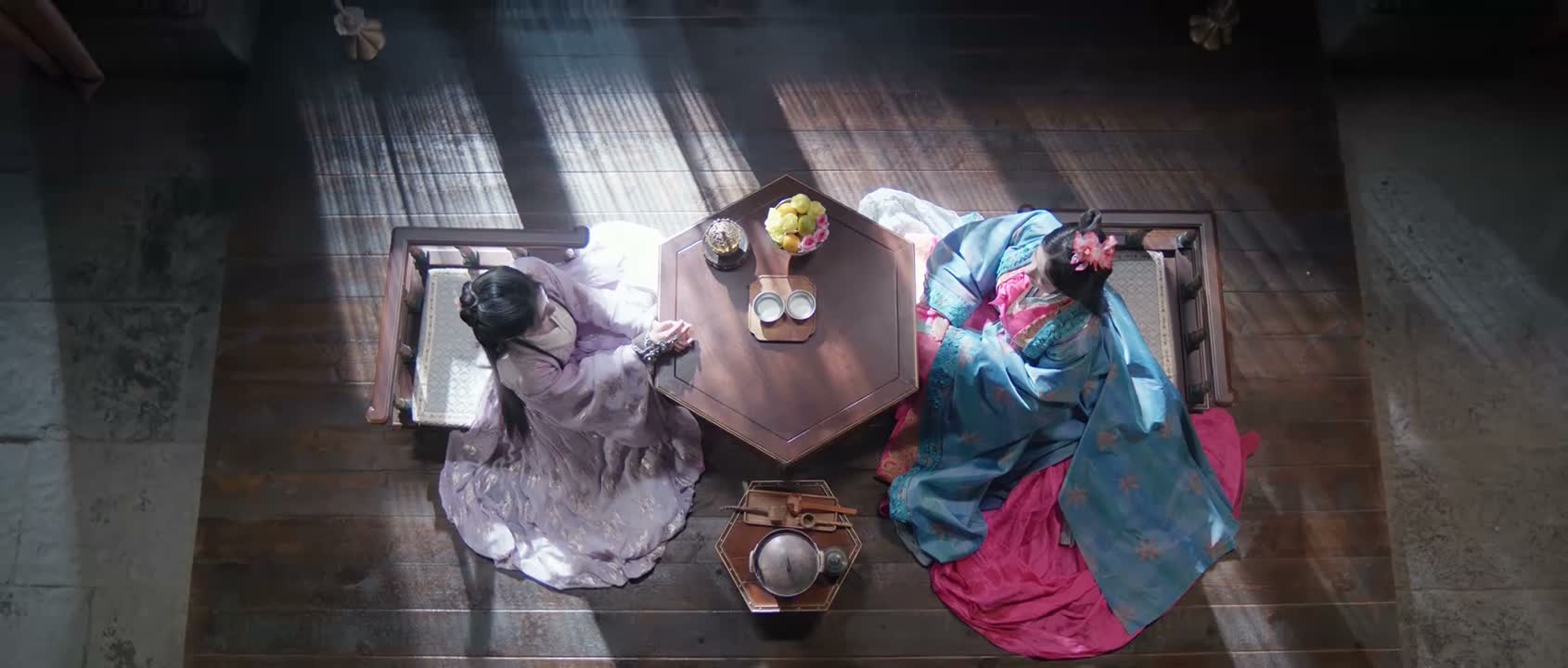
“Every mother loves her son.”

“why don't we just go with the flow?”

“Who doesn't care about their kids? I've never even dared to lay a finger on him since he was little.”

“that parents just want their children to be happy?”

“Have pity on this orphan!”
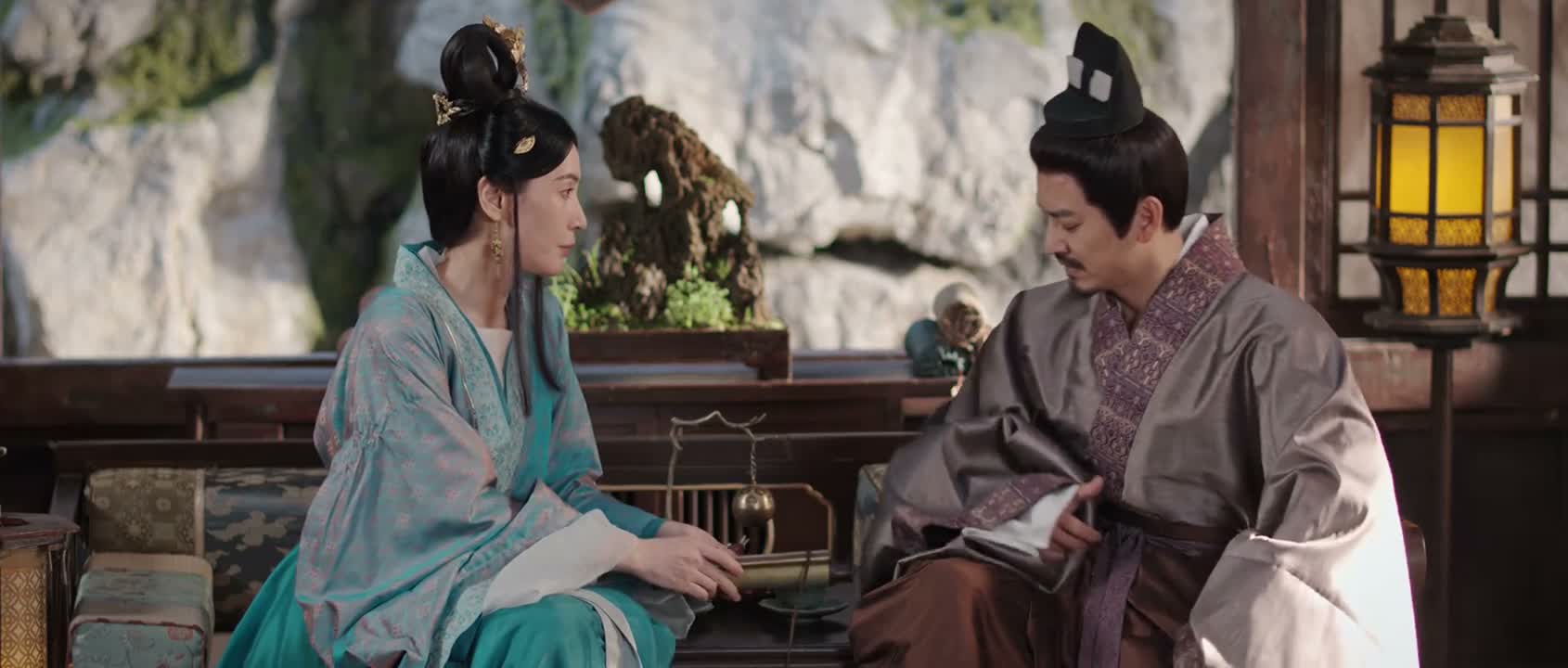
“who wouldn't wish the best for their children?”