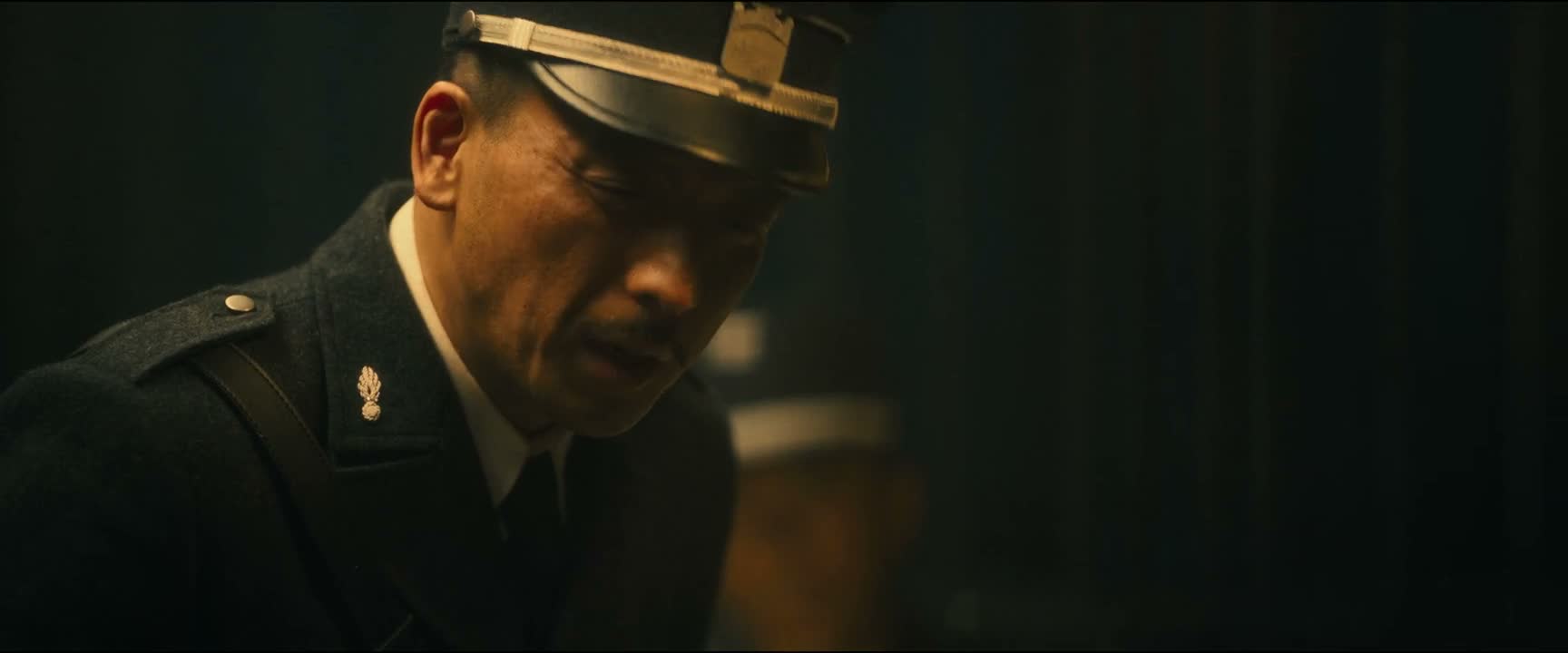
您要不然歇会儿吧 这儿交给我们就行了
“why don't you rest for a while? Leave this to us.”
THE DIALOGUE REEL
八爷 我来吧 爷爷
“Eighth Master Li, let me do it. Grandfather,”
您 要不然 歇会儿吧 这儿 交给我们 就行了
“why don't you rest for a while? Leave this to us.”
您坐
“Have a seat.”
“Please sit down and don't exert yourself anymore; we can handle this.”
In Chinese familial hierarchy, younger members are expected to actively take over physical labor from seniors to show care and respect.
LEARNING CHUNKS & PARTICLES
why not / otherwise
Used at the beginning of a clause to introduce a gentle, polite alternative or suggestion.
just leave it to us and it will be fine
A reassuring formula used to relieve someone of a burden or responsibility.
Softens the imperative into a gentle, solicitous suggestion.
Used with '就行' to convey sufficiency and completion.
VOCABULARY & EXPRESSIONS
Parallel Spoken Cinema Scenes (语义近邻切片)

“Why don't you take a rest? We're here.”

“Don't say that. Rest for a bit. Calm down.”
“so we can complete our task, right?”

“just leave it to our Master Qian.”