到家了 不过没好意思叫醒你
“You're home, but I didn't want to wake you.”
THE DIALOGUE REEL
“Be careful on the road. Call me if you need anything.”
到家了 不过 没好意思叫醒你
“You're home, but I didn't want to wake you.”
“It feels like after all these years, it really hasn't grown much.”
Direct spoken expression in this communicative setting.
Refraining from waking a tired companion exemplifies 'titie', a valued form of attentive, non-intrusive caring in close Chinese relationships.
LEARNING CHUNKS & PARTICLES
arrived home / we are home
Commonly stated upon arrival to announce the end of a trip.
felt too shy / felt embarrassed or uncomfortable doing something
A key spoken Chinese expression used when one refrains from doing something out of politeness or reluctance to bother someone.
Indicates a completed state change, confirming arrival.
VOCABULARY & EXPRESSIONS
Parallel Spoken Cinema Scenes (语义近邻切片)
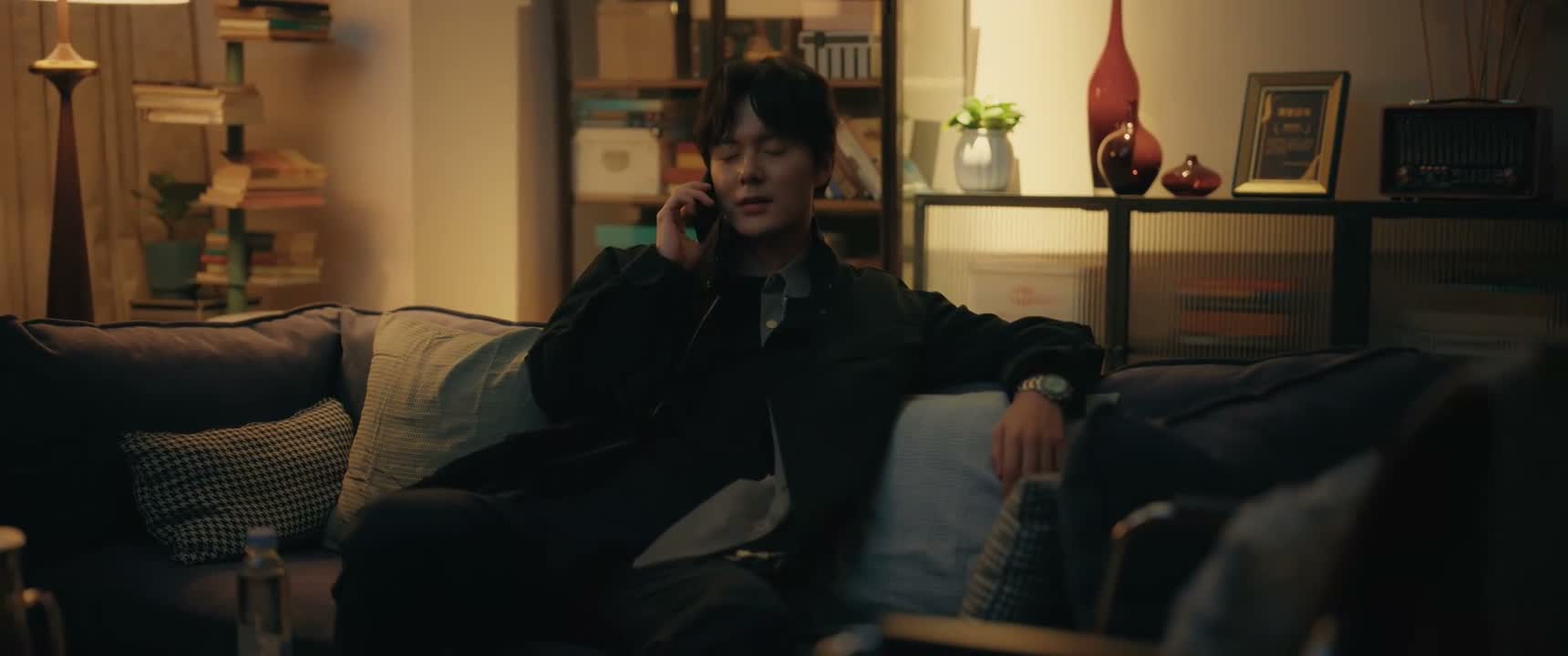
“Yeah, don't worry. Shen Xing fell asleep.”
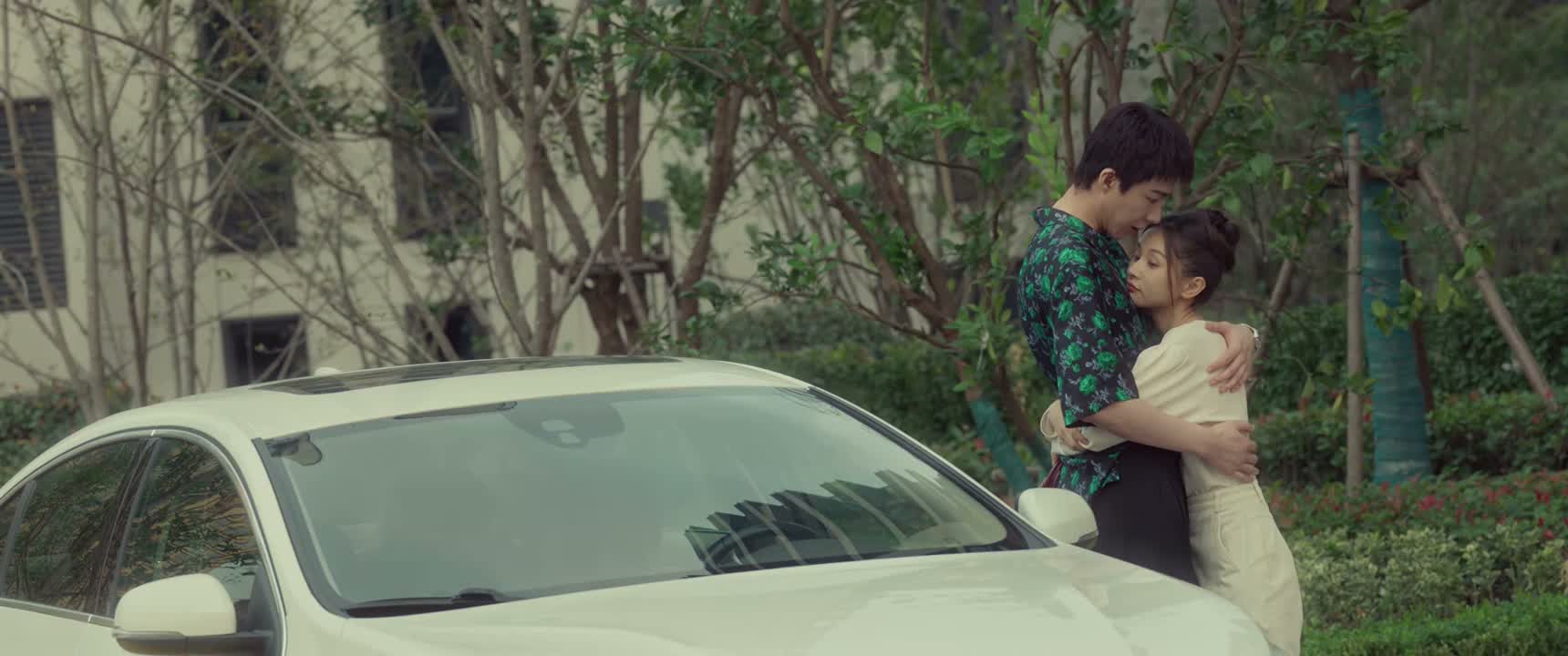
“Text me when you get home.”

“Now that she's home, I'm leaving. Stay a bit. No, really.”
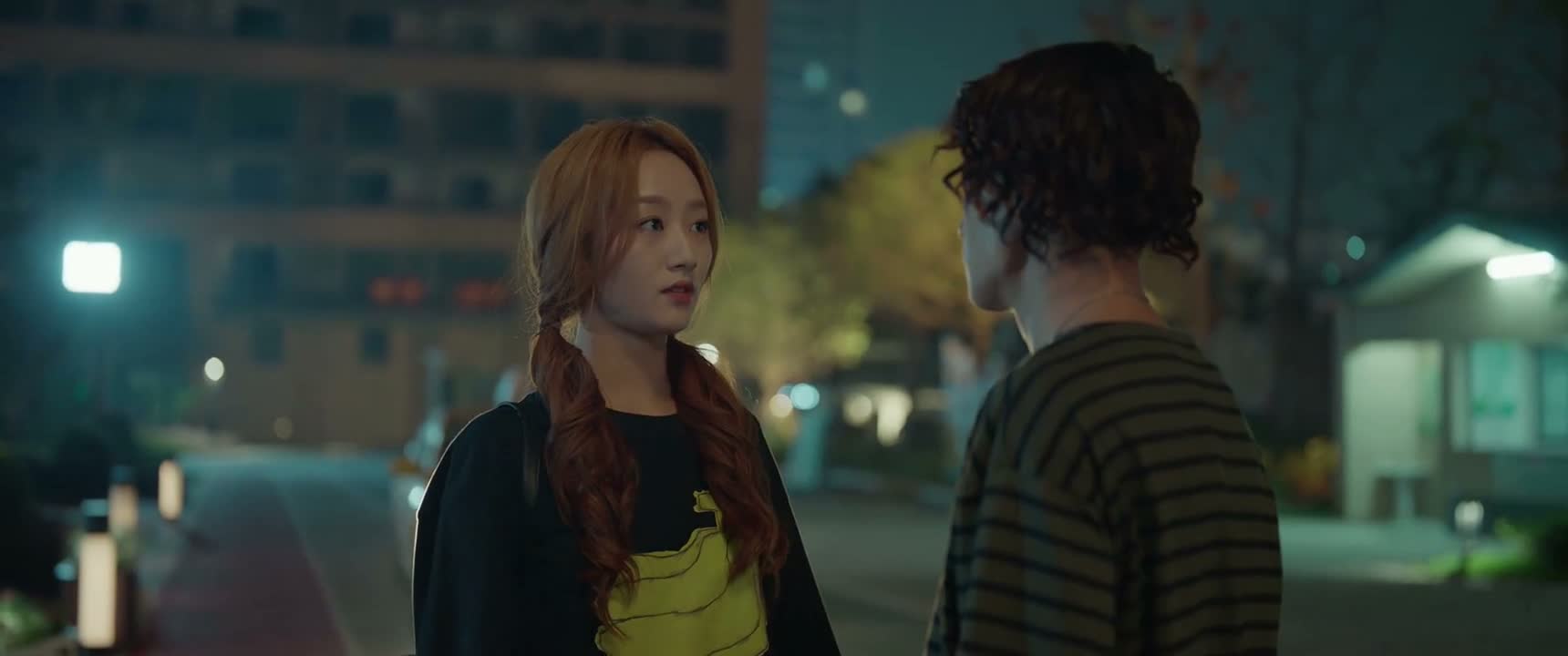
“No need to text me once you get home.”

“and yet you're still busy even after you get back. Not anymore.”

“You should arrive this morning. What time is it? It's dinner time. Where did you go?”