小白啊 太谢谢你了 不用
“Bai, thank you so much. You're welcome.”
THE DIALOGUE REEL
没有 就这些
“No. It's all here.”
小白啊 太谢谢你了 不用
“Bai, thank you so much. You're welcome.”
Direct spoken expression in this communicative setting.
Prefixing a surname or given name with 'Xiao' expresses affectionate familiarity toward a younger colleague or junior acquaintance.
Promptly answering '不用' (no need) when thanked prevents the other person from feeling indebted and preserves social harmony.
LEARNING CHUNKS & PARTICLES
thank you so much
A very standard and emphatic way to express genuine gratitude in everyday and professional spoken Chinese.
no need / you're welcome / don't mention it
A common, slightly informal way to deflect thanks or refuse assistance politely.
Softens the address 'Xiao Bai', adding warmth and cordiality to the expression of thanks.
Acts as an intensifier alongside '太' to emphasize the degree of gratitude.
VOCABULARY & EXPRESSIONS
Parallel Spoken Cinema Scenes (语义近邻切片)
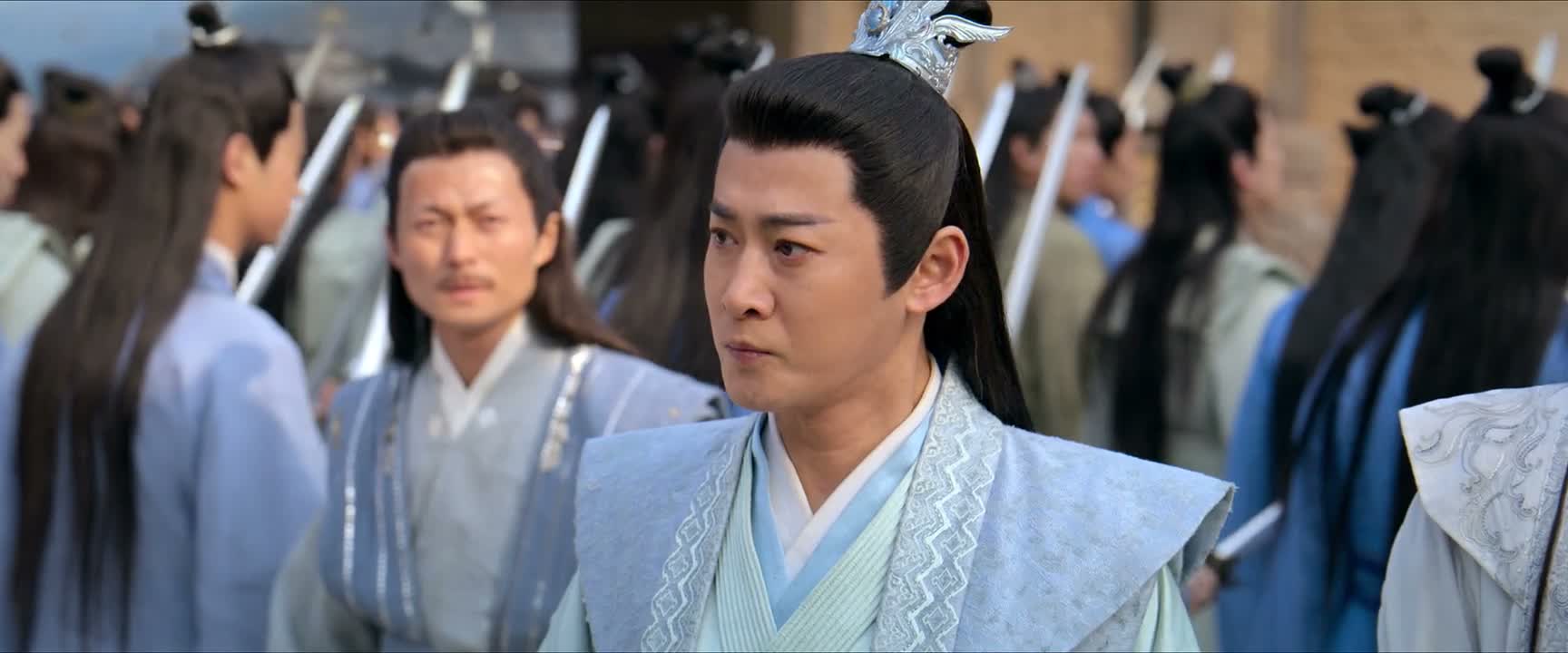
“please take a trip with Bai.”

“First Bai, and now you.”

“Bai, I'm really sorry. I couldn't help you. It's okay, Auntie.”

“[scoffs] So, basically, you don't have much?”

“Ivory, you've suffered a lot.”

“Bai, welcome back to the hardship.”