《Echoes of a Thousand Moons》 S1·E11 (37:13)
HSK 7
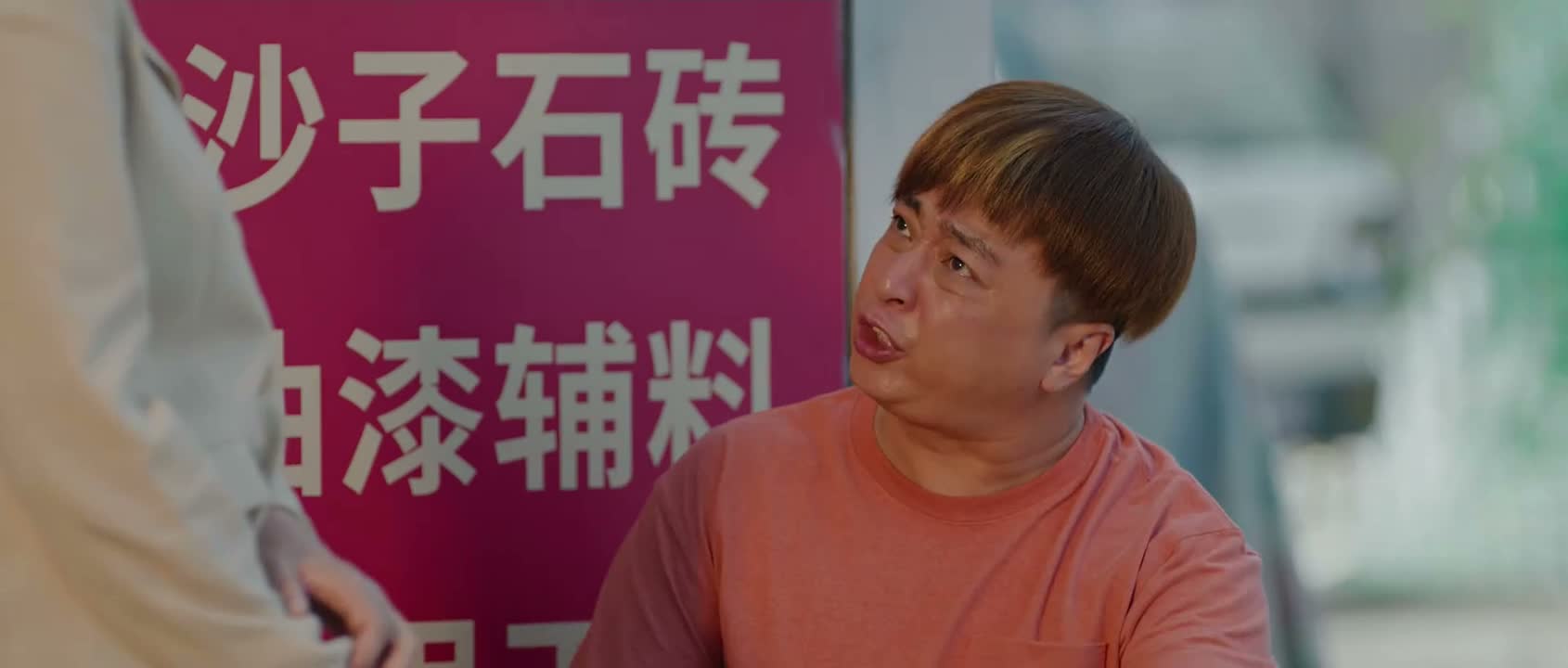
zì jǐ rén qī fù zì jǐ rén bù bú shì hǎo
自己人欺负自己人 不 不是 好
“bully our own men. No, no. Fine.”
《Echoes of a Thousand Moons》
S1·E11
TIMECODE: 37:13
·
1080P MASTER AUDIO
THE DIALOGUE REEL
[-1] PREVIOUS TURN
zhōng yāng jūn qiáo bù qǐ zán men chuān jūn nǐ gè guī ér zi
“The Central Army looks down on our Sichuan Army. You jerk”
zì jǐ rén qī fù zì jǐ rén bù bú shì hǎo
CURRENT FOCUS
自己人 欺负 自己人 不 不是 好
“bully our own men. No, no. Fine.”
[+1] FOLLOW-UP TURN
bǎ tā gěi wǒ chī le zhè ge bù bēng yá dàn shì zhè ge sāi yá chī le
把它给我吃了 这个不崩牙 但是这个塞牙 吃了
“Eat it. This won't break your teeth, but it gets stuck in them. Eat it.”
Subtitles synced to millisecond timecode
Browse Show Clips →
Scene:
Crisis & Conflict
Function:
APPEASING AND BACKTRACKING
Tone:
DEFENSIVE
Emotion:
FEAR
WHAT THEY REALLY MEAN (PRAGMATIC SUBTEXT)
“Don't hurt me, I take back what I said!”
💡 Cultural Insight: In-group Solidarity (Zijiren)
Appealing to the concept of 'our own people' is a common rhetorical defense mechanism to dissuade internal fighting among Chinese compatriots.
INTENT TAGS:
#appeasement
#de-escalation
#surrender
#backtracking
🧩
2 CHUNKS · 0 PARTICLES
LEARNING CHUNKS & PARTICLES
自己人
SPOKEN CHUNK
one of us; our own people
Use this phrase to emphasize shared identity, solidarity, or an in-group bond.
欺负
SPOKEN CHUNK
to bully; to pick on
A common spoken verb used when an unfair power dynamic results in mistreatment.
🏮
3 EXPR · 1 GRAMMAR
VOCABULARY & EXPRESSIONS
COLLOQUIAL EXPRESSIONS:
GRAMMAR BLUEPRINTS:
CROSS-CINEMA CORPUS BOARD · PARALLEL SCENES
EXPLORE BY SEMANTIC SIMILARITY
Parallel Spoken Cinema Scenes (语义近邻切片)
《Echoes of a Thousand Moons》 S1·E11 (37:13) · Authentic Cinema Dialogue Corpus