那你今天怎么不上课 今天周末 谁上课
“Why don't you go to class today? It's the weekend. Who's going to class?”
THE DIALOGUE REEL
十岁 上五年级了 四年级
“Ten. Then you're in fifth grade? Fourth grade.”
那你 今天 怎么不 上课 今天 周末 谁上课
“Why don't you go to class today? It's the weekend. Who's going to class?”
我有个儿子 跟你差不多大
“I have a son. He's about your age.”
Direct spoken expression in this communicative setting.
Chinese speakers often pose a question and immediately follow it up with a rhetorical statement to correct an oversight or highlight common sense.
LEARNING CHUNKS & PARTICLES
why aren't you having class; why aren't you in school
A natural, colloquial way to ask a student why they are not attending classes.
who has classes (rhetorical: nobody has classes)
A common rhetorical question used to state the obvious fact that no one goes to school at that time.
VOCABULARY & EXPRESSIONS
Parallel Spoken Cinema Scenes (语义近邻切片)

“(What do you do when you're not in class?)”

“Skipping class to fool around here.”

“I'll finish the shift which I'm supposed to finish.”
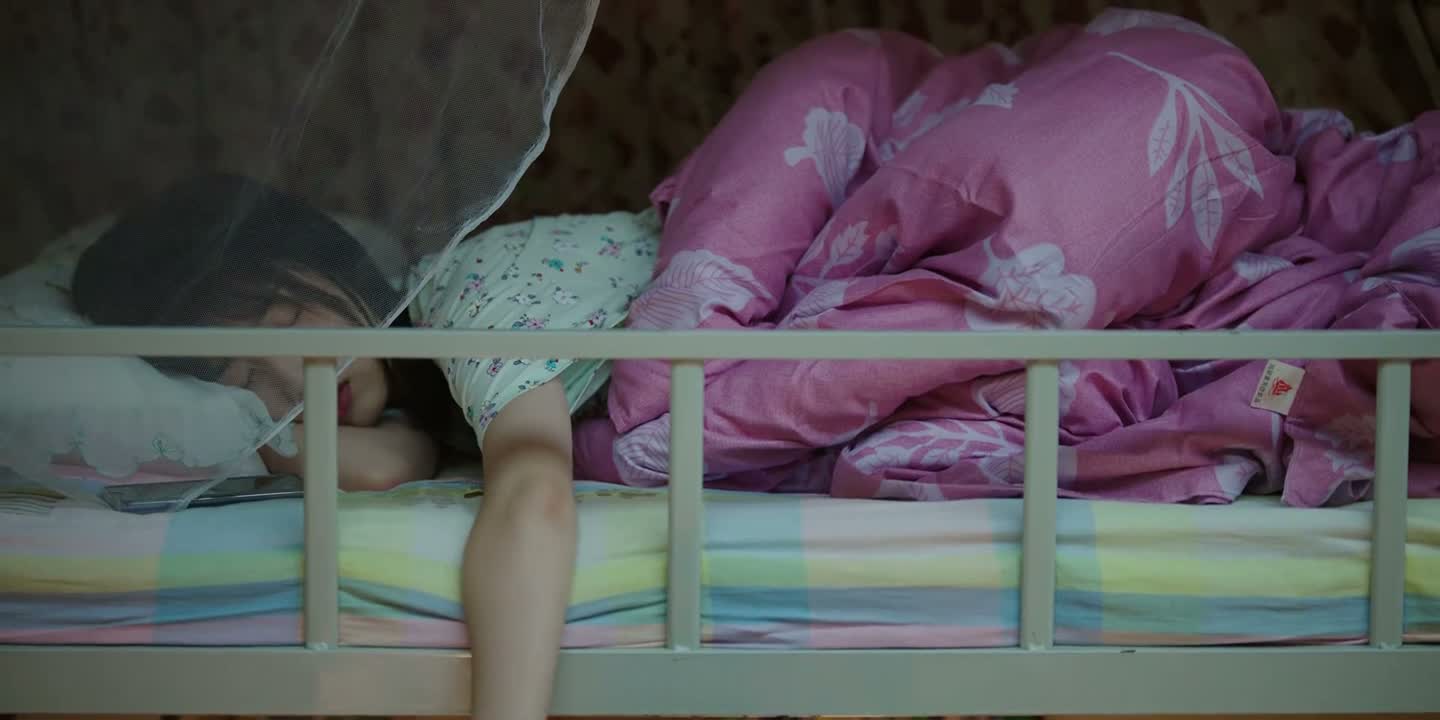
“Why so early when there's no class, Xiaoyin?”

“Don't go to class when school starts.”

“I have class in the morning.”