结果吗我倒没梦到 但是吧
“I didn't dream about the result, but”
THE DIALOGUE REEL
赢没赢快说
“Did we win? Tell me.”
结果 吗 我倒 没梦到 但是 吧
“I didn't dream about the result, but”
“I dreamed of Fang Sulun's big face.”
“Forget the match result, wait until you hear the hilarious part of my dream.”
Spoken Chinese frequently fronts the topic followed by pause particles like '吗' or '吧' to control conversational pacing and build narrative suspense.
LEARNING CHUNKS & PARTICLES
I actually didn't / contrary to expectation I didn't
The adverb '倒' softens the contradiction and introduces a mild contrast with expectations.
but, well... / having said that...
Used at the end of a transitional phrase to pause, build suspense, and soften an upcoming shift in topic.
Functions as a topic marker in spoken discourse, isolating the theme before commenting on it.
Softens the transition after '但是', creating a thoughtful or hesitating pause.
VOCABULARY & EXPRESSIONS
Parallel Spoken Cinema Scenes (语义近邻切片)

“who cares if it's a dream?”

“Did you make all that up in your head?”

“No, I meant I don't have them.”
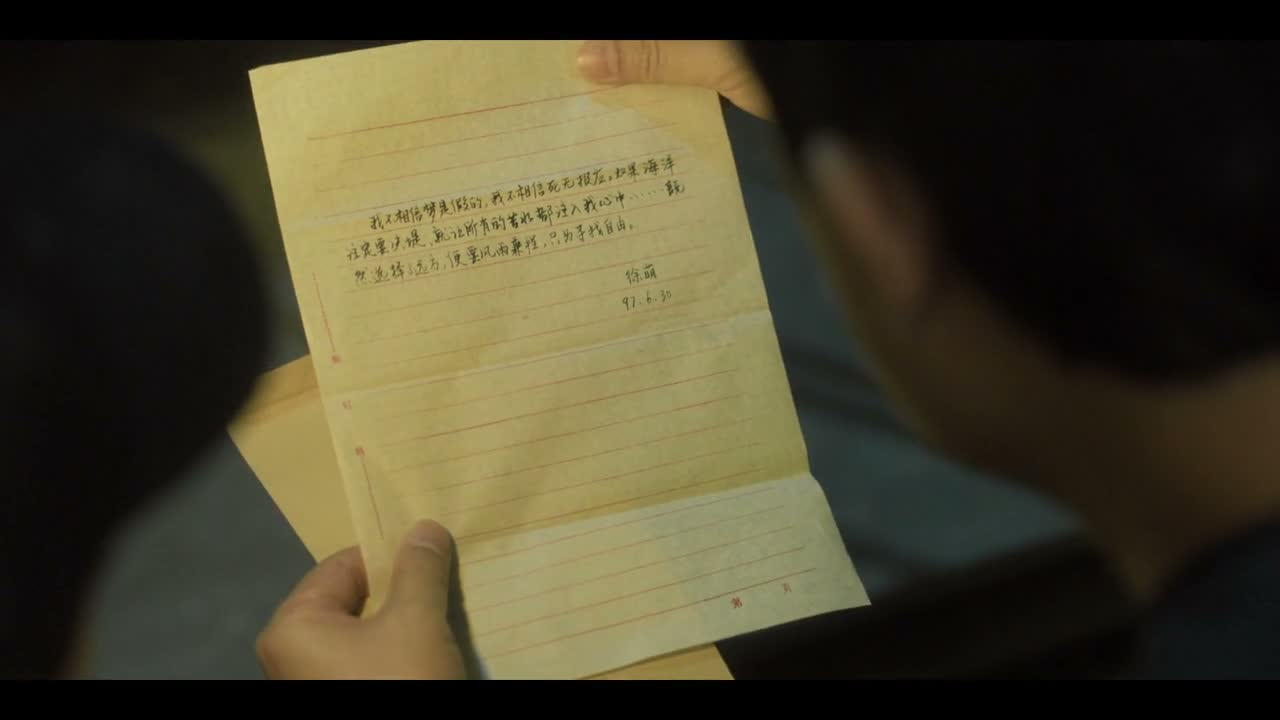
“I do not believe that my dream is just an illusion,”

“I had a nightmare,”

“Oh, right. I had a dream the night before last. I dreamt of actually standing on the podium.”