谁闹谁有理的办法
“that whoever makes the biggest scene gets what they want.”
THE DIALOGUE REEL
那就是纵容这种
“we would be encouraging the idea that whoever makes the biggest scene gets what they want.”
谁闹谁有理 的 办法
“that whoever makes the biggest scene gets what they want.”
赔偿的事你就不用出面了
“You don't need to handle the compensation issue.”
“We shouldn't reward bad behavior just to make them quiet down.”
In contemporary Chinese dispute resolution, there is often public debate around 'whoever causes trouble gets compensated' ('闹得越凶赔得越多'), a tendency that modern legal consciousness actively pushes back against.
LEARNING CHUNKS & PARTICLES
whoever causes the biggest scene is treated as having the moral high ground (squeaky wheel gets the grease, but in a negative sense)
Used as a critical commentary on people exploiting conflict or public disturbances to force unreasonable compromises.
VOCABULARY & EXPRESSIONS
Parallel Spoken Cinema Scenes (语义近邻切片)
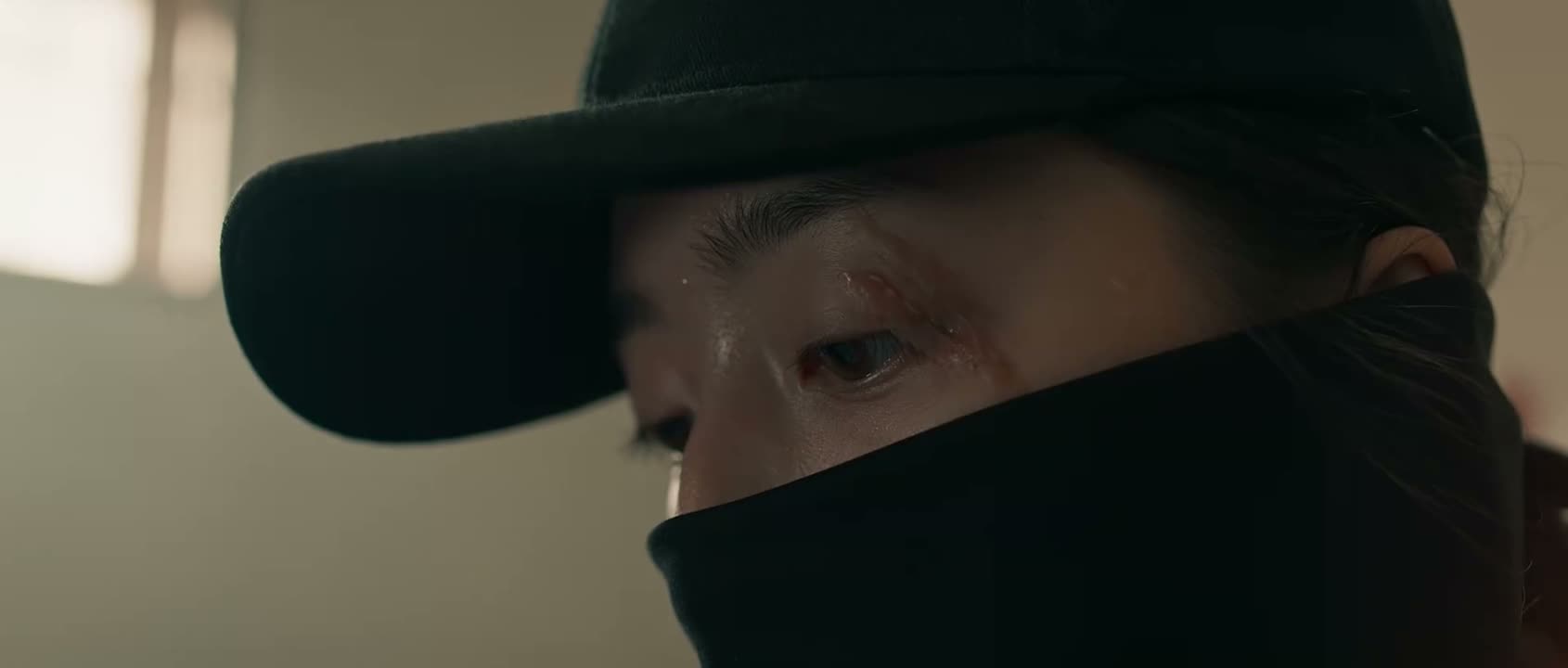
“If anyone breaks the rules,”
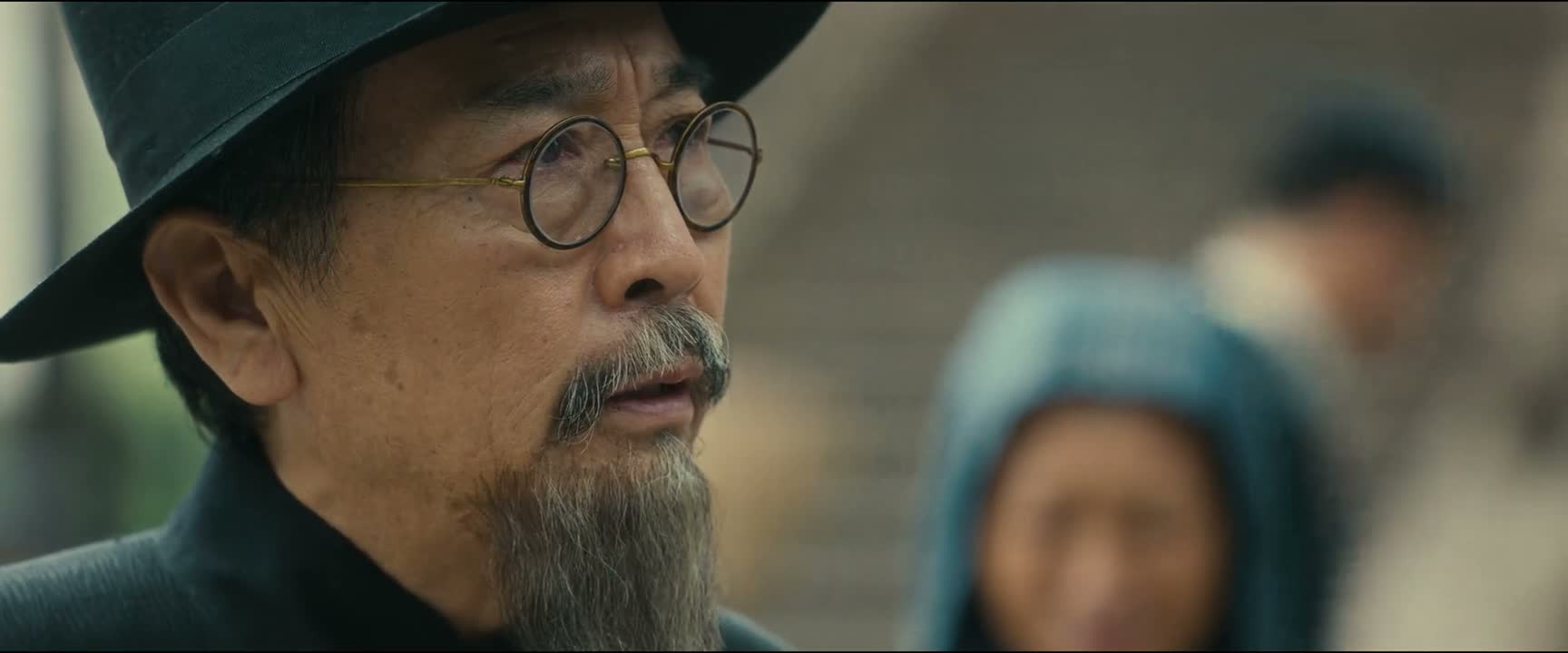
“Whoever threw it should clean it up”

“Let her ask her husband for it. Why raise a fuss here? You're absolutely right.”
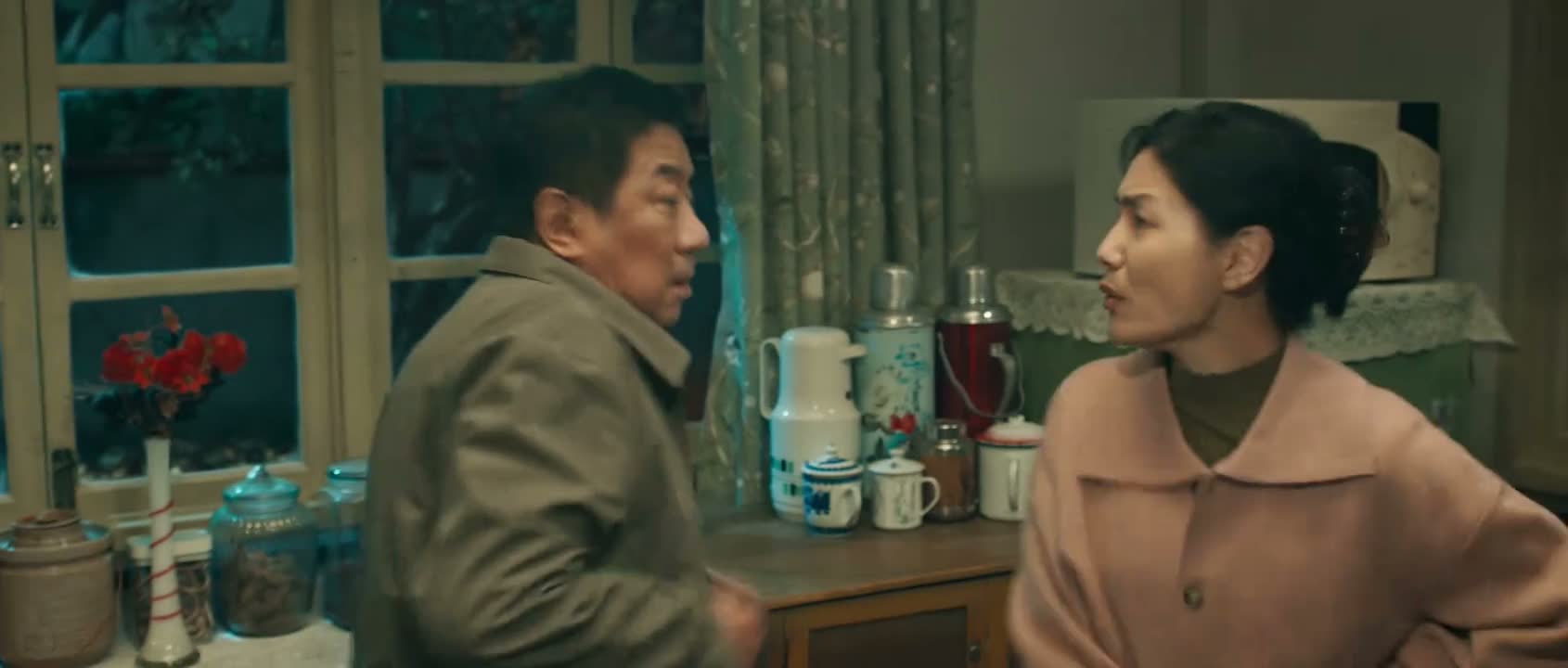
“How am I being unreasonable?”
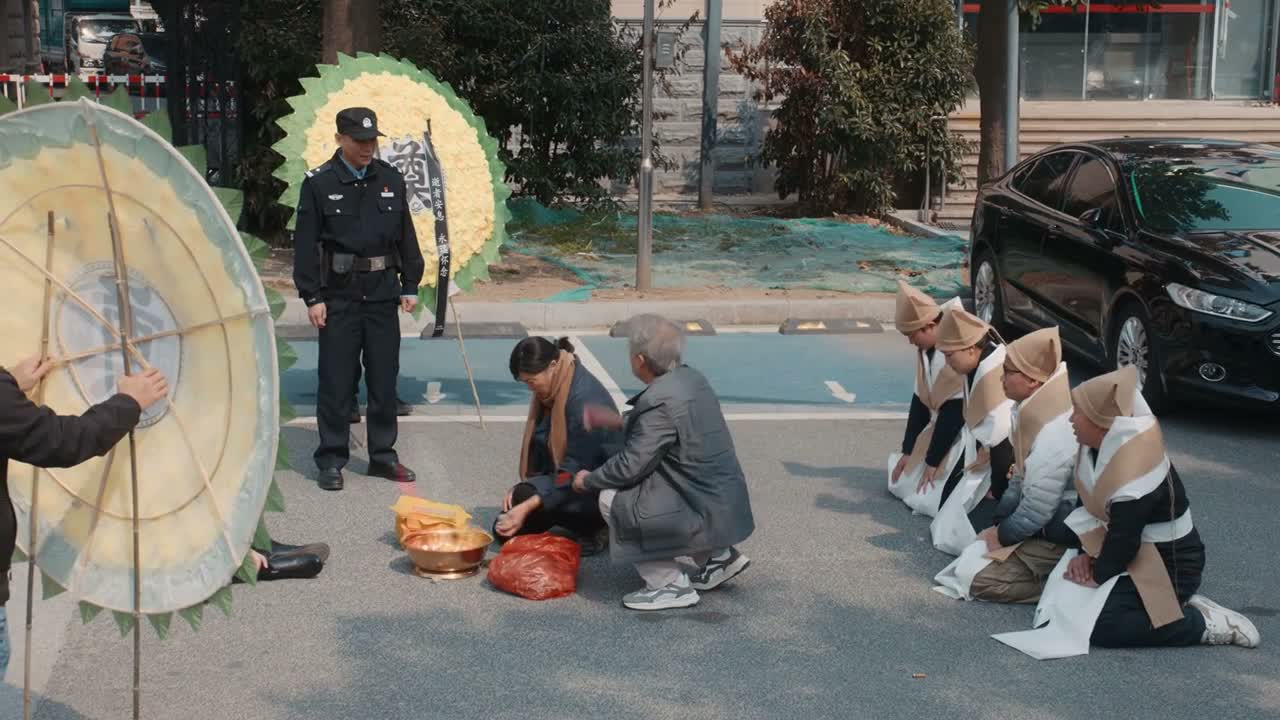
“The one who makes the decision, come and talk to me.”

“What are you doing? Let go!”