MC
MandarinClips Cinema Corpus
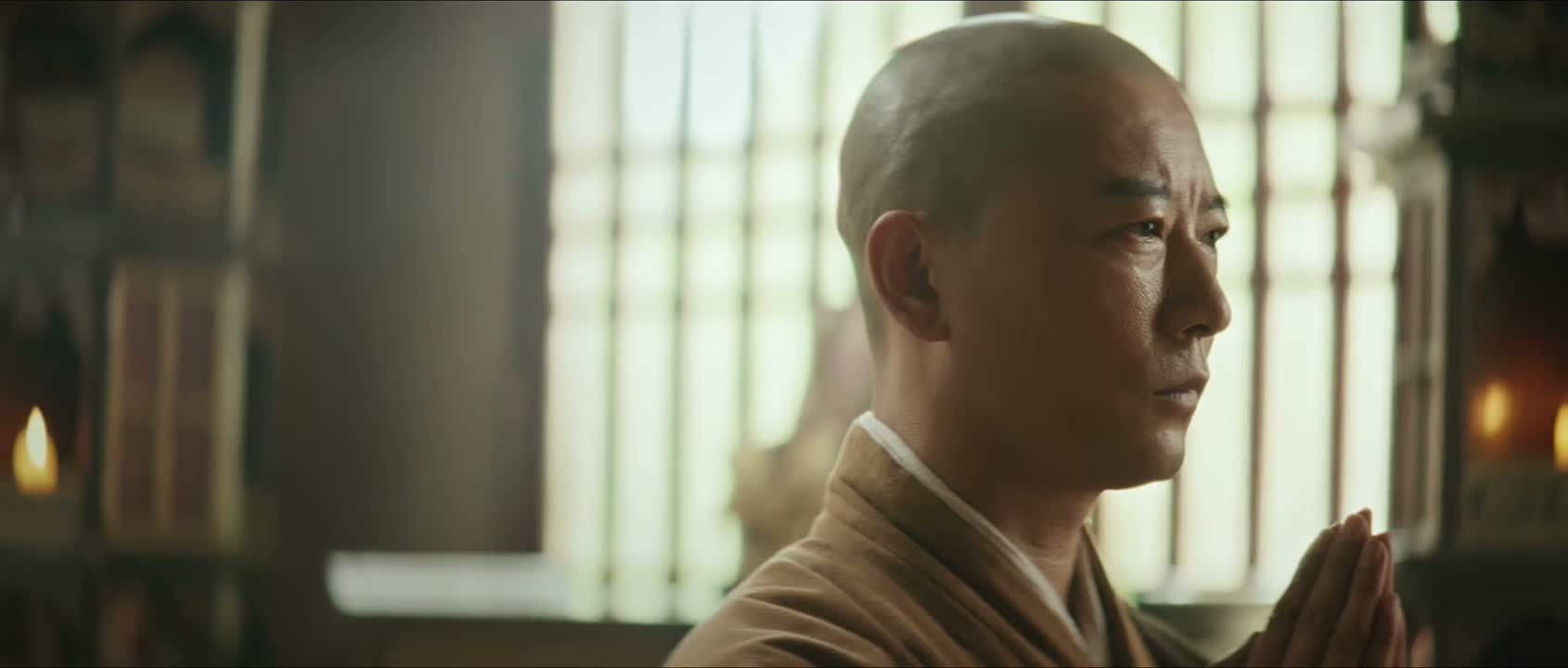
《Generation to Generation》 S1·E35 (11:17) HSK 3
dōu shì wèi le zì jǐ de sī yù

都是为了自己的私欲

“All for your own desire,”

《Generation to Generation》 S1·E35
TIMECODE: 11:17 · 1080P MASTER AUDIO

THE DIALOGUE REEL

1+1+1 SPOKEN CONTINUITY
[-1] PREVIOUS TURN nǐ yǐ wéi nǐ xiàn zài hé wǒ diē yǒu shén me qū bié

“Are you any different from my father now?”

dōu shì wèi le zì jǐ de sī yù CURRENT FOCUS

都是为了自己的私欲

“All for your own desire,”

[+1] FOLLOW-UP TURN bù gù bié rén de sǐ huó

“without caring who dies.”

Subtitles synced to millisecond timecode Browse Show Clips →
Scene: Crisis & Conflict
Function: MORAL CONDEMNATION
Tone: ACCUSATORY
Emotion: ANGER
WHAT THEY REALLY MEAN (PRAGMATIC SUBTEXT)
“Stop pretending you are righteous; you are just as selfish and corrupt as anyone else.”
💡 Cultural Insight: Selfish Desire vs. Righteousness (Yi vs. Yu)

In Chinese moral discourse, contrasting collective good or moral integrity with 'siyu' (selfish desire) is the ultimate critique of a person's character.

INTENT TAGS: #condemnation #accusation #moral_critique #confrontation
🧩

LEARNING CHUNKS & PARTICLES

1 CHUNKS · 0 PARTICLES
为了自己的私欲 SPOKEN CHUNK

for one's own selfish desires

A powerful accusatory expression used in formal arguments or dramatic conflicts to denounce unethical actions.

🏮

VOCABULARY & EXPRESSIONS

2 EXPR · 12 GRAMMAR
CROSS-CINEMA CORPUS BOARD · PARALLEL SCENES

Parallel Spoken Cinema Scenes (语义近邻切片)

EXPLORE BY SEMANTIC SIMILARITY
《Generation to Generation》 S1·E35 (11:17) · Authentic Cinema Dialogue Corpus