做...的
[主语/条件] + 做 + [动词/短语] + 的
Core sentence pattern in modern spoken Mandarin.
[Variation: 肯定建议式]
(36 clips) 00:02
(他从小到大呀) ── Previous context
“And Guangcai mentioned he's been craving your noodles since he was a kid.”
 00:02
(一九九五年) ── Previous context
“Back in 1995, When Meng Guangcai rented your shop to run his business,”
 00:02
 00:02
 00:02
 00:02
 00:02
 00:02
 00:02
(就想做顿菜试试) ── Previous context
“But he said the dishes I made tasted like melted wax.”
 00:03
(你何时学会做饭了) ── Previous context
“I picked it up precisely because I didn't know how to cook.”
 00:02
 00:02
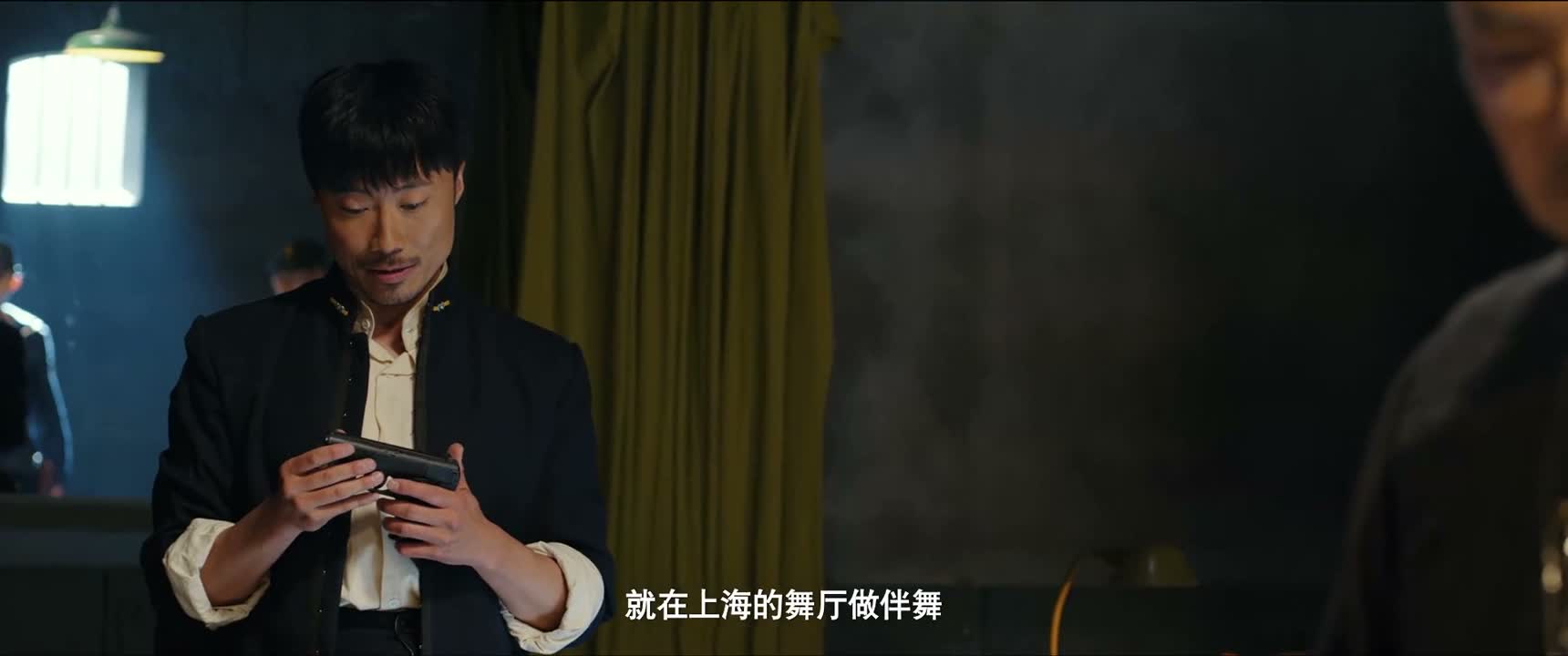 00:03
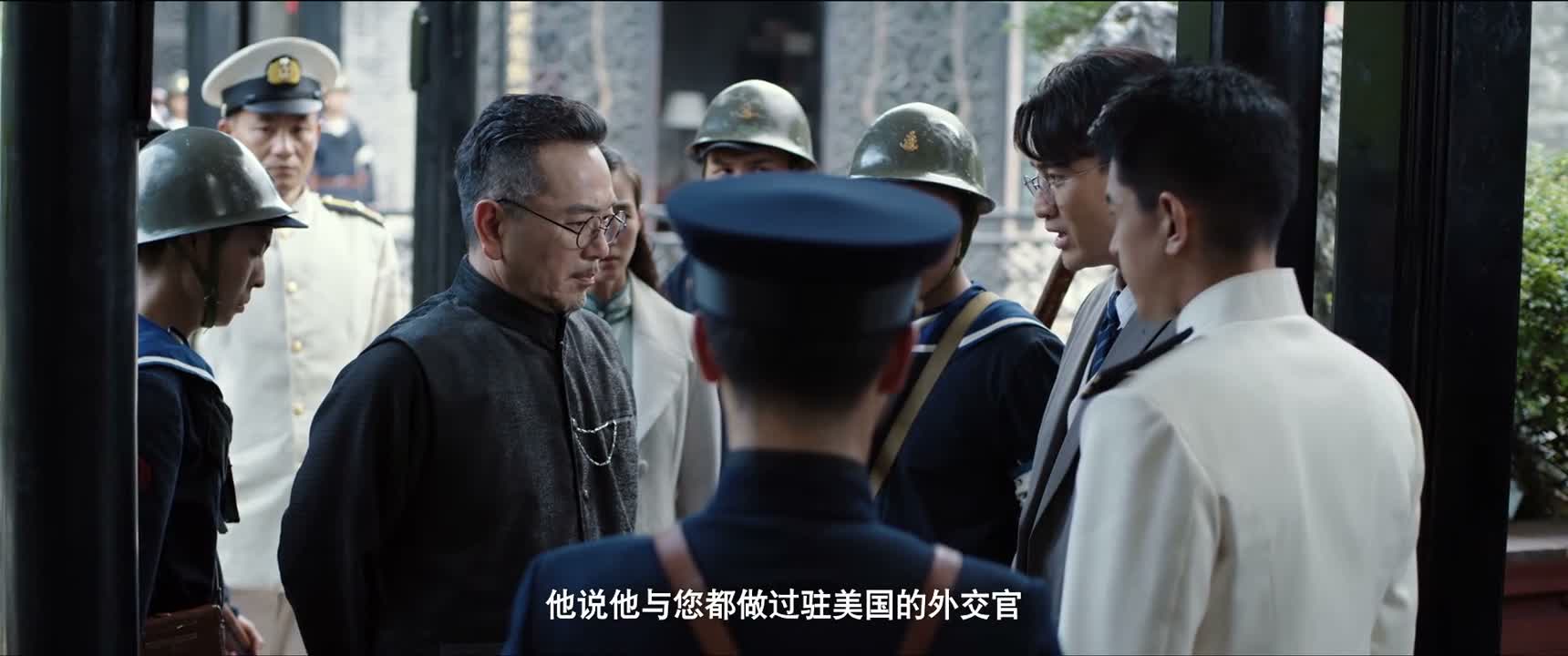 00:02
(司令官很真诚地邀请您) ── Previous context
“He says both he and you were diplomats in the United States”
 00:02
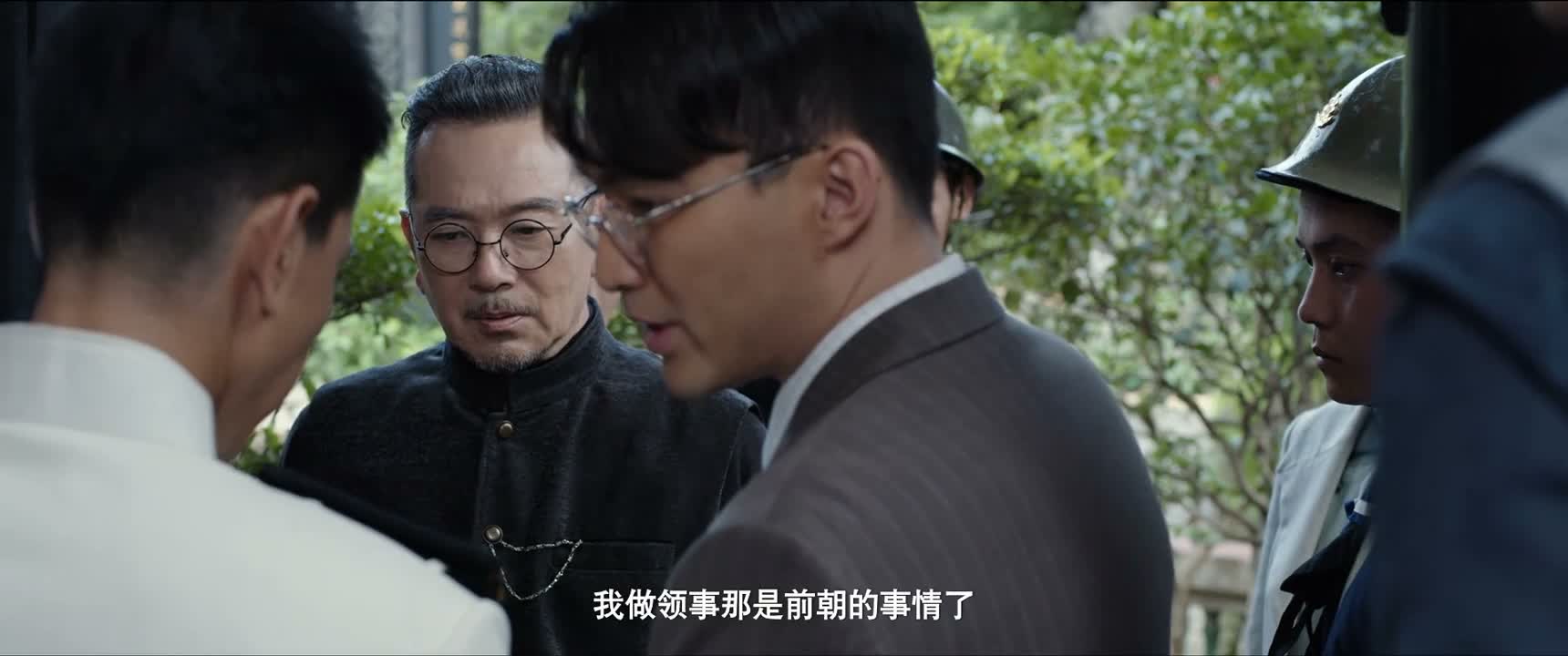 00:03
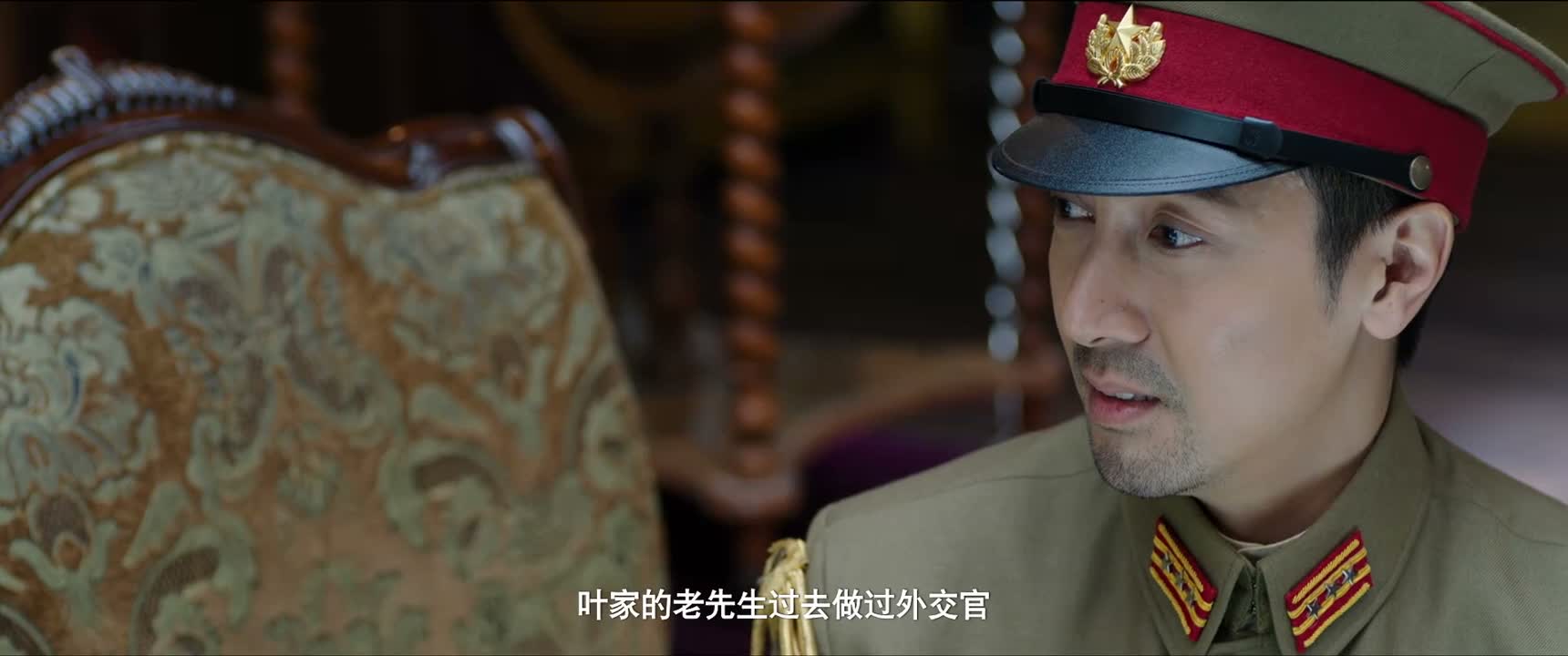 00:02
 00:02
(不过莫说是你) ── Previous context
“if I were given this task of finding a needle in a haystack,”
 00:02
 00:03
 00:02
(我好不容易才把你当成朋友) ── Previous context
“How could you do this at a matter of life and death?”
 00:02
 00:02
 00:02
 00:02
 00:02
 00:02
 00:03
(- 我可以吗? - 我也会想喝一杯的) ── Previous context
“You did what any father in your position would do.”
 00:02
(这真的会把人给惹怒的) ── Previous context
“Make them do things they might not have done otherwise.”
 00:02
 00:02
 00:02
 00:02
 00:02
(就必须在) ── Previous context
“I had to knock the monk out when he came to the house for the ritual.”
 00:02
(又知道佛门弟子) ── Previous context
“do not eat while performing rituals outside the temple,”
 00:02
[Variation: 疑问反问式]
(4 clips) 00:02
(我实在是弄不明白) ── Previous context
“Your bookkeepers and stewards are doing just fine, right?”
 00:02
 00:02
 00:02
(威廉·林加德刚刚指认了 莱尔·詹宁斯就是渡轮上的男人) ── Previous context
“[Moira] How'd he do that? Thought he doesn't speak.”
📐 必须
→Nuance: 核心均强调由自己全权决定
📐 为什么...啊
→Nuance: 同向近义词根配对: [肮脏 ↔ 龌龊]
📐 不是...吗
→Nuance: 核心均表意外发现对方会说话
📐 太...了
→Nuance: 同向近义词根配对: [实在 ↔ 确实]
📐 要是...的话
→Nuance: 同向近义词根配对: [如果 ↔ 要是]
📐 一定
→Nuance: 同为鼓励他人做好的表达
📐 一定
→Nuance: 表达同样坚定的承诺与决心
📐 来得及
→Nuance: 同向近义词根配对: [离开 ↔ 撤出]
📐 把...当作
→Nuance: 同向近义词根配对: [当做 ↔ 当作]
📐 只管……就好
→Nuance: 正向安慰做自己,意图一致