没有太长时间了
méi yǒu tài zhǎng shí jiān leCommon spoken expression used by native Chinese speakers in daily life.
In authentic Chinese cinema dialogue, "没有太长时间了" (méi yǒu tài zhǎng shí jiān le) is a high-frequency spoken expression with 1 contextual clips indexed in MandarinClips. In comparison with "没有", it specifically conveys: 同向近义词根配对: [时间 ↔ 时候]. Below are authentic film scenes showcasing native intonation, 3-turn subtitled context, and practical pragmatic usage.
[Authentic Cinema Evidence Base]
(1 clips)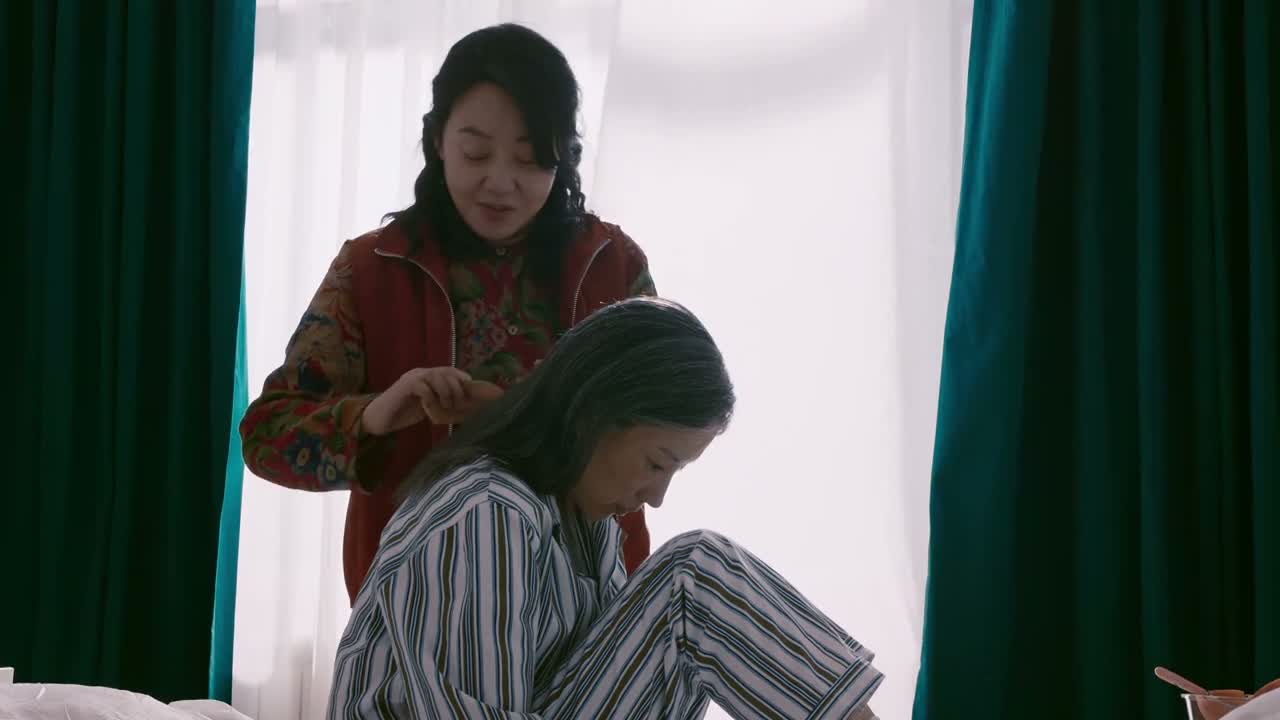 00:02
📌 没有
→Nuance: 同向近义词根配对: [时间 ↔ 时候]
📌 别
→Nuance: 同向近义词根配对: [时间 ↔ 时候]
📌 那个
→Nuance: 同向近义词根配对: [时间 ↔ 时候]
📌 好些
→Nuance: 同向近义词根配对: [时间 ↔ 日子]
📌 别说
→Nuance: 同向近义词根配对: [时间 ↔ 时候]
📌 好些日子
→Nuance: 同向近义词根配对: [时间 ↔ 日子]
📌 归队
→Nuance: 同向近义词根配对: [时间 ↔ 时候]
📌 有
→Nuance: 同向近义词根配对: [时间 ↔ 时候]
📌 不在
→Nuance: 同向近义词根配对: [时间 ↔ 时候]
📌 不
→Nuance: 同向近义词根配对: [时间 ↔ 时候]